Safeguard American Voter Eligibility Act 2026 Advances
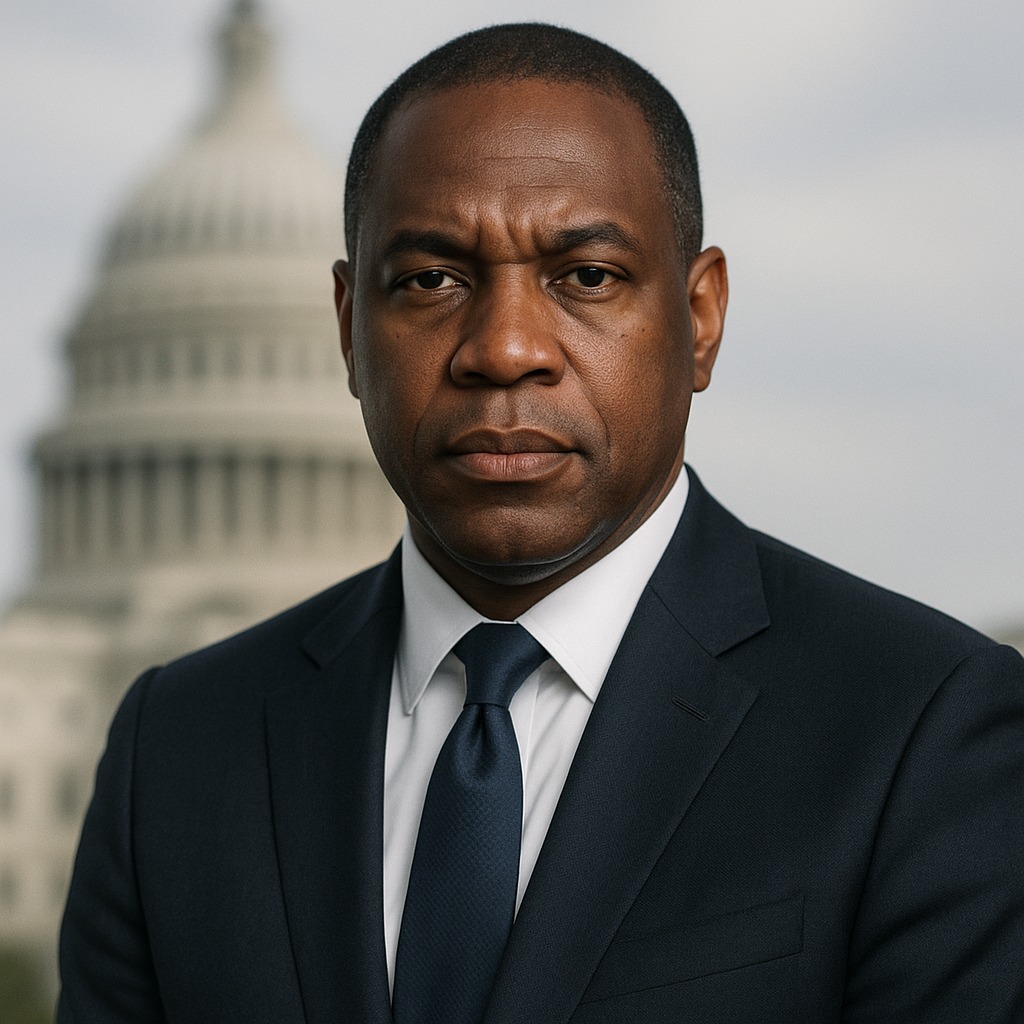
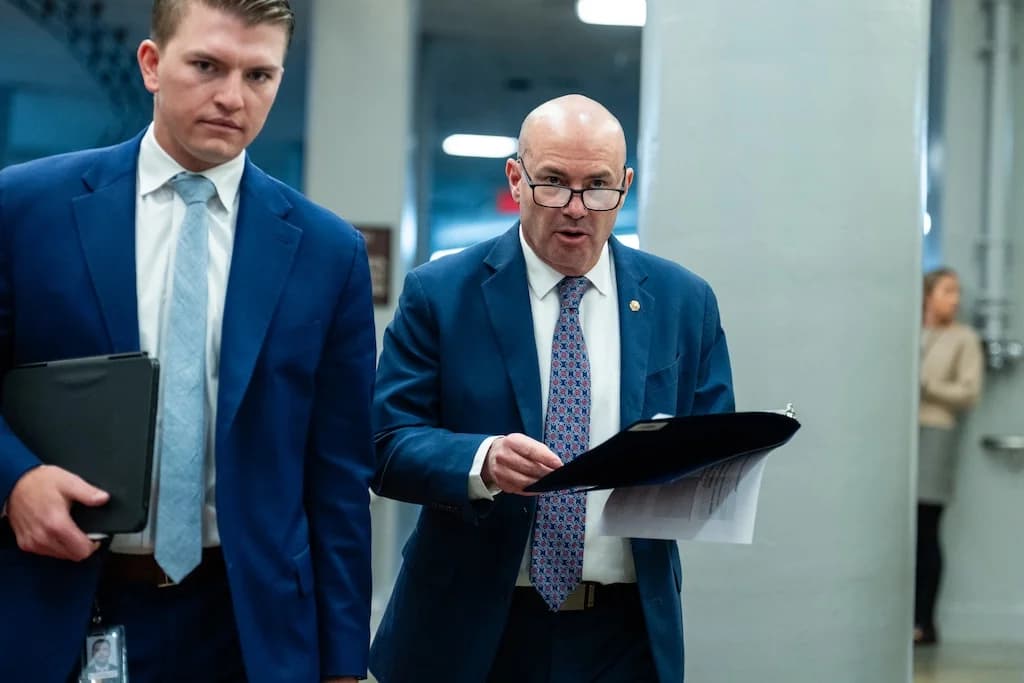
The district’s editors at the District of Columbia Times are reporting on a pivotal moment in federal election policy as of February 2026. The House of Representatives’ action surrounding the Safeguard American Voter Eligibility Act 2026 marks a high-profile attempt to recalibrate how citizenship verification intersects with voting access. On February 11, 2026, the chamber approved the measure in a tightly split vote, signaling a major political and practical crosswinds between election integrity objectives and the realities of document accessibility for millions of eligible voters. The vote tally—218 to 213—featured strong party-line dynamics and a handful of bipartisan defections, underscoring a national debate that remains deeply contested in the Senate and across state governments. The news matters not only for how federal elections may be conducted but also for how states adapt their voter-registration infrastructure, identity verification processes, and data-sharing practices with federal agencies. The Safeguard American Voter Eligibility Act 2026 sits at the center of a broader conversation about what it means to “prove citizenship” in order to participate in federal elections, how that proof will be verified, and what the implications are for voter participation in a landscape already shaped by technology and evolving privacy norms. (apnews.com)
Amid the immediate policy shift, the bill’s core premise remains a focal point of national scrutiny: should documentary proof of United States citizenship be required to register to vote in federal elections, and should a nationwide photo-ID standard accompany casting a ballot? The Safeguard American Voter Eligibility Act 2026 would, in its current form under House-approved language, require documentary proof of U.S. citizenship for registration and establish a framework for citizenship verification that may include alternative pathways for those who lack traditional documents. It also contemplates enhanced data-sharing of voter rolls with federal authorities, a provision that has generated intense debates about privacy, civil rights, and the mechanics of election administration. Public-facing analyses and advocacy groups have highlighted the tension between preventing noncitizen voting and maintaining broad access for eligible voters, especially those who face real barriers to obtaining proof of citizenship. This tension has driven a substantial policy conversation across party lines and within Electoral Security discussions. The public conversation has been anchored by civil-society research showing that a meaningful share of eligible voters lack easily accessible citizenship documents, a reality that could influence both policy outcomes and voter behavior in 2026 and beyond. (brennancenter.org)
Section 1: What Happened
Legislative Milestones
-
Introduction and early positioning: The Safeguard American Voter Eligibility Act (SAVE Act) gained a national profile in 2025 when Senators introduced versions of the measure aimed at tightening documentary proof of citizenship for federal voter registration and adding new verification mechanisms. Press material from lawmakers detailing these efforts highlighted bipartisan concerns about election integrity while also foreshadowing the policy’s potential access implications. Notably, commentary and press materials from late January 2025 described the core concepts that would eventually inform the House and Senate discussions. (kennedy.senate.gov)
-
House action and the February 2026 vote: By February 11, 2026, the House of Representatives passed the Safeguard American Voter Eligibility Act 2026 in a close vote of 218-213. The bill’s supporters framed the action as a response to perceived gaps in citizenship verification in federal elections, while critics warned that the policy could disproportionately affect voters who lack easy access to required documents. The voting record, including one Democrat (Henry Cuellar of Texas) voting with Republicans, underscored the intense partisan dynamics surrounding the measure. The House-passed language also advanced provisions to share voter roll data with the Department of Homeland Security, a feature that would become central to privacy debates in the months ahead. (apnews.com)
-
Senate status and next steps: As of mid-February 2026, the legislative path moved to the Senate, with House amendments to the Senate bill under consideration. The Congressional record shows that the bill (S. 1383 in the 119th Congress) has progressed through committee discussions and amendments, and it has attracted attention from both sides of the aisle about how to balance integrity with access. The Senate’s handling of the measure—whether through floor votes, revised language, or potential compromise legislation—will shape the ultimate fate of the Safeguard American Voter Eligibility Act 2026. The U.S. Congress’ official text and actions provide the definitive timeline for what happens next. (congress.gov)
Key Provisions
-
Documentary proof of citizenship: Central to the Safeguard American Voter Eligibility Act 2026 is a requirement that individuals provide documentary proof of United States citizenship when registering to vote in federal elections. Acceptable forms cited in the bill’s framework include a U.S. passport, birth certificate, naturalization certificate, and other government-issued documents that clearly indicate citizenship status. The text of the legislation, as filed and amended in the early 2026 window, outlines the standard for documentary proof and the process by which states must implement it. This provision represents a major shift from an attestation-based approach to a formal documentary standard. (congress.gov)
-
Alternative pathways for those lacking documentation: Recognizing that not all eligible citizens possess immediate documentary proof, the act contemplates an alternative pathway—an attestation-based process—where a state or local official would determine citizenship status in cases where documentary evidence is unavailable. The precise structure of such an alternative pathway—how admissible attestations would be evaluated, what corroborating information would be required, and how disputes would be resolved—varies across drafts and remains a critical area of negotiation in the Senate. This design feature has been a focal point of discussion among policymakers and voting-rights scholars who warn about potential disparities in access. (congress.gov)
-
Data-sharing and privacy considerations: The Safeguard American Voter Eligibility Act 2026 would impose new expectations for states to share certain voter-roll data with federal authorities, including access to non-redacted rolls in pursuit of citizenship verification. Critics have raised concerns about privacy protections, civil rights implications, and the risk that sensitive information could be misused or exposed in ways that affect voters’ lives beyond the ballot box. Proponents counter that enhanced data sharing is a practical enforcement mechanism to prevent noncitizen voting and bolster election security. The policy debate on data sharing is well-documented in public coverage and official statements from both supporters and opponents. (apnews.com)
-
Legislative status and cross-chamber dynamics: The bill’s trajectory through Congress illustrates a persistent tension between Republican emphasis on tightening citizenship verification and Democratic concerns about access and potential discrimination. Public statements from lawmakers and press accounts in early 2026 outline the likelihood of Senate negotiations, potential amendments, and the possibility of legal challenges, given the constitutional and administrative questions raised by such changes to federal election law. Congressional records and major-news coverage provide the basis for understanding the evolving status of the Safeguard American Voter Eligibility Act 2026 in the Senate and the likelihood of a final outcome this year. (congress.gov)
Timeline Context and Background
- Historical framing: The concept of documentary proof of citizenship for voting has a longer arc in U.S. policy debates. The original SAVE Act discussions in 2024–2025 framed the issue as a federal effort to codify proof-of-citizenship requirements at the registration stage, with varied proposals for accommodating voters who lack such documents. Public reporting and official statements in 2025 documented the initial push and the political divides surrounding the issue. As the 2026 process unfolds, observers note that a Senate passage or veto could hinge on how the data-sharing provisions and attestations are designed, as well as how litigation risk is managed. (congress.gov)
Closing the section on what happened, the Safeguard American Voter Eligibility Act 2026 remains a focal point of national discourse around how technology, policy design, and privacy concerns intersect with the practical realities of citizenship documentation and voting access. As the Senate weighs amendments and potential compromises, the bill’s fate will likely depend on whether lawmakers can reconcile the core aims of election integrity with the imperative to maintain broad and equitable participation in federal elections. Public commentary and expert analysis, including coverage from major outlets and nonpartisan research organizations, continue to feed into the legislative debate. (apnews.com)
Section 2: Why It Matters
Impact on Voter Access and Equity
-
Baseline data on citizenship-document availability: National research conducted by the Brennan Center for Justice, VoteRiders, and the Center for Democracy and Civic Engagement at the University of Maryland found that approximately 21.3 million American citizens of voting age lack readily accessible documentary proof of citizenship, with about 3.8 million lacking any such documents at all. These figures illustrate a substantial portion of the eligible electorate who could be affected by a mandate to show documentary proof of citizenship for registration. The data also reveal racial disparities in access to citizenship documents, underscoring equity concerns central to policy discussions about the Safeguard American Voter Eligibility Act 2026. The Brennan Center’s findings are widely cited by researchers and policymakers analyzing the potential impact of proof-of-citizenship requirements. (brennancenter.org)
-
Public commentary and expert perspectives: Analysts and election-law scholars emphasize that document-access barriers can translate into real-world participation gaps, particularly for low-income communities and communities of color. PBS NewsHour and The Washington Post have highlighted the practical hurdles—costs, travel to offices, and time—associated with obtaining or renewing citizenship documents. These points are often framed as critical considerations in evaluating the net effect of the Safeguard American Voter Eligibility Act 2026 on turnout and representation. The national conversations around these issues have emphasized the need to weigh security benefits against potential exclusionary consequences. (pbs.org)
“Millions of eligible voters could face barriers to registration,” and such barriers may be disproportionately borne by communities already underrepresented in the political process. This is a central concern expressed by advocates in the civil-rights and voting-rights communities, as reflected in independent research and news reporting. (brennancenter.org)
- Policy balancing act: The Safeguard American Voter Eligibility Act 2026 sits at the intersection of two objectives that are often in tension in American democracy: strengthening the integrity of elections and ensuring broad, equitable access to the franchise. The literature and reporting around this policy area consistently stress the need for robust guardrails to prevent discriminatory effects and to protect the practical ability of eligible citizens to participate in federal elections. This balance will shape the political viability of the act as it proceeds through the Senate and, potentially, a conference committee if bicameral negotiations proceed. (congress.gov)
Implications for Election Technology and Data Security
-
VVSG 2.0 and the tech standardization arc: The move toward stronger identity verification at registration dovetails with ongoing modernization in voting equipment standards. The U.S. Election Assistance Commission (EAC) has been actively advancing VVSG 2.0 (Voluntary Voting System Guidelines) to address security, accessibility, and interoperability in next-generation voting systems. EAC announcements confirmed the first VVSG 2.0-certified system in 2025 and detailed migration guidance for jurisdictions transitioning to the new standard. This evolving standards landscape will influence how election offices procure and deploy technology in the wake of federal policy changes. (eac.gov)
-
Certification and market dynamics: The VVSG migration and ongoing certification framework underscore a broader market trend toward standardized, auditable, and interoperable voting systems. Market analyses and government sources indicate that certification cycles and migration to VVSG 2.0 affect vendors, jurisdictions, and procurement timelines. As states adapt to both the new verification requirements in legislation and the VVSG 2.0 standards, election-technology vendors must align product roadmaps with evolving regulatory and security expectations. (eac.gov)
-
Public-private and vendor considerations: The policy discussion around documentary proof of citizenship also touches on how election administration technology interfaces with identity verification services, voter registration platforms, and data-sharing workflows. In practice, states contemplating the Safeguard American Voter Eligibility Act 2026 would need to align identity-verification workflows with privacy protections, accessibility considerations, and budget realities. Independent reviews and industry reports discuss how this alignment might shape the next wave of election-technology investments, upgrades, and vendor partnerships. (washingtonpost.com)
Policy Context and Public Debate
-
Political and civic discourse: Coverage from AP News and The Guardian highlights the polarized environment surrounding the Safeguard American Voter Eligibility Act 2026, including arguments about preventing noncitizen voting, the potential disenfranchisement of eligible voters, and concerns about federal overreach into state election administration. The public debate often emphasizes the broader context of election integrity versus access, with analysts noting that court challenges are likely given constitutional and administrative questions raised by the measure. (apnews.com)
-
Civil-rights and equity perspectives: Civil-rights organizations and voting-rights scholars have repeatedly drawn attention to the real-world implications of citizenship-verification requirements. The Brennan Center's research demonstrates the practical barriers that many eligible citizens would face when required to show documentary proof of citizenship, a dynamic that informs ongoing policy debates and litigation risk assessments. The Washington Post’s coverage has similarly explored the complexities of citizenship-document accessibility and the potential impact on participation among various demographic groups. (brennancenter.org)
Section 3: What’s Next
Timeline, Next Steps, and Watch Points
-
Senate deliberations and potential amendments: With the House having advanced the Safeguard American Voter Eligibility Act 2026, the Senate’s path will be critical. Observers should watch for committee actions, floor debates, and potential language changes addressing concerns about access, equality, and privacy. The legislative record indicates that the Senate will consider the House amendment to the Senate bill, and this phase will likely define the bill’s final shape or signal another round of negotiations. (congress.gov)
-
Legal challenges and court risk: Given the constitutional and civil-rights dimensions of documentary proof of citizenship and data-sharing requirements, the act is likely to face legal challenges if enacted. Legal scholars, as cited in mainstream reporting, anticipate that lawsuits could address framings of equal protection, voting rights, and administrative feasibility. Public commentary and expert analysis from PBS NewsHour and The Washington Post have framed potential litigation as a near-certainty should the act become law. Court outcomes could reshape the policy’s implementation regardless of legislative action. (pbs.org)
-
Implementation considerations for states and counties: If enacted, the Safeguard American Voter Eligibility Act 2026 would necessitate substantial state-level administrative changes, including updating registration portals, adjusting voter-roll maintenance processes, and potentially coordinating with federal agencies for citizenship verification. The EAC’s VVSG migration and related certification timelines provide a structure for how jurisdictions might plan technology upgrades and training during a transition period. State and local election offices would need to calibrate staffing, document-handling procedures, and outreach strategies to communicate changes to voters. (eac.gov)
-
What to watch for in market and tech trends: In the broader technology and market context, analysts expect continued growth in voting equipment and related services as jurisdictions upgrade systems to meet VVSG 2.0 standards and respond to policy shifts like the Safeguard American Voter Eligibility Act 2026. Market projections, while varied, indicate ongoing demand for certified voting systems, secure identity verification, and interoperable data formats. Readers should monitor procurement announcements, state budgeting for elections, and the pace of VVSG 2.0 migration as signal indicators of how quickly technology will adapt to the policy environment. (360iresearch.com)
-
Public communication and transparency: As with any major policy change affecting elections, transparent communication about what the Safeguard American Voter Eligibility Act 2026 requires, how it would be implemented, and how it would affect voters—especially those who may be impacted by document-access issues—will be essential. Newsrooms, public-interest groups, and government agencies will likely publish explainer pieces, impact analyses, and frequently asked questions to help the public understand both the policy and its practical implications. The availability of such materials is a key factor in maintaining trust and participation during a policy transition. (washingtonpost.com)
Closing: What this Means for DC Times Readers
The Safeguard American Voter Eligibility Act 2026 represents a defining moment in the nexus of election policy, technology, and citizen access. For readers who follow technology and market trends, the policy’s progression illuminates how regulatory decisions shape the development and deployment of identity-verification solutions, voter-registration platforms, and data-sharing practices, all within a framework of civil-rights protections and privacy concerns. Our ongoing coverage will emphasize verifiable facts, timeline updates, and data-driven context to help readers understand not only what the law would require, but how implementation could unfold across jurisdictions and the markets that serve them. As the Senate continues its deliberations, DC Times will track language changes, potential legal challenges, and the technology-adoption trajectory that accompanies the Safeguard American Voter Eligibility Act 2026. For now, observers should stay tuned to official congressional updates, credible reporting on privacy and civil rights implications, and market analyses that reveal how voting-technology vendors and election offices respond to the evolving policy landscape. (congress.gov)
If you’d like ongoing updates, we’ll publish schedule-friendly briefs as new legislative steps occur, including summaries of Senate votes, potential amendments, and the results of any court challenges. You can also follow the District of Columbia Times’ election policy desk for data-driven context on how the Safeguard American Voter Eligibility Act 2026 intersects with technology trends, market movements, and the broader health of U.S. democracy in 2026.