Potomac sewage spill federal response: DC actions

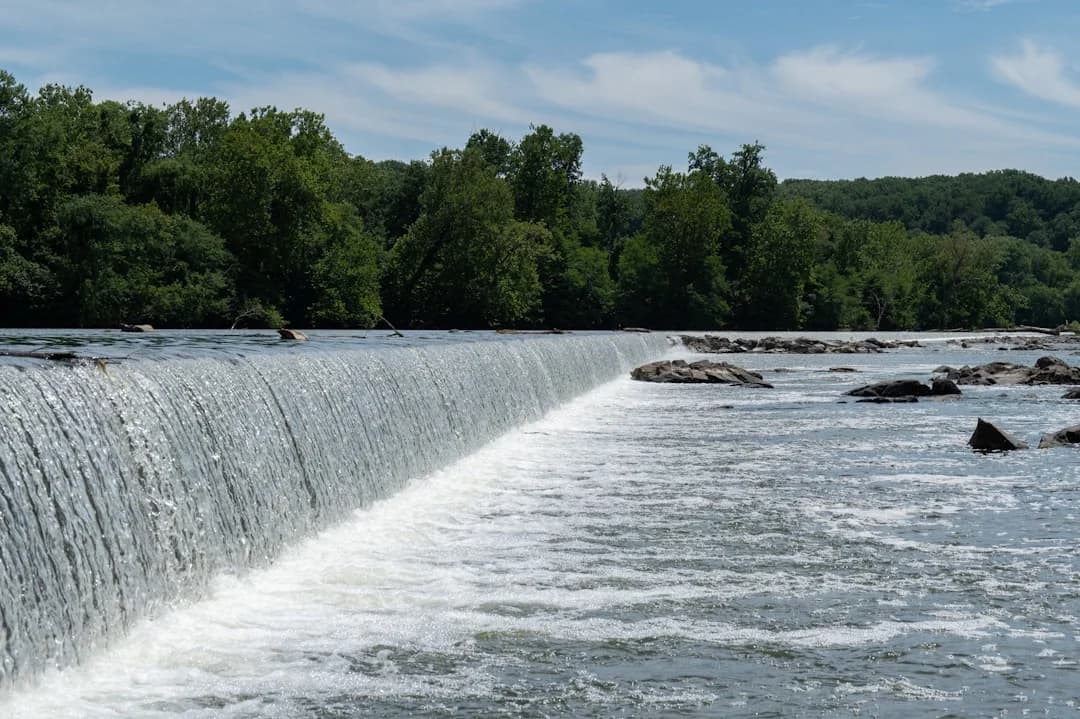
Photo by Mark Stenglein on Unsplash
The Potomac sewage spill federal response continues to unfold as officials reconcile urgent public health protections with long-term infrastructure needs. On January 19, 2026, a major failure in a critical sewer line north of Washington, D.C. triggered a substantial release of untreated wastewater into the Potomac River. Since then, federal coordination, emergency declarations, and rapid deployment of specialized response equipment have shaped the trajectory of the crisis. For District residents and regional stakeholders, the stakes are high: every day of containment, bypass construction, and remediation translates into risk reduction for water quality, ecosystem health, and regional economies that rely on reliable water infrastructure. As the federal government assumes a lead role, the Potomac situation also offers a window into how technology, data-driven monitoring, and market responses interact during a large-scale utility disruption. This coverage synthesizes official briefings, independent analyses, and frontline reporting to provide readers with a clear, data-backed view of where the Potomac sewage spill federal response stands and what comes next. The key numbers remain central to the story: roughly 243 million gallons of wastewater overflowed from the Potomac Interceptor, a 72-inch pipeline operated by DC Water, with the most intense discharges occurring in the first five days of the event, and ongoing bypass measures and repairs continuing through February 2026. The situation also prompted legal and policy questions about federal assistance, local funding, and the pace of aging-infrastructure investments across the region. (dcwater.com)
What happened in the Potomac ecosystem is not only a local utility incident; it also marks a consequential moment for how the federal government, state authorities, and municipal operators coordinate during infrastructure crises. The Potomac Interceptor, a major sanitary sewer line that funnels wastewater to DC Water’s Blue Plains facility, collapsed on January 19, 2026, near Clara Barton Parkway and the Chesapeake & Ohio Canal National Historical Park. The failure unleashed hundreds of millions of gallons of untreated sewage downstream, prompting immediate public health advisories, temporary fishing and shellfish restrictions, and a comprehensive response framework shared among DC Water, Maryland Department of the Environment, regional health agencies, and federal partners. The United States Environmental Protection Agency (EPA) quickly assumed a federal leadership role in coordination, with White House and federal agency communications clarifying that the EPA would oversee cross-agency response efforts to safeguard the Potomac River and the surrounding water supply. The numbers have varied slightly across official updates, but the scale is consistently described as “hundreds of millions of gallons” of wastewater released cumulatively, with the majority of discharge concentrated in the first days after the collapse. For readers tracking the story, the evolving tally—243 million gallons by early February, with some estimates reaching 300 million in total—is a critical anchor for both environmental risk assessment and funding decisions. (dcwater.com)
Section 1: What Happened
Timeline of the Potomac Interceptor collapse and immediate responses
January 19, 2026: the collapse and initial impact
On January 19, 2026, a substantial segment of the Potomac Interceptor, a 72-inch diameter sewer line that transports wastewater to DC Water’s treatment system, failed. The breach triggered a major sanitary sewer overflow (SSO) event that pushed untreated wastewater into the Potomac River and into adjacent areas, including the C&O Canal National Historical Park. The event, described as one of the region’s largest wastewater releases in recent memory, immediately prompted boil-water and recreation advisories for parts of Maryland and Virginia while confirming that drinking-water intakes upstream remained unimpacted. The scale of the incident underscored the interdependence of Delaware–Maryland–Virginia water systems and the need for rapid, cross-jurisdictional action. DC Water officials and environmental regulators began daily monitoring and began implementing emergency containment measures. (dcwater.com)
January 25, 2026: bypass system activation and containment
Within days of the collapse, DC Water activated a controlled bypass system designed to re-route wastewater around the damaged section of the Potomac Interceptor. The bypass relies on a segment of the nearby C&O Canal to channel wastewater away from the breach and back into an intact portion of the interceptor for treatment. This critical step reduced the volume of wastewater escaping into the river and helped limit further environmental contamination while repairs proceeded. The shift to bypass pumping is widely cited in official updates and underscores the role of engineering improvisation in emergency utility responses. No drinking-water supply disruptions were reported, though downstream environmental monitoring intensified to assess bacterial indicators and other water-quality metrics. (epa.gov)
February 1–February 11, 2026: ongoing containment, cleaning, and updates
As February began, DC Water and its contractor detailed ongoing cleaning and repair activities, including excavation work, site preparation, and the expansion of bypass capacity to handle snowmelt-driven flows. Reports from February 1 through February 11 described near-continuous containment efforts, successive updates on pump performance, and occasional limited overflows that were quickly recaptured or redirected. Agencies also highlighted ongoing water-quality sampling downstream of the site, with testing results generally remaining within regulatory standards at critical downstream points. The company’s communications emphasized that the bypass system continued to limit overflows and that daily testing remained a cornerstone of the monitoring effort. (dcwater.com)
February 11, 2026: leadership update from DC Water
DC Water published an open letter from its CEO, David L. Gadis, addressing neighbors and partners about the Potomac Interceptor collapse and the ongoing response. The letter signaled a sustained, transparency-forward approach, outlining the goals of containment, safe bypass operations, and the timeline for more extensive repairs. While the letter focused on community communication, the accompanying material in DC Water’s updates reinforced the technical progress and risk management strategies under way. The message underscored a commitment to protecting the Potomac River while ensuring continued service reliability for customers downstream. (dcwater.com)
February 18–February 21, 2026: federal engagement and emergency declarations
As concerns about environmental and public health risks persisted, Washington, D.C., officials publicly pressed for stronger federal coordination and funding, arguing that the scale of the recovery would require substantial financial support. Mayor Muriel Bowser declared the Potomac spill a public emergency and sought federal aid, including a presidential disaster declaration and reimbursement for cleanup costs. The administration’s response framed the Potomac situation as a federal priority, with interagency collaboration expanding to include FEMA, EPA, Army Corps of Engineers, and other federal entities. By February 21, 2026, credible reports indicated that President Trump approved a federal emergency declaration to coordinate and resource the cleanup and recovery effort. The federal lead on the response was clarified to be the EPA, which would coordinate cross-agency actions to protect regional water quality and public health. This development marked a turning point in the crisis, shifting some authority and funding decisions to a national level while maintaining local leadership at DC Water and state environmental agencies. (washingtonpost.com)
February 6–February 7, 2026: quantified spill and river impact
Critical data released around early February quantified the spill at roughly 243 million gallons, with analyses indicating that the largest portion of the overflow occurred in the first five days. The majority of the recorded volume—about 194 million gallons—occurred before the bypass system reduced overflow. These data points provided the foundation for both environmental impact assessments and the budgeting of recovery work. While the river’s overall volume dwarfed by comparison, the concentration of bacteria and other contaminants near the breach area remained a focus for public health agencies and local governments. The information also fed discussions about the pace and scale of long-term repairs versus emergency mitigation efforts. (dcwater.com)
Section 2: Why It Matters
Public health, environmental protection, and regional resilience
Public health protections and water quality monitoring
Officials have stressed that the region’s drinking water remains safe, with downstream river segments still under surveillance for bacterial indicators such as E. coli. The bypass system helps prevent untreated sewage from reaching the river while water-treatment facilities continue to operate with normal intake practices. Nevertheless, the immediate area around the spill remains restricted for recreational use, and health advisories persist in affected counties. The ongoing sampling program, including testing at multiple river points downstream, provides data to guide public messaging and emergency decisions. The federal leadership response emphasizes the need for robust monitoring data, interoperable dashboards, and real-time decision-support tools to calibrate containment and remediation actions. These data-centric approaches reflect a broader trend in critical-infrastructure crises, where real-time sensors, automated reporting, and cross-agency data sharing help reduce risk and accelerate decision-making. (washingtonpost.com)
Infrastructure aging, resilience, and technology deployment
The Potomac Interceptor collapse has spotlighted aging sewer infrastructure that supports a dense, high-demand urban region. The event has driven renewed attention to the ongoing maintenance and replacement cycles for large-diameter pipelines, as well as investments in parallel or redundant conveyance routes, enhanced bypass capabilities, and advanced monitoring networks. Tech-centered response features in DC Water’s updates include high-capacity pumps, pit excavations, and the use of bypass channels that rely on existing canal infrastructure. These elements illustrate a real-world application of resilience engineering—adapting operations to keep essential services online even when primary assets fail. Federal leadership of the response has also opened potential policy and funding channels for longer-term improvements, including environmental monitoring technologies and accelerated capital projects in the region. (dcwater.com)
Economic and regional policy implications
Beyond public health and environmental stewardship, the Potomac spill intersects with broader policy debates about infrastructure funding, disaster response finance, and regional planning. Local officials have argued that the scale of needed repairs and environmental remediation requires sustained federal involvement, including cost-sharing mechanisms, reimbursement for emergency response expenses, and potential federal grants or loan programs dedicated to critical infrastructure upgrades. The federal response framework—led by the EPA and coordinated with FEMA and other agencies—illustrates how the government can mobilize specialized capabilities, from environmental testing to interagency coordination, in a way that supports state and local authorities while preserving market confidence in essential services. These dynamics may also influence private-sector engagement, including the timing of private-capital participation in infrastructure upgrades, the market for advanced monitoring technologies, and the role of public-private partnerships in accelerating resilience projects. (epa.gov)
Section 3: What’s Next
Repair trajectory, governance, and the longer-term outlook
Short-term repair timeline and operational milestones
Early February updates from DC Water indicate that the bypass system remains the centerpiece of containment while teams undertake cleaning and repair tasks on the damaged pipe segment. Industry observers expect the bypass to facilitate the beginning of targeted repairs on the breached section, with estimates suggesting a 4–6 week window for substantial progress after bypass optimization, followed by longer-term reconstruction of the breached segment. While exact dates vary across briefs, the consensus from utilities and regulators is that the region should see continued progress through March 2026, with a potential return to full normal operations contingent on successful rehabilitation of the 72-inch conduit and completion of associated canal work. The evolving timeline reflects the combination of emergency work, supply-chain constraints, weather conditions, and the complexity of the site. (washingtonpost.com)
Federal involvement: funding, oversight, and policy direction
The Potomac spill has accelerated a shift in the governance of the response, with the EPA designated as the federal lead agency, supported by White House coordination and FEMA involvement for resource deployment. Officials have underscored that the federal role is to provide executive-level coordination, ensure compliance with environmental safeguards, and facilitate cross-agency information sharing to streamline decision-making. The emergency declaration process, ongoing federal support for monitoring and remediation, and potential reimbursement to DC Water for eligible costs are central to the post-crisis financing picture. For readers and stakeholders, this phase will likely involve budgetary assessments, potential supplemental appropriations, and a review of programmatic funding opportunities aimed at restoring resilience to the Potomac River and the surrounding watershed. Expect continued hearings, briefings, and technical reports that quantify the spill’s environmental footprint and track remediation progress. (epa.gov)
Monitoring, governance, and community engagement
As federal leadership solidifies, community engagement remains essential. Stakeholders in Montgomery County, Prince George’s County, and surrounding jurisdictions will rely on transparent reporting, regular updates from DC Water and environmental agencies, and clear guidance on any changes to public health advisories or restrictions. The Potomac spill’s management thus sits at the intersection of public communication, environmental science, and infrastructure policy—an area where technology-enabled monitoring (including real-time water-quality sensors and dashboards) and disciplined governance practices can help translate data into actionable steps for residents, anglers, marinas, and commercial users along the river. The credibility of the response will rest on timely, accurate data releases and consistent messaging across local, state, and federal channels. (washingtonpost.com)
What this means for technology and market trends
- Real-time data and dashboards: The spill has reinforced the value of real-time water-quality monitoring and centralized dashboards that compile measurements from upstream and downstream sites, enabling rapid risk assessments and targeted advisories. Federal leadership supports a framework in which data integration across agencies facilitates timely decisions. This trend benefits vendors and service providers offering sensor networks, data analytics, and interoperable reporting tools. (epa.gov)
- Enhanced bypass and pump systems: The crisis highlighted the importance of scalable bypass infrastructure and high-capacity pumping solutions to control overspill during emergencies. Market players in the wastewater equipment sector may see increased demand for modular bypass configurations, rugged pumps, and rapid-deployment containment technologies. (epa.gov)
- Infrastructure modernization funding: The Potomac spill underscores the broader need for modernization of aging urban water and sewer systems. Federal attention to infrastructure resilience—via emergency declarations, disaster-relief programs, and potential grants—could accelerate market activity in capital-intensive upgrades such as pipeline rehabilitation, parallel conveyance, and green infrastructure integrated with traditional gray systems. (epa.gov)
- Environmental monitoring and remediation services: The spill has created a demand signal for environmental assessment, shellfish protection measures, and river restoration activities. State environmental agencies and federal partners will likely contract or partner with firms specializing in water quality testing, sediment remediation, and ecosystem monitoring as the long-term recovery progresses. (mde.maryland.gov)
Closing: Staying informed and safe
As the Potomac sewage spill federal response continues to unfold, DC residents and regional stakeholders should monitor formal updates from DC Water, the U.S. Environmental Protection Agency, and the Federal Emergency Management Agency. Drinking water remains safe for the region, but recreational advisories and shellfish restrictions remain in effect in places. Fans of the Potomac and surrounding communities should expect further technical briefings, new data releases, and policy discussions about infrastructure funding and resilience strategies. For ongoing coverage, turn to DC Water’s Potomac Interceptor updates, Maryland Department of the Environment advisories, and EPA briefings that outline the federal lead role and coordination plan. The convergence of crisis management, technology deployment, and federal policy in this event offers a useful case study for other metropolitan regions facing aging infrastructure and the need for accelerated, data-informed responses. Readers should stay tuned to official channels for the latest numbers on overflow totals, bypass performance, and the anticipated timeline for full restoration. (dcwater.com)
For ongoing updates, readers can follow:
- DC Water’s Potomac Interceptor updates and findings on overflow extent and river impact. (dcwater.com)
- U.S. EPA press releases detailing the federal leadership role and interagency coordination. (epa.gov)
- Major local outlets’ daily coverage of the evolving situation and the federal response, including the Washington Post’s ongoing reporting on timing, testing, and policy implications. (washingtonpost.com)