Potomac River sewage spill 2026 DC: DC Water Update

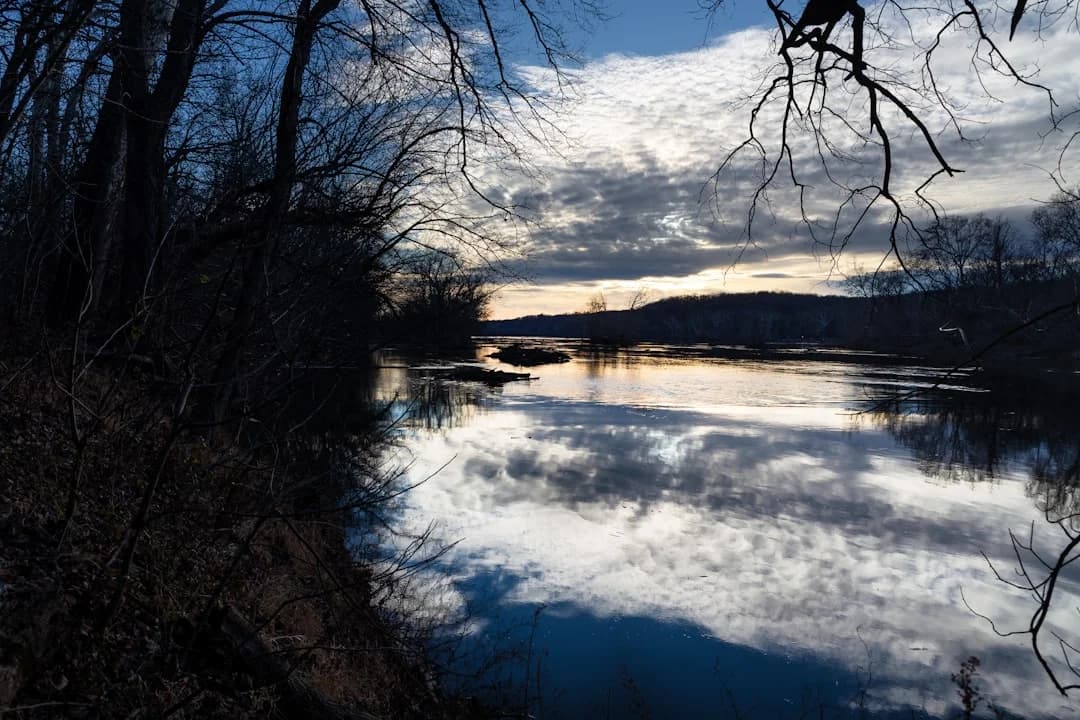
Photo by Alex Reynolds on Unsplash
The Potomac River sewage spill 2026 DC has emerged as a defining infrastructure and public health incident for the Washington, D.C. metropolitan region. On January 19, 2026, a major failure in the Potomac Interceptor, a 72-inch sewer line that moves wastewater from several counties to DC Water’s Blue Plains facility, ruptured near the Clara Barton Parkway just north of Washington. The result was a massive overflow of untreated sewage into the Potomac River, an event that officials described as among the largest in U.S. history. As the District, state, and federal partners mobilized, the scale of the spill—estimated at roughly 243 million to 300 million gallons of wastewater—drew scrutiny from residents, environmental groups, and policymakers who are weighing the implications for public health, recreation, and long-term water infrastructure investment. This article provides a data-driven, neutral assessment of what happened, why it matters, and what to expect next as cleanup and planning efforts continue. The Potomac River sewage spill 2026 DC underscores the need for resilient urban water systems and transparent communication with communities relying on those systems. (mde.maryland.gov)
In the days that followed the initial rupture, local, state, and federal agencies coordinated to contain and divert flow away from the river while repair work began. A controlled bypass system was activated to route wastewater around the damaged segment of the Potomac Interceptor, reducing the risk of further overflows while crews worked to clear debris and restore service. By late January, progress was evident, but officials cautioned that the work would be lengthy and technically complex given the size of the pipe and the volume of material involved. Across jurisdictions, the incident spurred a broad set of monitoring, testing, and communication efforts designed to protect drinking water supplies downstream and to inform recreational users about water quality. The episode also prompted discussions about funding for aging sewer infrastructure and the role of federal support in major urban cleanups. The actions taken in February and into March reflect a deliberate, data-driven approach to balancing rapid response with long-term planning. (dcwater.com)
Section 1: What Happened
The Incident
On January 19, 2026, a section of the Potomac Interceptor, a critical 72-inch diameter sewer line that transports wastewater from northern Virginia and parts of Maryland to DC Water’s Blue Plains facility, experienced a catastrophic collapse along Clara Barton Parkway near the 495 interchange and the C&O Canal National Historical Park. The event unleashed a substantial overflow of untreated wastewater into the Potomac River. DC Water subsequently confirmed that the spill involved hundreds of millions of gallons, with early estimates placing the overflow in the range of 243 million gallons, and later updates indicating a broader range up to 300 million gallons. The scale of the release drew comparisons to the largest known sanitary sewer overflows in the United States, prompting widespread concern among residents and environmental stewards. The 60-year-old infrastructure had long been recognized as aging; the rupture underscored the fragility of a system designed to move large volumes of wastewater with limited redundancy in certain segments. Official updates and independent analyses have emphasized that the vast majority of the overflow occurred in the initial days and that ongoing bypass pumping helped limit further discharges as repairs progressed. The incident has also highlighted the pipeline’s role in a regional network that serves multiple counties and feeds the Blue Plains facility for treatment. (dcwater.com)
The Scale and Immediate Impacts
The immediate impact centered on the Potomac River itself, downstream water quality concerns, and the imperative to protect drinking water supplies while avoiding exposure in the river. The Potomac Interceptor, which typically carries up to about 60 million gallons of wastewater per day through the region, experienced an unprecedented release when the breach occurred. Early estimates pegged the peak discharge at about 40 million gallons per day during the initial overflow period, a figure that underscored the magnitude of the event relative to the river’s flow and to the region’s typical wastewater handling. As testing and monitoring continued, authorities found elevated bacteria indicators at the site of the spill; however, drinking water intakes that serve hundreds of thousands of residents remained upstream of the primary spill footprint and were reported as unaffected at that time. The spill’s footprint extended across Maryland and into the District, with shellfish advisories and recreational restrictions introduced as a precautionary measure in certain coastal and riverine zones. The nationwide attention the incident attracted reflected concerns about infrastructure resilience, public health risk, and the speed and clarity of official communications during environmental emergencies. (dcwater.com)
Response and Containment
Response efforts focused on containment, diversion, and containment again, as engineers worked to implement and optimize bypass pumping and the use of the C&O Canal as a controlled conduit to redirect wastewater away from the river and toward functioning portions of the interceptor for treatment. DC Water activated a bypass system in late January, enabling crews to reduce the potential for additional discharges and to facilitate cleaning operations within the damaged pipe segment. By January 31, updates indicated eight pumps were operating, providing redundancy and headroom to absorb fluctuations in flow, with ongoing excavation and cleaning work to clear debris and obstructions inside the collapsed section. By February, officials reported progress in cleaning the damaged pipe and reducing the risk of further overflows, though minor discharges persisted at times due to groundwater infiltration from snowmelt and pump clogging. Federal and state agencies, including the EPA and the Maryland Department of the Environment, joined ongoing regional coordination efforts, with the Army Corps of Engineers and other partners providing technical support and resources as needed. The status updates from DC Water throughout February and into March documented a steady, stepwise approach to containment and remediation, emphasizing safety and continual monitoring of river conditions. (dcwater.com)
A note on governance and official communications
The response integrated multiple levels of government and regulatory oversight. The U.S. Environmental Protection Agency designated the Potomac Interceptor collapse as an urgent event requiring federal coordination, while state authorities in Maryland conducted concurrent monitoring and public health communications. The Maryland Department of the Environment published daily or near-daily updates on spill extent, water quality sampling sites, and shellfish closures along the river. The federal response included emergency declarations and the mobilization of FEMA resources to support local and state efforts, with the President and White House signaling the importance of rapid, well-documented action. In parallel, DC Water issued regular press releases and updated its own public dashboards with measurements from water quality sampling sites across the region. The combination of utility-led field operations and federal, state, and local oversight provided a framework intended to minimize risk to residents and to support transparent information-sharing as the recovery advanced. (epa.gov)
Section 2: Why It Matters
Public Health and Recreation
From a public health perspective, the Potomac Interceptor collapse triggered immediate health advisories and recreational restrictions in portions of Maryland and the District. Although drinking water intakes for the region were reported as unaffected at the outset, the event generated elevated bacteria indicators in the river near the spill site, prompting temporary closures and advisories for fishing, swimming, and other direct contact activities. Environmental groups and riverkeepers emphasized the potential for ecological consequences, including impacts on aquatic life and the broader food web, particularly if high levels of nutrients and pathogens persisted during seasonal warming. Over the ensuing weeks, state and local health departments continued to Monitor bacterial indicators and adjust advisories as conditions evolved. The risk profile highlighted the need for robust source-water protection measures and more durable treatment pathways to accommodate extraordinary but plausible failure scenarios in old or stressed sewer networks. (washingtonpost.com)
Infrastructure and Policy Implications
The Potomac Interceptor incident amplified a long-running policy debate about the resilience of critical urban water infrastructure. The 72-inch diameter pipe, a vital link in a multi-jurisdictional network, had been under rehabilitation work since late 2025, underscoring the challenges of maintaining large-diameter sewers that serve densely populated regions. Analysts and infrastructure advocates argued that the event makes a compelling case for accelerated investments in sewer rehabilitation, redundancy, and modernized monitoring technologies. Cost estimates circulated in the weeks after the initial rupture, with early figures ranging in the tens of millions or more for remediation and repair, though updated analyses placed the potential total costs higher as plans for full rehabilitation emerged. The incident also raised questions about the balance between local utility funding and federal support, as emergency declarations unlocked federal resources and technical assistance to complement state and local efforts. For readers following market and policy trends, the spill provides a real-world data point for evaluating risk exposure, public-private partnerships, and the potential for targeted infrastructure programs as policymakers evaluate next-generation funding mechanisms. (washingtonpost.com)
Environmental and Economic Impacts
Beyond immediate health and safety concerns, the spill’s environmental footprint and economic implications became central topics for regional stewardship and business continuity. Shellfish closures and advisories across Maryland, broad monitoring of river conditions, and the need for ongoing environmental remediation highlighted the broader ecological costs of a major sanitary sewer overflow. Regional organizations tracked the spill’s impact on biodiversity, water quality, and recreational use, while local businesses dependent on Potomac access—boating, fishing guides, and waterfront hospitality—monitored licensing restrictions and customer demand as restrictions shifted over time. The federal and state responses, including rapid deployment of pumps and bypass infrastructure, signaled an integrated approach to containment that aimed to minimize long-term environmental damage, while also setting the stage for assessing the full economic impact of the incident on tourism, recreation, and local supply chains. (mde.maryland.gov)
Why this matters for readers of the District of Columbia Times
For readers seeking a data-driven view of technology and market trends, the Potomac Interceptor collapse illustrates how urban water systems, engineering practices, and regulatory frameworks interact under pressure. The incident exposed gaps between planned rehabilitation timelines and real-world performance in a live system that serves multiple jurisdictions. It also highlighted how public health data—bacteriological monitoring, river sampling sites, and drinking-water protection measures—must be integrated with engineering work to communicate risk and inform behavior. Moreover, the event underscores opportunities for the private and public sectors to collaborate on modernizing aging infrastructure through new designs, predictive maintenance, advanced materials, and enhanced information-sharing platforms that can deliver timely, accurate updates to the public. As policymakers consider financing options and as technology vendors market advanced monitoring and rapid-response solutions, the Potomac River sewage spill 2026 DC provides a compelling case study in resilience, transparency, and the responsible management of complex civic systems. (epa.gov)
Section 3: What’s Next
Timeline for Repairs and Monitoring
With the bypass system in place and ongoing pipeline cleaning efforts, the immediate priority has been to stabilize the damaged section and prevent further discharges while engineers conduct more extensive repairs. DC Water’s public updates in February documented incremental gains: the bypass pumps were operating with enough capacity to manage flow, excavation and cleaning were advancing, and officials reported days without overflows as a sign of progress. Despite these positive signs, experts warned that the work would extend over weeks or even months, given the pipe’s age, the presence of rocks and debris inside the damaged segment, and the complexities of safely flushing and reconfiguring a major sewer line near sensitive river ecosystems. By late February, federal partners were coordinating with state and local authorities on a broader recovery plan, including potential reimbursement for emergency response costs and long-term investments in upgrading the Potomac Interceptor and related infrastructure. The evolving timeline also reflected the shift from immediate containment to longer-term rehabilitation and monitoring, including environmental assessments and ongoing water-quality testing. (dcwater.com)
Next Steps and What to Watch For
-
Ongoing water-quality monitoring: Expect frequent testing at a network of sites along the Potomac to track bacteria levels, nutrient loads, and potential contaminants. Official dashboards and regular updates from DC Water and state agencies will remain a primary source of information for residents and recreational users. (dcwater.com)
-
Repair and rehabilitation timeline: The initial expectation that full rehabilitation could extend for months remains a central planning assumption. Updates from DC Water and federal partners will continue to refine timelines as excavation, rock removal, and pipe repairs proceed. Public agencies are expected to publish more detailed schedules as work progresses. (washingtonpost.com)
-
Public health and recreational guidance: As conditions change, advisories and advisories’ lifespans will be updated. Citizens should monitor official guidance from Maryland and District authorities regarding shellfish closures, water-contact advisories, and prevention measures when visiting riverfront areas. (mde.maryland.gov)
-
Financial and policy implications: Federal aid, potential disaster declarations, and long-term infrastructure programs will shape the funding landscape for sewer system upgrades in the region. Observers should watch for federal grant announcements, state matching funds, and local rate-payer implications as the recovery plan unfolds. (epa.gov)
-
Long-term environmental monitoring: The spill’s effects on aquatic life and river health will be part of ongoing ecological studies, with universities and environmental organizations likely to publish results on microbial dynamics, sediment impacts, and recovery trajectories. The Potomac Conservancy and other groups have emphasized ongoing engagement and data transparency as essential elements of the recovery process. (potomac.org)
What Readers Should Do Next
-
Stay informed through official channels: DC Water’s newsroom, Maryland Department of the Environment, and the U.S. EPA provide regular updates on the Potomac Interceptor, water quality, and cleanup progress. These sources should be the first stop for readers seeking the latest data and safety guidance. (dcwater.com)
-
Exercise river-caution during recreation: Even as restrictions lift, readers should heed posted advisories and practice safe river use. Local health departments may adjust guidance as testing data evolves, so timely checks of official announcements are wise. (mde.maryland.gov)
-
Consider broader infrastructure implications: The episode illustrates the importance of resilient water systems and timely maintenance. Readers invested in local policy or market trends may want to track proposed funding mechanisms, procurement opportunities for repairs, and potential public-private partnerships aimed at modernizing aging sewer networks. (epa.gov)
Closing
The Potomac River sewage spill 2026 DC represents more than a single event in a single year. It is a case study in how urban water systems cope with aging infrastructure, how agencies coordinate across jurisdictions in the face of environmental emergencies, and how the public health and economic dimensions of a major spill are managed in real time. As the region moves from immediate containment toward long-term rehabilitation, the data-driven approach—grounded in precise measurements of flow, bacteria levels, and recovery progress—will be essential to rebuilding trust and ensuring safer, more resilient water systems for the future. For readers who rely on the Potomac for recreation, drinking water, or scenic value, continued vigilance and transparent communication will be the hallmarks of the recovery period ahead. The District of Columbia Times will continue to report with rigor, presenting the latest findings, timelines, and policy developments as they unfold. (dcwater.com)