New DC restaurant openings March 2026: A data roundup

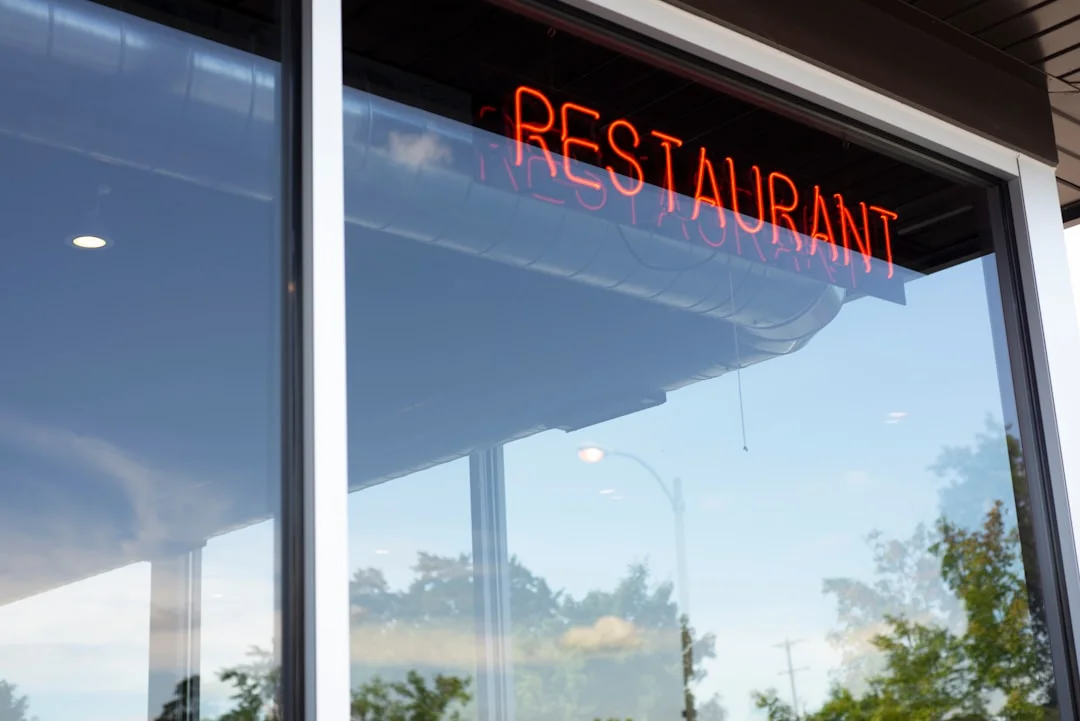
Photo by LaRon Rosser on Unsplash
The District of Columbia is again in the throes of a restaurant reopening surge as we move through March 2026, with several high-profile openings and rebrands signaling a cautious but persistent appetite for new concepts. This round-up highlights key openings around February and early March 2026 that are shaping the city’s dining landscape, including Katsumi in Logan Circle, Canton Disco in Navy Yard, and Maru San near Eastern Market. These launches come as District diners and workers alike continue to navigate a market that has endured dramatic shifts over the past two years, and as operators increasingly lean into differentiated concepts, tech-enabled service, and neighborhood revivals. Readers should expect continued activity through March and into spring, with additional openings and announcements likely to surface as the market absorbs the lessons of 2025. For context, local industry observers note that 2026 may bring slower, more measured growth after a difficult 2025, a trend that will influence how these new spots perform and how others plan their openings. (wtop.com)
In a broader sense, the March 2026 window is being watched through the lens of a tech-forward and data-informed dining scene. Early signals from DC-area openings show operator teams emphasizing reservation and ordering technology as a standard part of the experience. For example, the new concepts include digital reservations and online ordering integrations that help restaurants manage capacity and guest flow in real time, underscoring a trend toward more efficient operations in a market that has faced staffing and wage pressures. This kind of tech emphasis is consistent with what readers will find in coverage of new DC openings, where platforms and booking links are readily visible in official profiles and press materials. (dc.eater.com)
At the same time, local industry data and commentary from January 2026 project a challenging year ahead for DC eateries. A top DC restaurant association official warned that 2026 could be another hard year due to persistent headwinds from inflation, tariffs, and shifting federal workforce dynamics, all of which have dampened demand and constrained restaurant openings. The same source noted that openings slowed significantly in 2025 and that there may be fewer full-service restaurant openings in 2026 as operators recalibrate. These macro forces help explain why the March 2026 openings—while welcome—are part of a steadier, more cautious growth trajectory rather than a rapid expansion cycle. (wtop.com)
Section 1: What Happened
Katsumi: Logan Circle’s neon-forward Japanese concept opens to set a new tone Katsumi represents a major rebranding and strategic pivot for the space formerly home to Bar Japonais, on 1520 14th Street NW in Logan Circle. The opening marks a shift toward a more focused Japanese dining program, with executive chef Masaaki “Uchi” Uchino guiding a menu that leans into sushi and contemporary Japanese fare, while a next-generation beverage program emphasizes Japanese ingredients and influence. The kitchen and service team behind Bar Chinois— Rhythm & Eats—are responsible for the concept, underscoring a continuity of high-energy, retail-friendly dining in a space that previously experimented with a different concept. Katsumi opened for dinner on Thursday, February 12, 2026, signaling a formal relaunch of the space in the neighborhood’s dining corridor. The venue’s design and lighting are intended to support an upscale yet approachable experience, with a more intimate seating configuration than its Bar Japonais predecessor. Address: 1520 14th Street NW. The opening cements the team’s intent to attract a distinct Japanese-cuisine-focused audience while maintaining a vibrant bar scene on weekends. The news was reported with specifics about date, concept, and location, reflecting a deliberate strategy to rebalance the space for a new era of Logan Circle dining. (dc.eater.com)
Canton Disco: Navy Yard’s disco-charged Chinese spot lands with a multi-day cadence Canton Disco expanded DC’s Asian dining landscape by landing in Navy Yard in mid-February 2026, bringing a disco-infused aesthetic to modern Chinese flavors. The restaurant operates as a cafe by day and transitions into a full-service restaurant and bar at night, contrasting with more traditional formats and signaling a flexible model intended to maximize day-to-night foot traffic in a growing neighborhood hub. The concept is led by Side Door Pizza co-founder Brian Schram, chef Timothy Yu, and sommelier Brent Kroll, a team with a track record of high-energy hospitality ventures in the region. Canton Disco’s location is 1025 1st Street SE, a site previously occupied by Pho Junkies, and its February opening added a bright, party-forward option to Navy Yard’s expanding dining scene. The opening timeline and concept details were documented by Eater DC in February 2026, highlighting the restaurant’s dual-mode operation and its spin on contemporary Chinese cooking. (dc.eater.com)
Maru San: Eastern Market expands with a Nikkei counter- and set-piece dining experience Maru San opened on February 20, 2026, at 325 7th Street Southeast (Eastern Market), adding a Nikkei-focused counter dining concept from Carlos Delgado, a celebrated chef with a background in Costa Rica and Peru and a track record at Causa and other DC-area favorites. The restaurant is a fast-casual counter concept focusing on hand rolls, set menus, and a curated selection of Japanese-Peruvian fare and beverages, designed to deliver a premium Nikkei experience in a compact footprint. The restaurant’s launch is part of a broader wave of late-winter openings that includes Delgado’s reputation for refined yet accessible dining and a design approach that emphasizes speed, precision, and a high-quality product in a tight service model. The opening date and core concept are captured in Eater DC’s coverage of DC restaurant openings in February 2026. (dc.eater.com)
Additional context from nearby openings that month, while not DC proper, helps frame the market mood in early 2026. Ulivo, a refined Italian restaurant, debuted in late February at 2737 Sherman Ave NW, contributing to a wave of neighborhood revivals that emphasize elevated casual dining in compact, design-forward spaces. The address and debut timing were reported in coverage that maps DC-area openings in the March 2026 window, illustrating how diverse culinary concepts are expanding across the city’s neighborhoods. (dc.eater.com)
A separate, notable DC-area addition in February 2026 was Little Beast, a pizza- and cafe-focused concept expanding a Chevy Chase–area success into the Palisades at 5108 Macarthur Boulevard NW. The article notes a mid-month push into the market with a family-friendly concept anchored by Detroit-style pies and a vivid mural program, as well as a counterpoint cafe element featuring pastries, ice cream, and coffee. This opening points to a broader trend of expanding familiar concepts into DC’s residential neighborhoods, aiming to draw local families and commuters with a familiar, high-quality product in a new setting. (dc.eater.com)
Section 2: Why It Matters
A signal of resilience in a difficult market The DC restaurant market has faced a difficult 2025, with industry data showing a record year for restaurant closures and a sharp slowdown in openings. RAMW data cited in local coverage shows that 92 restaurants closed in 2025, up from 73 in 2024, underscoring persistent headwinds like tariffs, inflation, and labor challenges. In this environment, the March 2026 openings—while not a wave of new mega-venues—signal a cautious but steady confidence among operators that the city can sustain new concepts if they are well-differentiated and operationally efficient. The same coverage notes that openings slowed by about 30% in 2025 and suggests a likely continuation of slower growth in 2026, with a greater emphasis on mid-market sensitivity and sustainable unit economics. This context matters for readers who want to understand not just what’s new, but why it matters for the local economy and for technology adoption in hospitality. (wtop.com)
Impacts on neighborhoods, labor markets, and consumer expectations Katsumi’s Logan Circle debut, Canton Disco in Navy Yard, and Maru San near Eastern Market collectively illustrate how the city’s neighborhoods are absorbing new concepts that blend cuisine with experiences and digital-enabled service models. The DC market continues to attract a mix of established brands and ambitious independents seeking to capitalize on DC’s workforce, tourism, and resident demographics. The presence of online reservation and ordering tools—evident in the way these venues present bookable tables and online menus—reflects a broader industry shift toward data-informed guest flow and labor optimization. For readers and local business watchers, these openings offer a data point in evaluating how the city’s neighborhoods are evolving—whether through a tech-forward dining experience, a hospitality-first concept with strong beverage programs, or neighborhood-centered comfort and speed in service. The shift toward integrated tech and reservation platforms is a signal of adaptation to a market where efficiency, guest analytics, and reliable guest access are critical to preserving margins in an environment of rising operating costs. (dc.eater.com)
Broader market context and the March 2026 outlook From a macro perspective, local coverage and industry analysis indicate that 2026 could be a year of adjustment for DC’s restaurant scene. The January 2026 WTOP piece quotes Restaurant Association of Metropolitan Washington President Shawn Townsend, who cautions that openings may be fewer and more measured in 2026 as the market recalibrates after 2025’s closures. The article emphasizes that the city will likely see fewer full-service offerings and greater emphasis on mid-market concepts, which has implications for how new openings like Katsumi, Canton Disco, and Maru San will perform and scale. This context matters for readers who are trying to interpret the March 2026 openings within a longer arc of growth and adjustment in the District’s dining economy. (wtop.com)
Why these particular openings matter for technology and market trends The three confirmed February–March openings each illustrate a nuanced approach to combining culinary craft with technology-driven operations. Katsumi’s opening is being tracked not only as a rebranding of an existing space but as a showcase for a modernized Japanese dining program with a polished bar and a curated beverage concept. The restaurant’s use of reservation platforms and its emphasis on a more intimate dining experience align with a trend toward higher-efficiency service models in a tight urban footprint. Canton Disco’s dual-mode day-to-night operation demonstrates how operators are leveraging flexible concepts to capture both daytime foot traffic and nighttime dining momentum, a strategy that depends on integrated POS systems, menu engineering, and real-time capacity management. Maru San’s counter-service format and Nikkei influence highlight a trend toward compact, fast, high-quality service that can adapt to peak hours while maintaining a premium guest experience. Collectively, these openings illustrate a DC market that remains dynamic but increasingly data- and tech-enabled as operators seek to maximize efficiency, guest satisfaction, and unit economics. (dc.eater.com)
What the openings say about DC’s competitive landscape The recent February openings reinforce that DC remains a magnet for culinary experimentation, but with a more discriminating consumer base and a tighter operating environment. The presence of high-profile openings in Logan Circle, Navy Yard, and Eastern Market signals both a city-wide appetite for novelty and a recognition that successful launches will require precise execution, strong branding, and a willingness to adjust quickly to market signals. The surrounding coverage also points to a broader regional trend in which DC-area operators experiment with concept diversification—whether it’s a “disco Chinese” kitchen, a Japanese-centric dining room, or a Nikkei counter—while integrating technology, data, and design to optimize guest flow and experience. For readers who follow the technology side of restaurant operations, these openings provide real-world examples of how data-driven decision-making and guest engagement technologies are becoming standard components of entry-level market strategy in the District. (dc.eater.com)
Section 3: What’s Next
Timeline, next steps, and what to watch for March 2026 and the weeks that follow are likely to bring additional openings and updates as operators reassess post-winter performance and align with market expectations. Eater DC’s March 2026 roundup and related coverage suggest that the DC region will continue to see new concepts and expansions, with tentative openings and soft launches in various neighborhoods. Look for continued attention to fast-casual and mid-market formats that emphasize efficiency and guest throughput while maintaining a high standard of food and beverage quality. The openings in February—Katsumi, Canton Disco, and Maru San—serve as a baseline for what to expect in March: more compact, concept-driven venues that leverage technology to deliver consistent experiences in busy urban environments. For readers who want to track the near-term pipeline, keep an eye on DC-area restaurant weeklies, neighborhood association newsletters, and trade outlets like Eater DC for updates on new concepts and timelines. (dc.eater.com)
What to watch for in policy and market context Beyond the openings themselves, the market’s trajectory depends on macroeconomic and policy developments. The January 2026 WTOP interview with the DC restaurant association chief emphasizes that the city may need to foster job growth and maintain healthy foot traffic to sustain a broad slate of openings. Microsoft-level growth in tech-enabled dining, balanced with labor supply and wage pressures, will influence how many new concepts can sustain themselves in 2026 and beyond. Readers should monitor RAMW’s release of quarterly restaurant data and any city-level conversations about wage policy and business incentives, as these variables directly affect restaurant viability and the pace of future openings. (wtop.com)
What’s next for readers and local observers As DC continues to navigate post-pandemic recovery and evolving work patterns, the March 2026 window will likely be followed by incremental openings across the city’s neighborhoods. Journalistic coverage and industry analysis suggest a cadence of measured launches rather than a rapid-fire expansion, with operators prioritizing sustainable concepts, efficient operations, and price points aligned with DC’s current labor and supply-chain realities. District of Columbia Times will continue tracking these developments, providing data-driven updates on openings, performance, and long-term implications for the city’s technology- and market-focused strategy in the dining sector. Readers should expect ongoing analysis as more data from RAMW and local outlets becomes available, and as new concepts cross the threshold from soft launch to full-scale operation. (wtop.com)
Closing DC’s March 2026 restaurant openings illustrate a city balancing novelty with pragmatism. The February flurry—Katsumi’s Logan Circle debut, Canton Disco’s Navy Yard launch, and Maru San near Eastern Market—offers a snapshot of a market that remains vibrant but selective, prioritizing strong concepts, operational efficiency, and guest experiences that scale in a high-cost environment. As the DC restaurant scene continues to evolve, readers can stay updated through ongoing coverage from District of Columbia Times and major trade outlets that track openings, closures, and market dynamics with a data-driven lens. For residents, workers, and visitors, these openings signal both excitement and caution—a reminder that progress in a complex urban economy often arrives in measured, data-informed steps rather than in dramatic, overnight shifts. (dc.eater.com)