Micromobility Enforcement DC 2026: New Rules and Impacts

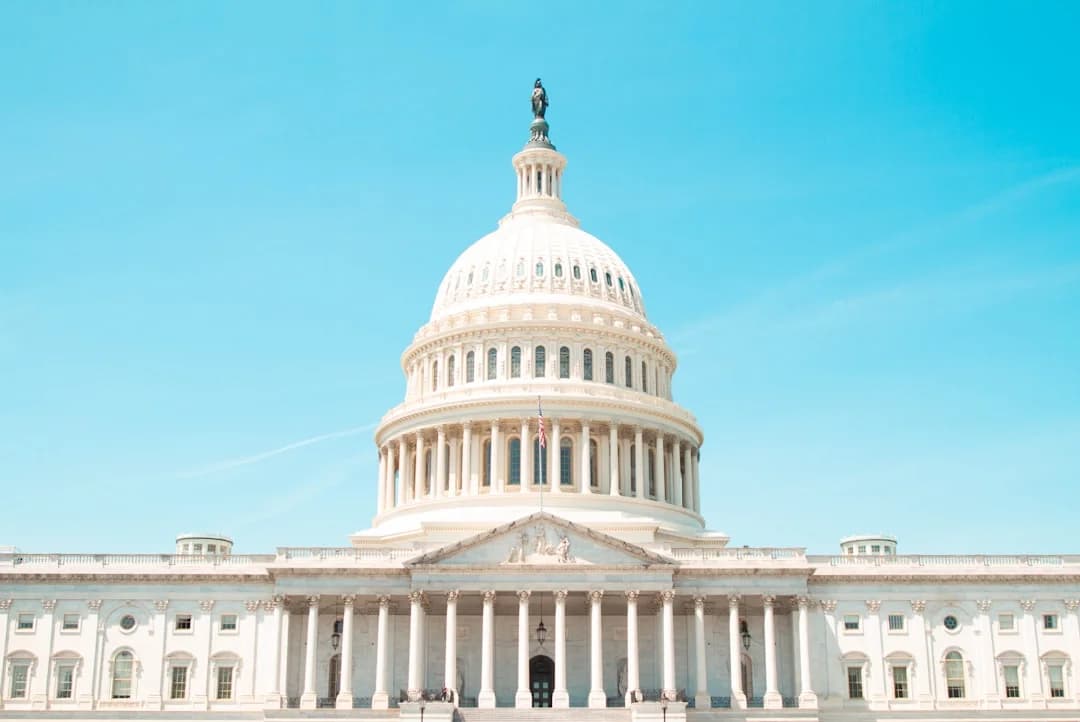
Photo by Caleb Perez on Unsplash
The District of Columbia is entering a pivotal year for micromobility governance. In 2026, DC agencies and community groups are rolling out a more formalized approach to enforcing micromobility guidelines, driven by safety concerns, equity considerations, and a growing fleet of shared devices across all eight wards. The District Department of Transportation (DDOT) announced a high-profile pilot program and signaled stronger enforcement of micromobility rules, aiming to balance innovation with public space management. This comes amid ongoing legislative activity, neighborhood advocacy, and a data-centric push to measure impacts in real time. The announcement is timely for riders, operators, and residents who want to understand what the changes mean for daily travel, curb space, and citywide mobility strategy. (ddot.dc.gov)
As DC officials emphasize accountability and data-driven policy, stakeholders are watching how enforcement will evolve in practice. The District has long maintained a Shared Fleet Device Program permitting private operators to run scooters and dockless bikes in public space, with data reporting requirements and a commitment to fair distribution across all eight wards. The program currently authorizes four operators—Lime, Lyft, Spin, and Veo—with reporting obligations tied to permits. In 2025, the city also advanced micromobility-related legislation, including B26-0244, B26-0245, and B26-0246, which address micromobility fire safety standards, weight limits for personal delivery devices, and automated curbside management systems. The combination of pilot programs, legislative activity, and local government endorsements signals a coordinated, yearlong effort to elevate enforcement and governance in micromobility. (ddot.dc.gov)
What Happened
Policy backdrop and legislative groundwork
In late 2025, the District of Columbia Council began weighing a trio of micromobility bills designed to tighten safety and curb-space governance. B26-0244, the Micromobility Fire Safety Standards Act of 2025, and B26-0245 and B26-0246—focusing on personal delivery device weights and automated curbside management—frame a more stringent regulatory environment for micromobility in 2026. The district’s DDOT prepared final testimony for a public hearing held in October 2025, underscoring a policy trajectory that would layer safety standards on top of existing shared-mobility permits and data-reporting requirements. The public hearing materials and testimony illustrate a city intent to standardize safety across devices, ensure that curbside activity is managed transparently, and prepare DC for potential scale-up if pilots prove successful. The hearing materials are part of a broader legislative thread that culminated in early 2026 with council and agency actions aimed at stronger enforcement and clearer operational rules. (ddot.dc.gov)
A key anchor for 2026 enforcement discussions is ANC 1A’s February 2026 resolution calling for strengthened compliance with and enforcement of micromobility guidelines across the District. The resolution explicitly urges the District Department of Transportation to bolster regulatory compliance for shared fleet devices, operator agreements, and regulations governing scooters and e-bikes citywide. This neighborhood-level demand signals rising scrutiny from local residents and advisory bodies that focus on public-space impacts, safety, and equitable device distribution. The ANC resolution provides a tangible, local benchmark for the administration’s enforcement posture in 2026. (resolutions.anc.dc.gov)
The enforcement push and the MicroFreight DC pilot
In May 2026, DDOT announced a city-scale push to pair enforcement with a broader mobility and freight strategy. The agency disclosed a ten-month MicroFreight DC Pilot Program in partnership with Amazon to test quiet, low-emission e-cargo bike deliveries in Washington, DC. The pilot, which began on May 11, 2026, will operate up to 15 battery-powered e-cargo bikes from a Southwest DC microhub, delivering packages to nearby neighborhoods via a hub-and-spoke model. Operational parameters include a maximum speed of 15 mph and a prohibition on sidewalk use, with a focus on bike lanes and streets. The goal is not only to move last-mile deliveries off diesel trucks but also to gather robust data on curb-space impacts, rider safety, and delivery reliability that could inform future micromobility rules. The DDOT press release detailing the MicroFreight DC Pilot provides the most concrete example to date of enforcement-minded policy experimentation in 2026. (districtofcolumbiatimes.com)
DDOT’s work on enforcement is tightly connected to the Shared Fleet Device Program, which governs private operators of scooters and dockless bikes in public space. The program requires data reporting as a condition of permits and aims to ensure equitable vehicle distribution across wards. This data-centric framework is being used to justify more rigorous oversight as the micromobility market grows. The Shared Fleet Device Program lists Lime, Lyft, Spin, and Veo as permitted operators, with additional data-sharing and privacy commitments to protect rider information while enabling public-space planning. As enforcement steps escalate in 2026, this data backbone will likely become increasingly central to regulatory decisions and permit renewals. (ddot.dc.gov)
The broader enforcement environment and public safety context
Public safety is a recurring theme in DC’s micromobility enforcement dialogue. In 2024, MPD launched Operation Ride Right to address safety concerns stemming from the rise of scooter and moped use in neighborhoods such as Columbia Heights. The program involved targeted enforcement and traffic education to ensure that motorized two- and three-wheel devices operate in compliance with local traffic laws. While the 2024 initiative occurred before the 2026 enforcement push, it remains a touchstone for current policy debates about enforcement intensity, penalties, and compliance mechanisms. The experience in 2024—alongside ongoing legislative activity and 2025 public hearings—helps explain why 2026 is viewed as a turning point for micromobility governance in DC. (axios.com)
Together, these developments illustrate a city negotiating the pace of micromobility growth with the need for safety, curb-space management, and accountability. The enforcement narrative in 2026 is not about banning micromobility or stifling innovation; it is about codifying standards, aligning riders and operators with clear rules, and using data to guide policy decisions that affect a broad cross-section of DC residents. The District’s approach aims to harmonize a vibrant micromobility ecosystem with a public-space framework that serves pedestrians, cyclists, transit users, and local businesses. (districtofcolumbiatimes.com)
Why It Matters
Public safety, compliance, and the balance of power in public space

The 2026 enforcement push reflects a deliberate recalibration of how micromobility devices share DC streets and sidewalks. With the rise of shared scooters and e-bikes, cities have faced questions about rider education, vehicle safety standards, and curb-space allocation. The Micromobility Fire Safety Standards Act of 2025 and related measures signal a commitment to addressing safety at the device level, including fire safety considerations for certain micromobility fleets and the potential for standardized incident reporting. In practice, this means operators may need to upgrade safety features, revise maintenance schedules, and implement rider training programs that align with DC’s pace of regulatory change. The existence of these bills and the ongoing enforcement discussions underscore a broader national conversation about how cities should govern micro-mobility as an integrated piece of urban mobility. (ddot.dc.gov)
From a data perspective, DC’s Shared Fleet Device Program serves as the backbone for enforcement decisions. The program’s data-sharing requirements help city officials assess fleet distribution, utilization, and safety outcomes. As of 2025, the dataset indicates that four operators are permitted to deploy shared devices in public space, with the city emphasizing equitable distribution across wards. This data-driven approach helps policymakers target enforcement where it’s most needed and calibrate permit conditions in response to observed trends. For riders and the public, the data can translate into clearer expectations around device availability, safety practices, and the consequences of non-compliance. (ddot.dc.gov)
Public safety is also tied to enforcement intensity and interagency collaboration. The MPD’s 2024 enforcement program and the DDOT-DOEE regulatory context illustrate how DC pursues a multi-agency approach to street safety, which increasingly includes micromobility. In 2026, the balance between education and enforcement appears to be shifting toward more structured compliance mechanisms, with neighborhood-level engagement (as seen in ANC resolutions) and statewide policy alignment. This approach is consistent with DC’s broader safety posture, which includes robust traffic education and targeted enforcement at high-risk locations and times. (axios.com)
Equity, accessibility, and community outcomes
DC’s micromobility framework emphasizes equitable access to mobility, particularly through the Shared Fleet Device Program’s aim to distribute devices fairly and to ensure accessibility for riders of varying income levels and abilities. The district’s approach includes data-driven decisions aimed at preventing service deserts and ensuring that all eight wards can benefit from micromobility options. The ongoing data reporting requirements help the city monitor whether operators are meeting equity objectives and whether enforcement actions are disproportionately impacting certain neighborhoods. Data availability and transparency are central to public trust in enforcement decisions and the legitimacy of policy changes. (ddot.dc.gov)
Additionally, micromobility’s role in urban freight and delivery is increasingly framed as an environmental and quality-of-life issue. The May 2026 MicroFreight DC Pilot with Amazon illustrates how micromobility is expanding beyond rider mobility to address last-mile deliveries. If such pilots yield positive results—reduced vehicle miles traveled, lower emissions, and improved curb space dynamics—DC could see a more expansive regulatory framework that encompasses both passenger micromobility and microfreight operations. The pilot’s intent to inform future rules and policy decisions signals a deliberate linkage between enforcement, innovation, and sustainable city objectives. (districtofcolumbiatimes.com)
Economic impact and regulatory burden on operators
For micromobility operators, stronger enforcement often translates into stricter compliance requirements, higher data-reporting expectations, and potential adjustments to fleet deployment strategies. The Shared Fleet Device Program’s four-operator model provides a predictable baseline, but enforcement momentum in 2026 may push operators to invest more in rider education, maintenance, and fleet safety enhancements. The regulatory environment in DC—unfolding through 2025 legislation and 2026 enforcement actions—also influences how operators plan expansion into other neighborhoods and how they align with curb-space management policies. The result could be a more stable, safety-focused operating environment that nonetheless requires significant ongoing compliance investments. (ddot.dc.gov)
In the broader national context, DC’s approach mirrors a growing trend among cities to pursue tougher regulatory infrastructure around micromobility devices, combining safety standards with structured enforcement and data sharing. The interlocking set of bills, ANC resolutions, and pilot programs provides a blueprint for others considering similar reforms. While the specifics of enforcement mechanics will continue to evolve, the core intent in 2026 is clear: create a predictable, accountable, and equitable micromobility ecosystem that benefits riders, communities, and local businesses alike. (ddot.dc.gov)
What’s Next
Near-term milestones and pilot learnings
The MicroFreight DC Pilot Program, launched May 11, 2026, marks a concrete near-term milestone in DC’s enforcement-forward mobility agenda. The ten-month pilot is designed to yield a data-rich evaluation of e-cargo bike deliveries, curb-space usage, rider safety, and customer experience. The pilot’s outcomes will feed into potential rulemaking in 2027 and could influence future decisions on scale-up, licensing, and lane-use policies for microfreight in the District. Observers should expect monthly performance reviews, with a final report due in spring 2027. The pilot’s governance framework, including involvement from Nelson/Nygaard and the Carbon Neutral Cities Alliance, underscores a rigorous, multi-stakeholder review process that will shape enforcement strategies and regulatory alternatives. (districtofcolumbiatimes.com)
Longer-term outlook: enforcement, equity, and integration
Beyond the immediate pilot, DC’s enforcement posture in 2026 points toward a multi-year strategy that integrates safety standards, curb-space management, and performance-based permit conditions. The ANC 1A resolution’s call for enhanced compliance signals continued neighborhood engagement and a push for more consistent enforcement in communities across the District. If 2026–2027 data demonstrate safety improvements and logistical benefits from micromobility and microfreight pilots, DC policymakers may formalize permanent rules that apply districtwide, with targeted pilots to address specific use cases such as curbside loading zones, “green lanes” for micromobility, and incentive programs to keep riders within safety guidelines. The city’s ongoing data-sharing obligations will likely remain central to decisions about permit renewals, fleet deployment, and penalties for non-compliance. (resolutions.anc.dc.gov)
Watchwords for riders and residents
For riders, the enforcement emphasis translates into clearer expectations around device use, safety practices, and compliance with traffic laws. It also raises the importance of staying informed about permit conditions for shared devices in their neighborhoods and understanding how enforcement actions could affect device availability. For residents, the focus on equitable distribution and visible enforcement aims to reduce nuisance or safety concerns related to micromobility devices and curb-space usage. Finally, for local businesses and freight operators, the pilot and enforcement developments offer a path toward more predictable regulatory conditions that balance access with safety and community needs. The net effect should be a DC where micromobility remains a viable, safe, and scalable component of the city’s transportation mix. (ddot.dc.gov)
Time will tell how these enforcement efforts unfold in practice, but the trajectory is clear: DC’s leadership is pursuing a data-informed, safety-first, and equity-centered approach to micromobility enforcement in 2026. Residents, riders, and operators should monitor official DDOT updates, ANC actions, and council debates as the year progresses, since those channels will likely shape the next phase of micromobility governance in the District. For ongoing coverage and context, readers can follow DDOT’s press releases, the Shared Fleet Device Program data portal, and neighborhood-level resolutions that push for stronger compliance and enforcement of micromobility guidelines across the District. (ddot.dc.gov)
Closing
The District’s pivot toward enhanced micromobility enforcement in 2026 reflects a mature, evidence-based approach to urban mobility. By integrating new safety standards, data-driven oversight, and targeted pilots like MicroFreight DC, DC aims to uphold safety while preserving the benefits of micromobility for residents and visitors. As policymakers and community groups continue to test, measure, and adjust, DC readers should expect ongoing updates from official channels and trusted local outlets that track how these enforcement efforts translate into safer streets, clearer rules, and more predictable mobility options for all Washingtonians. The coming months will reveal how the enforcement framework performs in diverse neighborhoods and how it informs the District’s broader mobility and freight policy in the years ahead. (districtofcolumbiatimes.com)
