Michelin Key Hotels Luxury Accommodations Washington DC
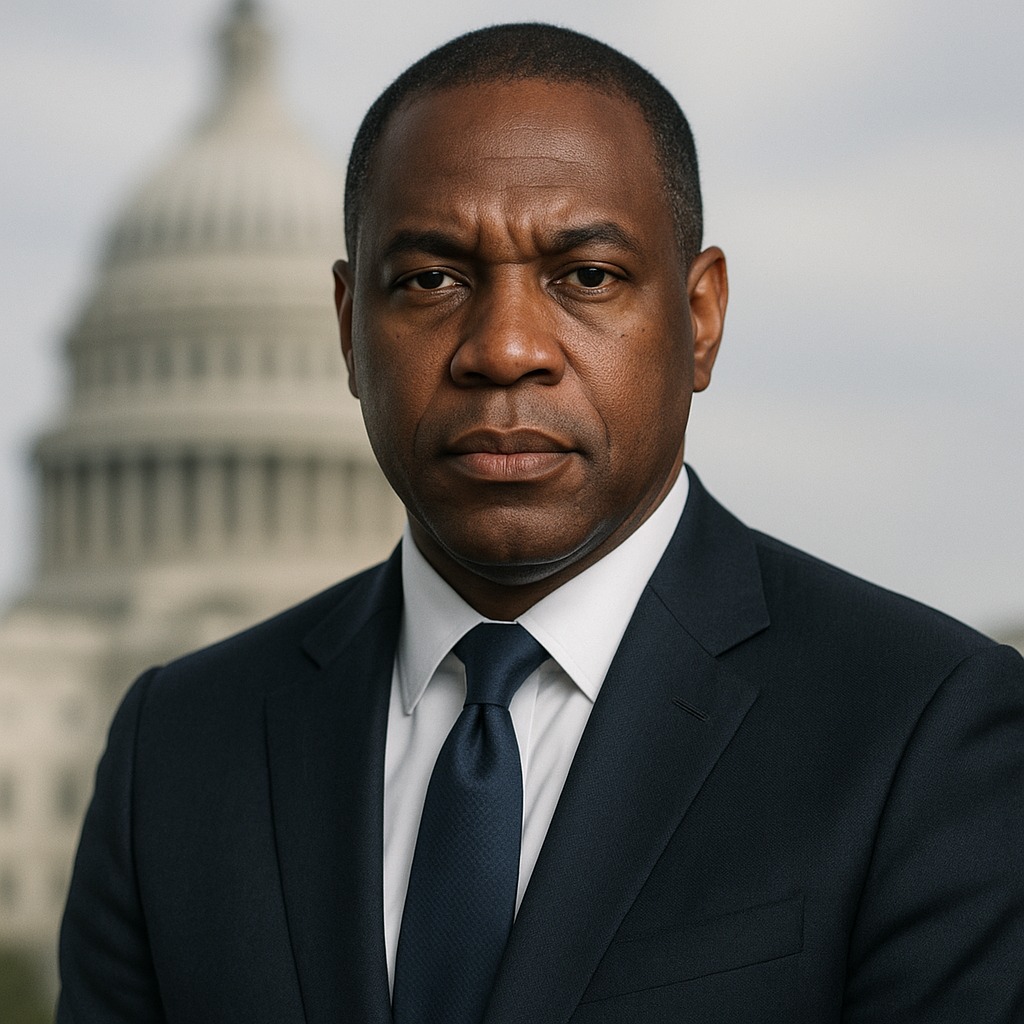
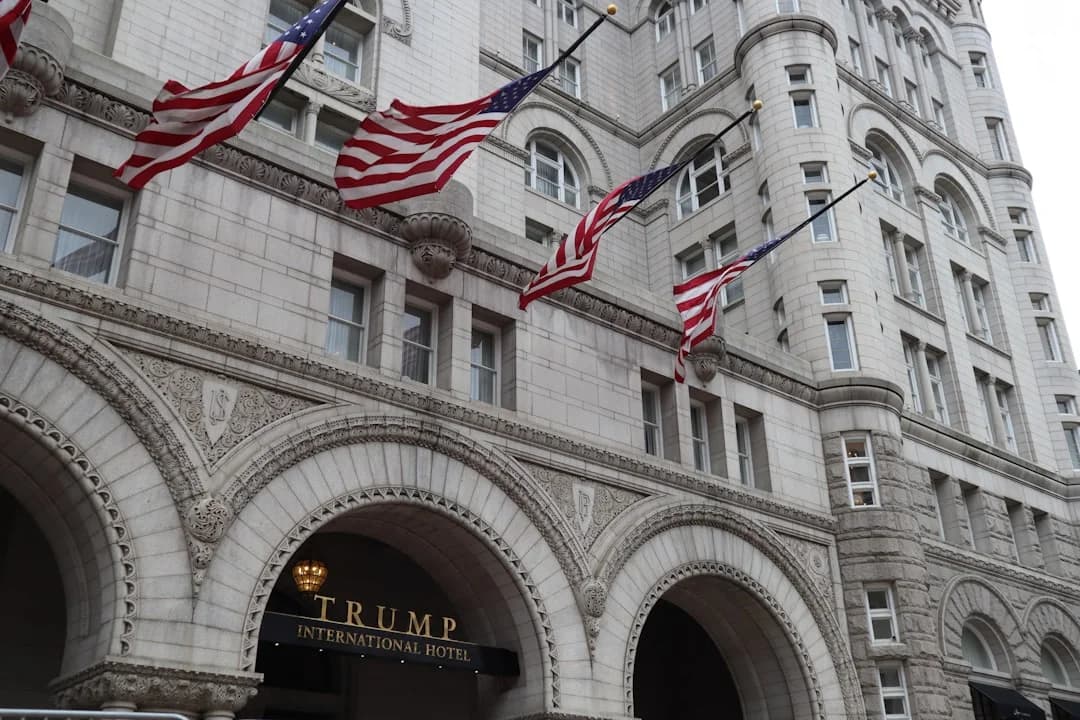
Photo by Yaw Afari on Unsplash
Washington DC sits at the crossroads of governance, policy, and culture, making its luxury hospitality scene a focal point for travelers who require seamless access to power centers as well as the pleasures of a sophisticated city. In recent years, the MICHELIN Guide has extended its discerning eye from the restaurant world into the realm of hotels, introducing MICHELIN Keys to recognize exceptional accommodations. For the District of Columbia Times—the DC news outlet dedicated to policy, national affairs, and local insight—this evolution signals more than a badge of prestige. It indicates how hospitality standards evolve in a capital city where business, diplomacy, and civic life are intertwined. michelin key hotels luxury accommodations washington dc is not just a phrase; it’s a signal of a prioritized guest experience, where service excellence, design integrity, and location converge. The MICHELIN Keys framework has become a common reference point for travelers, business executives, and policymakers who value predictability, reliability, and quality in their stays. (michelin.com)
How MICHELIN Keys Shape Washington DC’s Luxury Lodging Landscape
To understand the impact of michelin key hotels luxury accommodations washington dc, it helps to start with how the MICHELIN Guide defines and assigns Keys. MICHELIN Keys are a tiered system—One Key, Two Keys, and Three Keys—meant to signal a hotel’s overall quality, guest experience, and consistency across service and facilities. In the United States, DC became a notable hub for early adoption of these hotel distinctions, with DC properties highlighted for their distinctive blend of luxury and practicality. The MICHELIN Guide explains that hotels earning Keys are selected through a rigorous inspection process, focusing on service, comfort, and the ability to meet or exceed guest expectations across a range of stays. This framework has practical consequences for how DC hotels market themselves to corporate travelers, lawmakers, lobbyists, and international guests who prize reliability and thoughtful hospitality. A MICHELIN Key is a highly coveted designation that recognizes outstanding hotels across the country, and DC properties have been among the early beneficiaries of this program. (michelin.com)
The DC Hotel Scene: Keys in Context
Washington DC’s hospitality map features a mix of iconic historic properties, modern boutique hotels, and riverfront destinations, many of which have earned MICHELIN Keys in recent years. The inaugural US hotel-key announcements highlighted several DC properties, signaling a broader national push to elevate hotel experiences beyond the traditional luxury criteria. Several DC hotels were singled out as MICHELIN Key destinations, drawing business travelers, government officials, and high-profile visitors who value curated experiences alongside strategic proximity to government centers and corporate districts. In DC, a well-located MICHELIN Key hotel can potently complement an itinerary that includes meetings on Capitol Hill, events at the National Mall, or dinners in world-class restaurant corridors. DC-based outlets and industry observers noted the emergence of these Key hotels as a reflection of how capital-area hospitality is adapting to a global, knowledge-based economy. (wtop.com)
Notable Washington DC MICHELIN Key Hotels (Illustrative Examples)
The Washington DC hotel market has seen multiple properties earn MICHELIN Keys. For instance, in the first wave of US-based MICHELIN Key hotel recognitions, several DC properties were named One MICHELIN Key, underscoring their status as reliable, high-quality options for travelers who demand consistent service and premium amenities. The Pendry Washington DC on The Wharf, the Riggs Washington DC hotel in Penn Quarter, The Dupont Circle Hotel, The Hay-Adams, and Eaton DC all received One MICHELIN Key distinctions in this period. These awards signal to travelers that these properties meet the MICHELIN Guide’s criteria for a high-quality guest experience across a range of categories, from room comfort and facilities to staff attentiveness and overall ambiance. The official listings and press coverage around these designations illustrate how DC’s luxury lodging market is aligning with national standards for hospitality excellence. (wtop.com)
“A MICHELIN Key is a highly coveted designation that recognizes outstanding hotels across the country.” This framing—noted by multiple MICHELIN communications—helps travelers interpret what a Key means in practical terms: a trustworthy baseline of quality you can expect from a property’s rooms, service, and facilities. (dr755n6e7gh8l.cloudfront.net)
Why Washington DC Matters for MICHELIN Keys
DC’s status as a global capital city injects a distinctive dynamic into the MICHELIN Key program. The city hosts a constant flow of international visitors, foreign delegations, and high-stakes policy discussions, alongside a vibrant business and cultural ecosystem. Hotels that earn MICHELIN Keys in DC are typically expected to offer more than luxury amenities; they must provide consistency, discretion, and a sense of place that resonates with travelers who balance work schedules with the demands of sightseeing, cultural events, and social engagements. The DC market’s reception to Keys has been framed by both industry reporting and MICHELIN communications, which together emphasize that these designations are not just about plush interiors, but about a holistic experience that supports the unique rhythms of the nation’s capital. As DC observers and travelers increasingly rely on MICHELIN Keys as a shorthand for quality, hotels in the district are incentivized to invest in staff training, operational excellence, and guest-centered innovations. (guide.michelin.com)
Case Studies: Representative MICHELIN Key Hotels in Washington DC
To bring the concept to life, consider several case studies of DC properties that earned MICHELIN Keys and how those designations translate into guest experience, market positioning, and local impact.
Eaton DC: A Modern Boutique Benchmark
Eaton DC, located at McPherson Square, quickly became a talking point in DC’s MICHELIN Key discourse when it was recognized as One MICHELIN Key. The property’s blend of bold design, thoughtful programming, and a central downtown location aligns with the MICHELIN Guide’s expectations for a high-quality stay that appeals to both business travelers and leisure guests who value style without sacrificing comfort. The recognition has helped Eaton DC position itself as a contemporary anchor for DC’s evolving hospitality landscape, where design-forward experiences meet practical conveniences like meeting rooms, event spaces, and dining concepts that appeal to a wide audience. The hotel’s ongoing reception of hospitality awards, including its MICHELIN Key status, reinforces its credibility in a competitive market and supports broader tourism and local business ecosystems that benefit from steady influxes of visitors. This trend aligns with broader industry reporting on how MICHELIN Keys influence guest choice and urban hotel branding. (rosewoodhotels.com)
“We’re honored to retain One MICHELIN Key and to be recognized by discerning travelers and industry peers as a top hotel in Washington, D.C.” — a sentiment echoed by Eaton DC’s leadership in its public communications surrounding the award. (prnewswire.com)
The Pendry Washington DC at The Wharf: Waterfront Luxury with Administrative Access
The Pendry at The Wharf represents a newer wave of DC luxury hotels that garnered One MICHELIN Key status in the district’s early MICHELIN hotel rollouts. The property’s location on The Wharf places guests near DC’s riverfront dining and entertainment cluster, while its interiors emphasize modern luxury, social spaces, and a flexible approach to work and play. For many travelers, Pendry’s MICHELIN Key designation signals that the hotel delivers a curated, design-forward experience with service standards aligned to high expectations for attention, discretion, and hospitality nuance. The combination of a striking architectural presence, waterfront ambience, and a thoughtful guest journey makes Pendry a compelling option for those who want to combine executive activity with leisure. This case illustrates how waterfront districts in DC have become focal points for MICHELIN Key hotels seeking to offer both business-grade amenities and lifestyle appeal. (wtop.com)
The MICHELIN Guide’s DC accommodations coverage highlights the Pendry as an example of a modern, fully integrated hotel experience that includes thoughtful public spaces, dining options, and a guest-centric approach to service. (guide.michelin.com)
The Hay-Adams: A Boutique Flagship with Political Proximity
The Hay-Adams stands as a boutique luxury option with proximity to the White House and other centers of power. Its MICHELIN Key designation (as reported in 2024 and 2025 recaps) underscores a tradition of refined service, well-appointed rooms, and a setting that suits high-level meetings, private events, and discreet leisure stays. In DC’s competitive hotel market, Hay-Adams’ Key status reinforces its role as a reliable, high-quality option for guests who value heritage, quiet luxury, and a strong sense of place near the nation’s political heartbeat. Contemporary press coverage and MICHELIN-related announcements have highlighted The Hay-Adams among DC’s key hotel properties, illustrating how historical prestige can coexist with modern service standards to maintain relevance in a fast-evolving market. (wtop.com)
The Dupont Circle Hotel: Centrality and Consistency
Dupont Circle Hotel has also appeared in MICHELIN Key roundups, recognized for its central location, comfortable rooms, and strong service ethos that appeals to corporate travelers and DC explorers alike. The Dupont Circle area is a proven hub for business and social activity, and a MICHELIN Key designation helps reinforce the property’s appeal to guests who weigh location, ease of access, and quality in equal measure. As DC’s hotel market continues to adapt to shifting travel patterns, such properties benefit from Keys as a signal of consistent, dependable quality that aligns with the district’s professional rhythm and cultural vitality. (wtop.com)
The Economic and Policy Implications of MICHELIN Keys in DC
Beyond individual stays, MICHELIN Keys influence broader economic dynamics in Washington DC. A key effect is the signaling function: Keys indicate to corporate travel buyers, association groups, and international visitors that a property can deliver a predictable, premium experience in a city known for high-stakes meetings, conferences, and diplomatic engagement. This signaling can affect demand for local services, restaurant reservations, and transportation logistics, and it can influence developers and investors who consider hospitality assets as part of a broader urban development strategy. In policy circles, the visibility of MICHELIN Keys in DC underscores the city’s ongoing appeal as a destination for global business and governance talent, which in turn supports regional employment, tax revenues, and the vitality of local neighborhoods that host hotels, offices, and cultural amenities. The MICHELIN Keys framework thus contributes to a shared language among hoteliers, city planners, and business leaders about quality benchmarks and the user experience that matters most to visitors who spend substantial time in the capital. This alignment between hospitality standards and economic activity is a notable trend that observers and policymakers watch closely, particularly as DC seeks to balance growth with the preservation of neighborhood character and civic life. (washingtonpost.com)
Practical Guide: Choosing a MICHELIN Key Hotel in Washington DC
If you’re planning a DC stay with MICHELIN Keys in mind, here are practical considerations to help you choose a property that matches your purpose, budget, and preferred neighborhood.
- Proximity to power centers vs. lifestyle districts: If your trip centers on meetings near the White House or Capitol Hill, a hotel like The Hay-Adams or Eaton DC offers a strategic location with high service standards. For a more leisure-oriented DC experience with easy access to the riverfront and new culinary scenes, Pendry Washington DC at The Wharf provides a modern, social atmosphere with a premium service platform. DC travelers often weigh the balance between walking access to core districts and the desire for distinctive neighborhood character. (DC hotel dynamics and keys context from MICHELIN and industry coverage.) (wtop.com)
- Design and atmosphere: MICHELIN Key hotels in DC span from classic, historically rooted properties to contemporary, design-forward destinations. If you prize a sense of place that echoes the city’s professional energy, you might favor a property with refined tradition; if you prefer a more urban, immersive experience, a modern boutique with curated public spaces could be more appealing. The Keys system helps travelers anchor their expectations around both aesthetics and service. (guide.michelin.com)
- Amenities and meeting support: For business travelers and policy-focused visitors, meeting rooms, secure Wi-Fi, and efficient check-in processes are important. MICHELIN Key hotels commonly emphasize guest-centric amenities that support productivity, networking, and private briefings, alongside luxury comforts. The MICHELIN Keys context reinforces the importance of these elements for guests who combine governance work with cosmopolitan exploring. (michelin.com)
Quick Reference: Key Hotels by DC Neighborhood
| Hotel | Neighborhood | MICHELIN Key Status (as reported) | Notable Highlights |
|---|---|---|---|
| Pendry Washington DC at The Wharf | The Wharf / Southwest DC | One MICHELIN Key | Waterfront setting, contemporary luxury, work-friendly spaces |
| Eaton DC | Downtown / McPherson Square | One MICHELIN Key | Boutique vibe, cultural programming, central business access |
| The Hay-Adams | Downtown / near White House | One MICHELIN Key | Historic luxury, proximity to government centers |
| The Dupont Circle Hotel | Dupont Circle | One MICHELIN Key | Central location, classic luxury, strong executive services |
| Riggs Washington DC | Penn Quarter | One MICHELIN Key | Charismatic design, private event spaces (as part of the DC MICHELIN Keys coverage) |
| The Ritz-Carlton or Rosewood variants (DC area) | Various | (Key status varies by year) | Luxury brands with established service standards |
Note: The above table reflects a sample of DC MICHELIN Key hotels based on the most recent public announcements and coverage. The MICHELIN Guide periodically updates Key assignments, so guests should verify current status before booking. (wtop.com)
The Brand and the Backlink: A Resource for Travelers
For readers and travelers who want a consolidated, destination-focused understanding of MICHELIN Keys in hotels, the official MICHELIN Key Hotels site offers a structured gateway to verified listings and key details by destination. In the DC context, travelers can use the portal to compare Key status across local properties, review amenities, and plan itineraries that combine business objectives with cultural experiences. As a practical resource, it serves as a baseline for expectations and a trusted reference point when planning complex itineraries that mix governance meetings with sightseeing, dining, and social engagements. For readers of the District of Columbia Times, this resource complements our policy and industry coverage by linking hospitality quality with the city’s broader economic and social ecosystem. Michelin Key Hotels Luxury Accommodations Washington DC offers direct access to the official listings and contextual guidance that can help travelers navigate DC’s luxury lodging options.
In addition to official listings, independent outlets and local press frequently report on MICHELIN Key announcements and hotel performances in DC. For example, mainstream outlets have noted the introduction of the MICHELIN Key system for hotels and how DC properties have embraced the standard to differentiate themselves in a competitive market. These reports provide context for travelers who want to understand not only which hotels hold Keys, but also how Keys influence guest expectations and guest experiences in the nation’s capital. (washingtonpost.com)
MICHELIN Keys as a Lens on DC’s Economic and Cultural Economy
Washington DC’s hospitality ecosystem is a microcosm of the city’s broader economic engine—government, policy, diplomacy, business, and culture all converge in a district that cannot easily separate public affairs from private strategy. MICHELIN Keys offer a lens through which travelers and stakeholders can assess the quality and consistency of a hotel experience, which in turn helps sustain visitor demand, drive revenue for local suppliers, and support employment across a broad chain of services—from housekeeping and front desk operations to restaurants, event planning, and transportation services. This alignment between hotel quality and the city’s economic life is a practical example of how standards-based recognition can influence decision-making in a knowledge-driven economy. (washingtonpost.com)
“The MICHELIN Keys framework isn’t just about pretty lobbies; it’s about a consistent guest journey—from room comfort to service responsiveness to the reliability of meeting spaces—that supports DC’s unique needs as a capital city.” This perspective underscores why many DC hoteliers invest in training, operations, and guest-centric design aligned with Keys expectations. (michelin.com)
The Future of MICHELIN Keys in Washington DC
As DC continues to evolve as a global hub for politics, policy, and culture, the MICHELIN Keys system is likely to remain a relevant barometer for luxury lodging. The ongoing expansion of MICHELIN’s hotel coverage, including new Keys in major markets and the refinement of criteria to reflect evolving guest expectations (such as wellness amenities, sustainability, and digital hospitality), suggests that DC properties will continue to compete not only on location and décor, but on a holistic guest experience that aligns with the district’s fast-paced professional life and its desire for thoughtful, transformative travel moments. Industry observers and hoteliers alike watch for how DC’s MICHELIN Key standings shift with new openings, renovations, or relocations, as well as how these designations intersect with broader economic indicators and policy-driven travel incentives. (michelin.com)
Quotes and Perspectives from Inside DC’s Hospitality and Policy Circles
- “A MICHELIN Key is a highly coveted designation that recognizes outstanding hotels across the country.” This simple, powerful framing captures why DC’s properties aspire to Keys and why travelers seek them when planning high-stakes trips. (dr755n6e7gh8l.cloudfront.net)
- In DC hospitality circles, Keys are discussed alongside other awards and recognitions, with particular emphasis on how the designation reinforces a city’s ability to host national and global business, policy, and cultural events. The interplay of policy, business, and hospitality is a recurring theme in local and national coverage. (washingtonpost.com)
Conclusion: MICHELIN Keys, DC’s Hospitality Landscape, and the Traveler’s Path
Washington DC’s MICHELIN Keys framework has translated into measurable advantages for hotels that blend classic luxury with modern service, strategic locations, and a culture of guest-focused detail. For travelers who navigate the capital’s complex rhythm—meets with lawmakers, think-tank briefings, museum visits, and evenings in premier dining districts—MICHELIN Key hotels offer a reliable, premium anchor in an otherwise dynamic itinerary. In DC, the Keys are more than a badge; they are a signal of a city that treats hospitality as an extension of governance and civic life: precise, accountable, and centered on delivering value to every guest, whether they arrive as a policy-maker, a business executive, or a curious explorer. As policy and business communities continue to shape the district’s growth, MICHELIN Keys will likely remain a touchstone for hotel quality, influencing decisions, travel planning, and the broader narrative of how Washington DC welcomes the world.
For readers who want a curated sense of the MICHELIN Key landscape in DC, the official MICHELIN Key Hotels listings provide a centralized, authoritative point of reference. And for ongoing local coverage that weaves policy with place, District of Columbia Times remains your source for independent journalism from the heart of American governance.