Lincoln Memorial Underground Exhibit Opens June 25, 2026

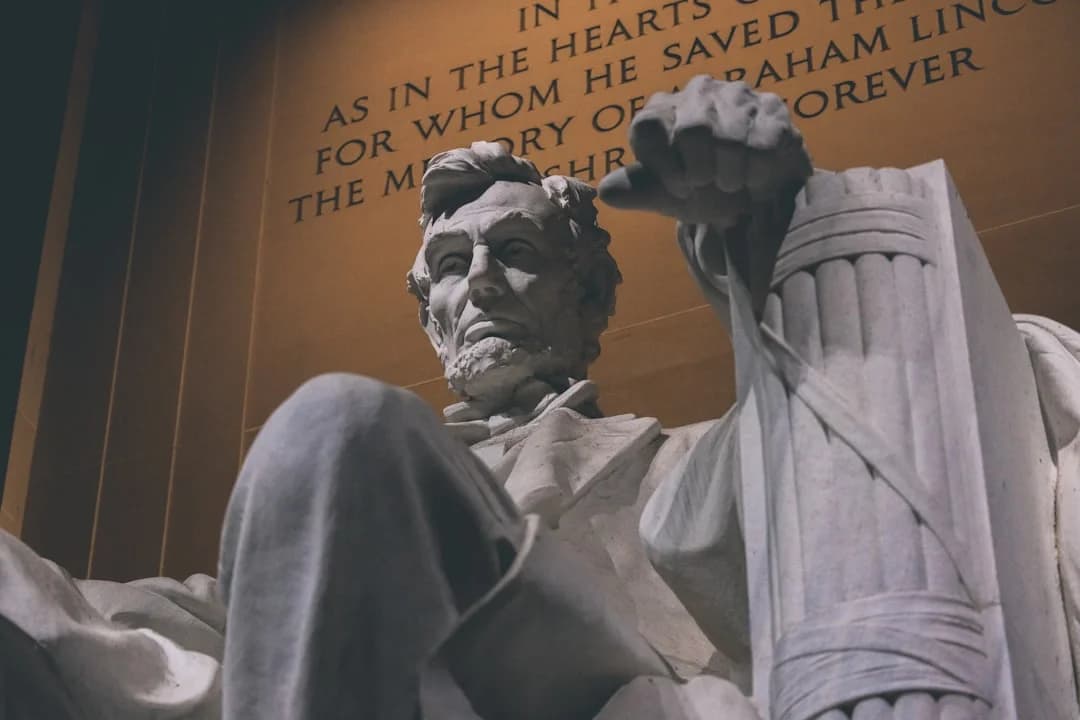
Photo by Caleb Fisher on Unsplash
The District of Columbia Times reports a major landmark development beneath a national symbol: the Lincoln Memorial underground exhibit is scheduled to open to the public on June 25, 2026. The opening marks the culmination of a multi-year effort to transform the undercroft space below the memorial into a 15,000-square-foot interpretive museum and visitor center. Timed-entry tickets will be available starting May 26, 2026, ahead of the public opening, signaling a measured approach to managing crowds and preserving access to one of the nation’s most visited monuments. The announcement was issued jointly by the Department of the Interior, which oversees the National Park Service (NPS), and the National Park Foundation (NPF), underscoring a partnership model that couples federal stewardship with philanthropic support. This early ticketing window is designed to gauge demand, structure sequences for tours, and lay the groundwork for a smooth launch as summer visitors arrive in greater numbers. The Lincoln Memorial underground exhibit is designed to offer visitors a dramatic, previously unseen space beneath the main monument, with a focus on how the memorial was conceived, built, and embedded in civil rights history. (nps.gov)
The announcement situates the project within broader national milestones. The undercroft will host immersive exhibits, glass-walled viewing bays, and multimedia presentations that illuminate construction history, symbolism, and the memorial’s evolving meaning in American public life. The timing aligns with the United States’ 250th anniversary observances, framing the exhibit as both a commemorative and educational initiative. Jeff Reinbold, president and CEO of the National Park Foundation, described the collaboration as a testament to public-private partnership and donor engagement that makes the project possible. “The opening of the Lincoln Memorial Undercroft Museum is a testament to the power of partnership with the Department of the Interior and the incredible generosity of our donor community,” Reinbold said, highlighting the shared investment required to bring such a transformative experience to the public. (nationalparks.org)
Opening plans emphasize accessibility and curated public entry. The timed-entry approach aims to balance crowd management with meaningful visitor experience, enabling people to engage with the space without compromising the integrity of the monument and surrounding grounds. The National Park Service notes that the undercroft is a new, 15,000-square-foot exhibit area designed to introduce visitors to a space that has long been part of the memorial’s architectural narrative but has largely remained unseen by the public. Visitors can expect floor-to-ceiling glass walls that offer views of the ongoing memorial context, along with projections and interpretive displays that connect the construction story to civil rights milestones. The project also represents a notable shift in how the National Park Service presents the Lincoln Memorial’s adjacent spaces, expanding interpretation beyond the statue terrace to a more comprehensive historical dialogue. (nps.gov)
Section 1: What Happened
Announcement and official confirmation
- In late May 2026, federal agencies and their nonprofit partners announced the Lincoln Memorial underground exhibit’s opening date of June 25, 2026. The timeline follows months of planning, permitting, and construction activity in the undercroft area beneath the iconic monument. The national authorities have framed the event as part of a broader initiative to refresh and expand interpretation around the Lincoln Memorial while preserving its state and surroundings for future generations. The initial ticketing window for timed entries opened on May 26, 2026, with online reservations designed to smooth visitor flow and reduce on-site congestion during peak summer periods. The official communications emphasize that the undercroft will feature a new 15,000-square-foot exhibit space, along with a visitor center component intended to support educational programs and research access. These milestones were publicized by the National Park Service (NPS) and the National Park Foundation (NPF), with additional coverage from major local outlets preparing audiences for the June opening. (nps.gov)
Exhibit scope, design, and features
- The Lincoln Memorial underground exhibit is described as a purpose-built interpretive space beneath the main memorial, designed to reveal construction history, symbolism, and civil rights associations that complement the statue’s broader cultural role. At 15,000 square feet, the undercroft will host immersive displays, multimedia experiences, and glass-enclosed viewing zones that allow visitors to observe the surrounding structure while engaging with curated narratives about the memorial’s creation and its place in American history. The design leans into modern presentation techniques—multi-media projections, narrative panels, and interactives—intended to cater to a diverse audience, including students, researchers, and casual visitors seeking context beyond the sculpture’s visual impact. The contractor, Consigli Construction, began on-site work earlier in March 2026, consistent with industry timelines for a project of this scale, and is coordinating closely with NPS and NPF to meet the summer launch target. The project’s value is widely reported as a nearly $69 million investment intended to deliver a high-visibility educational venue while respecting the memorial’s sacred, commemorative function. (nps.gov)
Governance, partnerships, and funding
- The Lincoln Memorial underground exhibit is the product of a formal collaboration between federal management and philanthropic support. The Department of the Interior’s leadership, through the NPS, is coordinating the project with the National Park Foundation, underscoring the model of leveraging private philanthropy to enhance public cultural heritage sites. This partnership is presented as essential to delivering a modern interpretation facility in a highly trafficked national landmark, where careful design and visitor experience considerations must align with historical accuracy and preservation standards. The financial framework—approximately $69 million in construction and program costs—reflects the scale of the undertaking and the ambition to create a durable, educational resource that can accommodate changing visitation patterns over time. As part of the press information, officials emphasize that the undercroft will provide a sustained platform for exhibitions that address not only the Lincoln Memorial’s construction era but also its evolving role in civil rights demonstrations and democratic discourse. (nationalparks.org)
Ticketing, access, and immediate impact
- A key feature of the rollout is the timed-entry ticketing system, designed to optimize capacity and minimize crowding in a newly accessible underground space. Online tickets became available on May 26, 2026, with the expectation that many visitors would plan their trips around the June 25 opening. This approach is intended to improve visitor experience through predictable scheduling, reduce waiting times, and enable better crowd management during peak summer travel months. The ticketing information also signals a shift in how the public might approach visits to the Lincoln Memorial area, with increased coordination between the memorial grounds and the underground exhibit experience. Local news outlets began covering the logistical implications in the weeks leading to opening, highlighting how this addition to the National Mall’s offerings could influence surrounding attractions, transit patterns, and hotel occupancy during a busy season. (nps.gov)
What’s beneath the surface of the undercroft
- The concept of an underground or undercroft museum at the Lincoln Memorial reflects a broader trend in which national monuments explore subterranean interpretive spaces as complementary venues. The Lincoln Memorial undercroft is envisioned as a controlled, climate-appropriate environment suitable for artifacts, scale models, and digital installations that narrate the memorial’s construction and its civil rights associations. Visitors will encounter curated sequences that tie architectural design to historical moments, including how the memorial has served as a backdrop for civil rights demonstrations and political rhetoric through the decades. The proportion of the space—15,000 square feet—allows for a mix of gallery spaces, a theater or presentation area, and additional amenities that support school groups and academic researchers who require more time to examine primary sources and interpretive materials. While the exact layout details remain subject to ongoing construction updates, the project’s public-facing materials emphasize accessibility, inclusivity, and educational potential. (nps.gov)
Section 2: Why It Matters
Cultural and historical significance

- The Lincoln Memorial underground exhibit represents more than a physical expansion; it signals a deliberate shift toward deeper public education about the memorial’s history, its design process, and its enduring symbolism in American civil life. By providing a space that explains how the memorial was conceived and built, the exhibit complements the statue’s iconic status with context about architectural decisions, funding, and the political and social conversations surrounding its creation. The educational objective is to help visitors connect the monument to broader narratives—such as civil rights history, constitutional values, and the ongoing interpretation of national memory. Official materials describe the undercroft as a venue where audiences can explore the memorial’s role as a stage for public discourse and as a canvas for interpreting national identity across generations. In this framing, the Lincoln Memorial underground exhibit becomes a bridge between commemoration and critical inquiry. (nps.gov)
Public engagement, tourism, and local economics
- Beyond its educational aim, the exhibit is expected to influence visitor behavior and regional tourism dynamics. The timing of the June 25, 2026 launch aligns with peak summer travel, a period when the National Mall already hosts a high concentration of domestic and international tourists. The addition of a major underground exhibit can potentially lengthen average visit durations, encourage multi-site itineraries around the National Mall, and attract school groups seeking integrated historical programming. Analysts anticipate indirect economic benefits for nearby hotels, transit services, and local retailers as visitors allocate additional days for cultural experiences in the nation’s capital. The collaboration between federal agencies and philanthropic partners demonstrates how targeted investments in cultural infrastructure can yield multipliers for educational outcomes and community engagement, especially when paired with data-driven ticketing strategies and program planning. (nationalparks.org)
Education, accessibility, and equity
- A central rationale for the Lincoln Memorial underground exhibit is to broaden access to national history education. The format—interdisciplinary displays, multimedia storytelling, and curated artifacts—aims to reach diverse audiences, including students with varying learning styles and backgrounds. The NPS and NPF emphasize that the undercroft will serve as a public-facing platform for research, interpretation, and civic learning, aligning with broader federal commitments to accessibility and inclusive storytelling in national monuments. By presenting the construction narrative alongside civil rights context, the exhibit seeks to foster critical thinking about memory, representation, and democracy. This approach resonates with ongoing conversations about how museums and memorial spaces convey complex histories to contemporary audiences, balancing reverence with inquiry. (nps.gov)
Architectural and preservation considerations
- The underground nature of the project presents unique conservation and engineering considerations. The 15,000-square-foot exhibit area beneath a landmark structure requires careful climate control, moisture management, and structural integration to protect both the memorial and newly introduced artifacts and media. Industry reporting has highlighted the involvement of experienced contractors, such as Consigli Construction, in executing a project of this magnitude within a sensitive heritage site. Preservation standards and ongoing maintenance will be essential to ensure the exhibit’s long-term viability, given the steady flow of visitors and the exposure to environmental factors around the broader National Mall ecosystem. The project’s design emphasizes both visibility and preservation, ensuring that visitors can engage with interpretive content while safeguarding the underlying monument. (enr.com)
Section 3: What’s Next
Implementation milestones and future programs
- As the June 25, 2026 opening approaches, stakeholders anticipate a phased rollout of interpretive programs, school partnerships, and public programs that leverage the new underground space. Short-term goals include refining the timed-entry process, training staff for enhanced visitor orientation, and coordinating with adjacent Smithsonian and federal attractions to create synergistic educational experiences across the National Mall. Long-term plans are likely to explore rotating exhibits, digital exhibits that can be updated to reflect current scholarship, and classroom-oriented resources that support civic literacy and historical inquiry. Observers will be watching how the undercroft evolves as a living facility—balancing the integrity of a national monument with the dynamic needs of modern museum pedagogy. (nps.gov)
Operational readiness and visitor experience
- Ensuring a high-quality visitor experience in a new underground environment requires attention to wayfinding, accessibility, and safety protocols. The NPS and its partners have indicated that the entrance sequence, security considerations, and visitor flow will be optimized through the timed-entry system and by leveraging digital information channels to communicate expectations, routes, and educational content. The exhibit’s mix of theater-style presentations, glass-fronted spaces, and immersive media demands robust technical infrastructure, trained staff, and ongoing evaluation to ensure reliability and accessibility for all visitors, including families, accessibility travelers, and educators. Early feedback from pilot or test events may influence final adjustments as the July through September window opens, given the expected influx of visitors during the summer travel season. (nps.gov)
What’s next for the Lincoln Memorial underground exhibit in the national memory landscape
- In the context of national memory projects, the Lincoln Memorial underground exhibit stands as a milestone in how the United States presents its most iconic public spaces. The undercroft’s opening contributes to a broader conversation about how monuments function within modern democratic societies, how museums interpret contested histories, and how visitors can encounter the past in ways that are both informative and reflective. As scholars and practitioners analyze the project’s impact over time, the Lincoln Memorial underground exhibit may become a case study in the effective integration of heritage preservation, public education, and experiential storytelling. The project’s reception—ranging from policymakers and scholars to school groups and international travelers—will shape its role in future debates about memory, citizenship, and civic pride in the nation's capital. (nationalparks.org)
Closing
By weaving construction history with civil rights narrative and presenting it through a modern interpretive lens, the Lincoln Memorial underground exhibit positions the Lincoln Memorial not only as a monument to a pivotal era in American history but also as a dynamic educational platform for today’s audiences. As June 25, 2026 approaches, District of Columbia Times will continue to monitor attendance patterns, program developments, and accessibility improvements linked to the undercroft experience, ensuring readers receive timely, data-driven updates about this landmark project. For those planning visits, the newly announced timed-entry system means—by design—that careful scheduling and advance reservations will be essential to a smooth, informative experience. The exhibit’s opening will invite residents and visitors alike to explore the construction of national memory with newly illuminated context, deeper layers of meaning, and a forward-looking view of how history can be encountered in real time. (nps.gov)

Sources and context notes
- National Park Service announces availability of timed-entry tickets for the Lincoln Memorial undercroft experience beginning May 26, ahead of the public opening on June 25, 2026, and describes the exhibit as a 15,000-square-foot space with glass walls and immersive displays. (nps.gov)
- National Park Foundation and Department of the Interior communications emphasize a public-private partnership, with leadership commentary from Jeff Reinbold on the donor community’s critical role in funding and enabling the project. (nationalparks.org)
- Coverage from NBC4 Washington outlines the upcoming underground exhibit’s opening trajectory and provides context on how local media are framing the story for audiences seeking timely information about tickets, dates, and access. (nbcwashington.com)
- ENR (Engineering News-Record) details the project’s construction economics, including the nearly $69 million budget and Consigli Construction’s on-site work, underscoring the scale and complexity of integrating a modern museum into a historic site. (enr.com)
- Smithsonian Magazine’s coverage of the Lincoln Memorial underground museum provides additional background on the concept and signaling about a broader trend of subterranean memorial interpretation. (smithsonianmag.com)