Infrastructure legislation 2026 Congress: DC Impacts

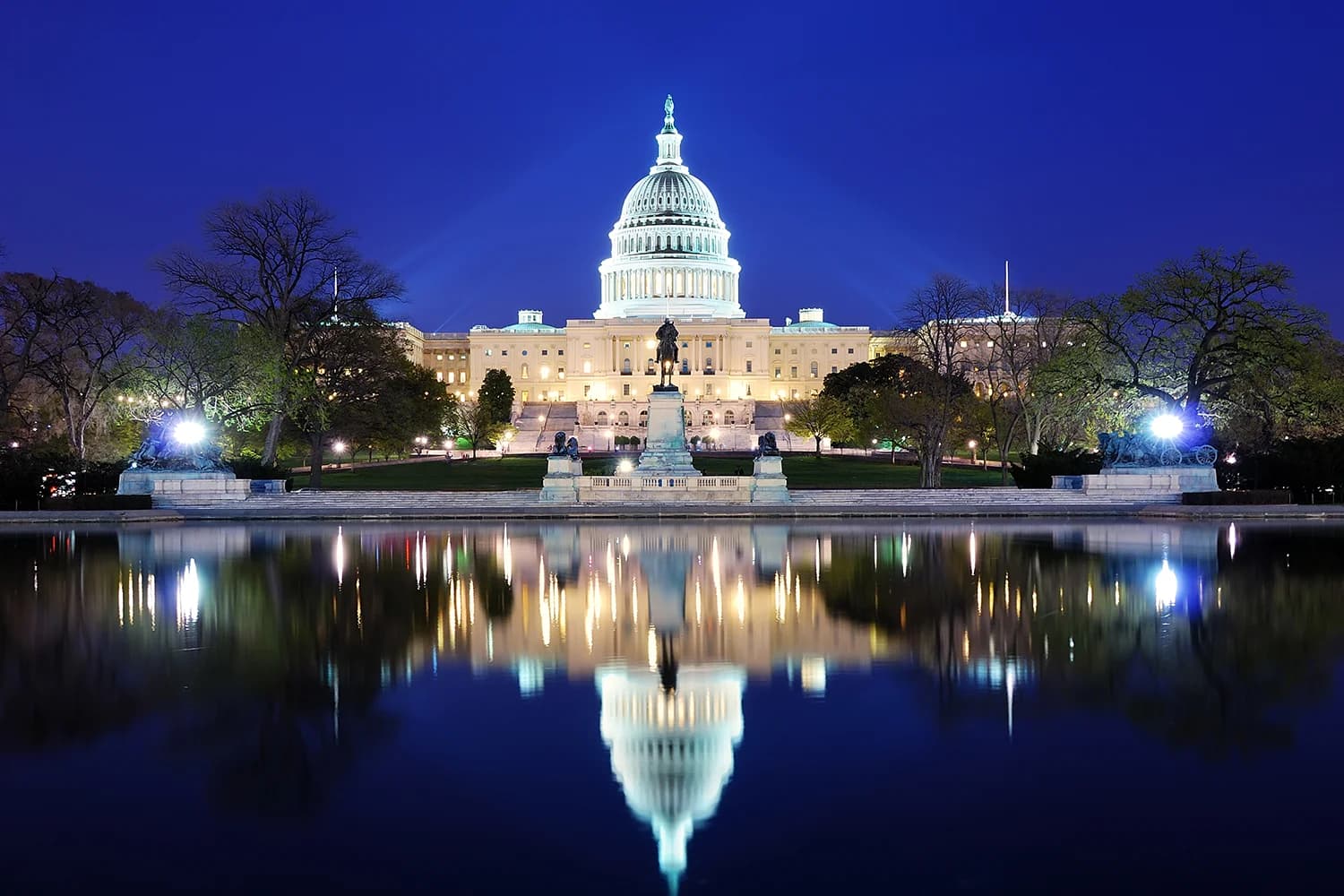
Washington, D.C. — The infrastructure legislation 2026 Congress moved into a decisive phase on February 3, 2026, when the House of Representatives passed the Fiscal Year 2026 Transportation, Housing and Urban Development (THUD) Appropriations Act by a vote of 217 to 214. The measure had already cleared the Senate with a bipartisan 71–29 margin, reflecting a rare moment of broad agreement on federal infrastructure funding in a tight fiscal environment. The bill now goes to the White House for signature and would provide a crucial funding backbone for surface transportation, aviation safety, housing programs, and related infrastructure priorities nationwide. (appropriations.senate.gov)
The package allocates a total of $102.9 billion in discretionary funding, with $102.5 billion dedicated to nondefense programs and a smaller $388 million for defense-related activities. The breakdown covers modernization efforts across air traffic control systems, airports, roads, rail networks, bridges, and housing initiatives intended to bolster resilience and affordability. The numbers matter not just for federal agencies but for state and local planners who rely on timely releases to keep projects on schedule. This funding decision is a significant data point within the broader arc of infrastructure policy under the ongoing infrastructure legislation 2026 Congress. (appropriations.senate.gov)
Even as this specific appropriation advances, observers and stakeholders highlight that infrastructure legislation 2026 Congress remains a work in progress. The broader reauthorization landscape is shaped by the expiration of the bipartisan Infrastructure Investment and Jobs Act (IIJA) in September 2026, a fact driving urgency among federal agencies, state partners, and industry groups to press for a longer-term funding strategy. Industry coalitions and trade groups have accelerated lobbying and coalition-building efforts to ensure continuous funding at or above IIJA levels, while House and Senate committees map out companion measures, including water resources authorization and surface transportation programs. (uschamber.com)
Opening with the most newsworthy information, today’s report updates readers on a pivotal moment for the nation’s infrastructure agenda, including its implications for the District of Columbia and local communities. The THUD appropriation signal is part of a broader pattern in which Congress is juggling immediate funding needs with longer-term authorization debates that affect project timelines, job creation, and regional economic resilience. As the administration monitors the implementation timeline, local governments are watching for release schedules and compliance requirements that could influence everything from airport modernization in Washington to bridge upgrades along regional corridors. (appropriations.senate.gov)
Section 1: What Happened
Passage of the FY 2026 THUD Appropriations Act
Final votes and procedural steps
On February 3, 2026, the U.S. House of Representatives approved the FY 2026 THUD Appropriations Act by a narrow margin of 217–214, marking a critical milestone in congressional funding for transportation, housing, and urban development programs. The Senate had already cleared the bill with a 71–29 vote, demonstrating a level of cross-party accord rarely seen in this policy area in recent years. The bill’s approval clears a major obstacle to funding for ongoing and planned infrastructure projects across the country, including in the District of Columbia. The White House has signaled that the Administration intends to sign the measure into law, solidifying the funding timeline for the upcoming fiscal year. This sequence—House passage, Senate approval, and imminent presidential assent—constitutes a concrete, time-bound event in the infrastructure legislation 2026 Congress cycle. (appropriations.senate.gov)
Key provisions and funding allocations
The appropriations act directs $102.9 billion in discretionary spending for THUD-related programs, a figure that encompasses a wide array of investments in transportation safety, airport modernization, transit, highway and bridge upgrades, housing affordability, and community development. Specifically, roughly $388 million is set aside for defense-influenced components within the broader THUD portfolio, while the bulk—$102.5 billion—addresses nondefense initiatives. For readers focused on the DC region, these funding streams translate into potential progress on airport capacity, rail reliability, and housing initiatives that affect the local economy and daily life. The funding mix underlines the administration’s emphasis on “modernize and expand” across modes of transportation, while continuing to support affordable housing and urban development through targeted programs. These details reflect a broader pattern in the current infrastructure policy environment as it intersects with the ongoing infrastructure legislation 2026 Congress. (appropriations.senate.gov)
Timeline, implementation, and next steps
With executive action forthcoming, the THUD funding package sets the stage for agency program cycles, contract solicitations, and grant awards in the weeks ahead. Agencies such as the Federal Aviation Administration, the Department of Transportation, and the U.S. Department of Housing and Urban Development will translate the appropriations into operating plans and project solicitations, subject to standard oversight and compliance processes. While the immediate hurdle of budget authorization is now behind the chamber walls, the broader infrastructure legislative agenda—especially reauthorization efforts tied to IIJA—will continue to unfold through 2026. The current posture is that this THUD appropriation is a critical, time-sensitive piece of infrastructure legislation 2026 Congress but not the entire program. (appropriations.senate.gov)
Section 2: Why It Matters
Impact on projects, communities, and markets
National impact and project readiness

The FY 2026 THUD funding package matters because it provides the fiscal scaffolding for ongoing and planned infrastructure work across the United States. The window for major surface transportation and airport modernization investments remains tightly coupled to authorization and appropriation schedules. A stable funding path helps states and municipalities maintain project momentum, sustain workforce pipelines, and reduce delays that ripple through supply chains and local economies. In the District of Columbia and adjacent jurisdictions, timely THUD disbursements influence planning for public housing modernization, transit expansions, and resilience projects that mitigate weather-related risks. The funding levels and program continuity reflected in the THUD measure are thus a central data point for assessing near-term market activity and project pipelines within the broader infrastructure legislation 2026 Congress. (appropriations.senate.gov)
Expiration of IIJA and reauthorization dynamics
Beyond the immediate appropriations, the expiration of the IIJA in September 2026 injects urgency into congressional discussions about a long-term federal infrastructure investment framework. The IIJA created a high-water mark for federal infrastructure spending and set ambitious performance and resilience goals across transportation, broadband, water, and energy sectors. As that authorization nears expiration, stakeholders including industry groups, state DOTs, and local officials are advocating for a robust reauthorization that preserves program continuity, updates project definitions, and potentially broadens the funding toolbox. The Move America Coalition, a broad alliance of infrastructure stakeholders, emphasizes the need for timely reauthorization of federal surface transportation programs to avoid project delays, emphasizing that the law expires in September 2026 if Congress does not act. Infrastructure Week and other advocacy efforts have pegged upcoming milestones to ensure that reauthorization occurs without gaps. These developments illustrate how the infrastructure legislation 2026 Congress cycle operates at both the federal budget and authorization levels. (uschamber.com)
Stakeholder perspectives and market signals
Industry groups and policy observers are watching closely how the current funding trajectory interacts with longer-range plans, including water resources development and residential housing affordability efforts. The Water Resources Development Act (WRDA) 2026 process—an annual, bipartisan authority that funds the U.S. Army Corps of Engineers’ civil works projects—remains on track to be advanced later in the 118th Congress (the 2025–2026 session), following the bipartisan WRDA pattern that has persisted since 2014. The House Transportation and Infrastructure Committee indicates active work on WRDA 2026 to address ports, inland waterways, flood protection, and other water-resource infrastructure priorities, reinforcing its central role in the infrastructure policy landscape. In short, while THUD appropriations address annual operating needs, WRDA 2026 and a broader reauthorization framework will shape multi-year capital planning and regional competitiveness for years to come. (transportation.house.gov)
Section 3: What’s Next
Near-term steps and the longer-term trajectory
Immediate next steps and expected actions
The immediate next step is presidential action on the FY 2026 THUD Appropriations Act. Once signed, federal agencies will begin implementing the funding across airports, transit systems, highways, housing programs, and related urban development initiatives. For readers seeking a sharper timeline: the THUD measure has cleared both chambers and awaits the President’s signature, after which agency-level procurement and grant processes will ramp up in the coming weeks. In parallel, Congress will continue work on WRDA 2026 and related transportation reauthorization discussions, with potential committee markups and floor action anticipated over the spring and summer of 2026. The broader policy focus will include ensuring continued funding at IIJA-level commitments and addressing any emerging needs identified by state and local partners. (appropriations.senate.gov)
Legislative watch points and milestones to monitor
Several milestones deserve close watch for anyone tracking infrastructure legislation 2026 Congress developments:
- WRDA 2026 timing: Expect committee activity and potential passage later in 2026, with a focus on civil works projects, flood protection, ports, and inland waterways. This remains a bipartisan priority that complements THUD appropriations. (transportation.house.gov)
- IIJA reauthorization dynamics: With IIJA expiration looming in September 2026, both chambers are likely to pursue a long-term framework that provides stable, multi-year funding for transportation and other critical infrastructure programs. Industry coalitions and advocacy groups emphasize timely action to avoid funding gaps and project delays. Infrastructure Week 2026 and related efforts are likely to amplify these conversations in the weeks ahead. (uschamber.com)
- Market and state-level planning cycles: State DOTs and local governments will begin aligning their capital plans with the new appropriations, and with anticipated reauthorization measures, creating a multi-quarter window of activity in construction markets, engineering services, and project finance. This alignment will be especially visible in large urban areas such as the DC metro region, where resilience and housing programs intersect with transit investment and airport upgrades. (appropriations.senate.gov)
- Public-facing policy signals: As agencies publish guidance on grant eligibility, project prioritization, and oversight expectations, stakeholders will be watching for signs of efficiency improvements, performance metrics, and accountability provisions embedded in the new funding framework. These signals will influence investor confidence and project sequencing across the country. (appropriations.senate.gov)
Closing
The February 2026 advancement of infrastructure policy—embodied in the THUD appropriations and the ongoing reauthorization dialogue—marks a significant moment for the nation’s infrastructure agenda and for the District of Columbia’s local communities. While the FY 2026 THUD package delivers immediate funding for airport modernization, housing, and transit safety, the broader challenge remains: building a durable, multi-year framework that sustains investment as IIJA approaches its expiration. The coming months will reveal how Congress reconciles annual funding with long-term capital programs, and how the administration translates these legislative actions into physical improvements on the ground that affect daily life, local economies, and national competitiveness.
Readers in the District of Columbia and across the country should monitor WRDA 2026 developments, IIJA reauthorization negotiations, and related oversight actions for concrete updates on project timelines and funding availability. Congressional offices, state and local leaders, and industry stakeholders will provide ongoing analysis and data-driven updates as the infrastructure legislation 2026 Congress evolves. To stay informed, track official notices from Congress.gov, the Transportation and Infrastructure Committee, the Appropriations Committee, and the White House’s press office, as well as coordinated industry advocacy communications. (congress.gov)