Grow DC FY2026 budget: Tech-led growth in DC

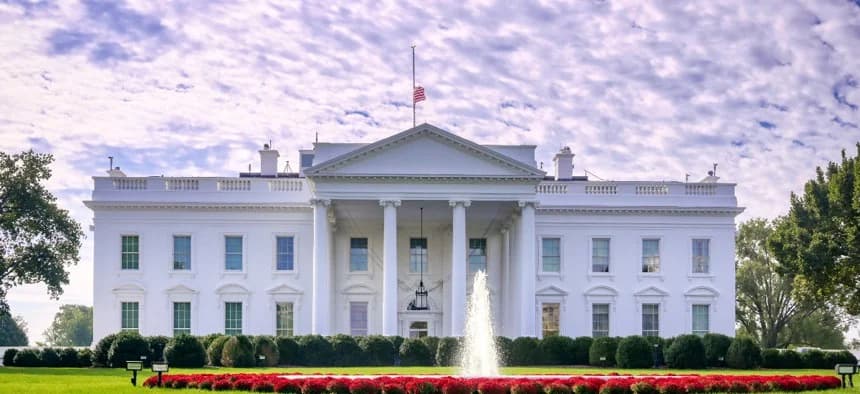
The District of Columbia is moving forward with its Grow DC FY2026 budget, a plan unveiled by Mayor Muriel Bowser on May 27, 2025, designed to spur economic activity, protect city services, and position Washington, DC as a hub for technology and innovation even as federal footprint and revenues shift. The plan emphasizes a growth agenda that seeks to attract new businesses, create jobs for DC residents, and maintain a balanced budget without new taxes. The announcement came as DC faced a forecasted revenue slowdown tied to federal job reductions, a reality that has loomed over planning for FY2026 and the years that follow. In the months since, the city has rolled out concrete investments, including targeted technology programs, education funding to sustain student outcomes, and infrastructure priorities that underpin a tech-enabled economy. The Grow DC budget is now codified through local budget acts and has begun the transition into implementation, drawing on a mix of local funds and strategic incentives to support tech startups, workforce development, and digital infrastructure. (dc.gov)
The DC administration frames Grow DC as a pragmatic, data-driven response to an evolving economy. Mayor Bowser has underscored that the city must “grow DC’s economy, rightsize government spending, cut red tape and make it easier to do business in DC,” while safeguarding essential services and education. The administration projects a multi-year plan that preserves core programs, reduces tax risk, and channels capital toward high-impact sectors, with technology positioned as a key driver of local prosperity. The city also highlighted a capital budget with a strong emphasis on schools, transportation, and WMATA contributions, all intended to bolster DC’s competitiveness in a technology-forward market. The budget remains subject to congressional review as part of the District’s unique home-rule framework. (dc.gov)
Opening: The news at a glance
- Who: Mayor Muriel Bowser and the DC Mayor’s Office, supported by the District’s Chief Financial Officer and the DC Council.
- What: The Fiscal Year 2026 Budget, branded Grow DC, which outlines growth-oriented investments, tax policy remain stable (no sales tax increase in FY26), and a programmatic emphasis on technology, education, and public services.
- When: Announcement on May 27, 2025; legislative actions followed through fall 2025, with local budget acts taking effect in late 2025 as part of the FY2026 cycle; the local budget act provisions began to take effect in October 2025 and December 2025 as the acts completed congressional review. (dc.gov)
- Where: Washington, DC, with citywide implementation across agencies, including DC Public Schools, the Department of Housing and Community Development, the Department of Technology and Innovation, and WMATA-related programs. (dc.gov)
- Why it matters: The Grow DC FY2026 budget is designed to sustain DC’s growth trajectory in a tighter federal funding environment, protect critical services, and seed a more dynamic technology economy. Key components include a DC Technology Ecosystem Fund, targeted business and housing investments, and education and safety enhancements intended to strengthen DC’s long-term competitiveness. The plan also reflects a broader shift toward growth-oriented governance in the face of evolving federal and regional dynamics. (dc.gov)
What Happened
Announcement and Context
On May 27, 2025, Mayor Bowser publicly presented Grow DC, her Fiscal Year 2026 Budget, describing a proactive approach to spur economic activity, create jobs for DC residents, and broaden revenue to support essential city services. The press materials framed Grow DC as a bold, proactive growth agenda designed to keep DC competitive in a shifting national economy. The story emphasized that DC would pursue growth without tax increases in FY26 and would focus on catalytic investments in education, infrastructure, and business attraction. The administration cited a February revenue projection from the Chief Financial Officer forecasting roughly a $1 billion revenue shortfall over four years, driven by the expected loss of tens of thousands of federal jobs and softer consumer spending. The plan, Bowser’s team argued, would position DC to weather the dip while continuing to fund core programs. (dc.gov)
“With this budget, we’re not waiting for change to happen – we’re making change happen. The Growth Agenda is about creating jobs for DC residents and generating the economic activity we need to keep DC a world-class city.” (dc.gov)
In addition to narrative framing, the May 27 release highlighted a mix of investments and policy moves aimed at anchoring growth while protecting education and public safety. The administration stressed that the FY26 budget would maintain essential services, preserve a balanced financial plan, and support a long-term economic recovery through a mix of investments in people, technology, and infrastructure. The messaging positioned Grow DC as a road map for a more vibrant downtown and a more resilient, tech-enabled economy. (dc.gov)
Key Provisions and Investments
The Grow DC FY2026 budget includes a series of targeted investments across education, public safety, infrastructure, and technology ecosystems, all designed to reinforce long-term growth while sustaining city services. Notably, the plan doubles down on technology as an economic development catalyst, while continuing to invest heavily in schools and public safety.
- Technology and startup ecosystem: The mayor’s plan injects a meaningful signal to the region’s tech sector. It includes funding to support accelerators and incubators for DC-based start-ups, and a dedicated fund to catalyze the technology ecosystem. A notable line item is the DC Technology Ecosystem Fund, intended to invest in startup tech companies in DC. The proposal earmarked funding to establish this fund, signaling a strategic shift toward cultivating local tech entrepreneurship. The budget also calls for sustained support of the DC Venture Capital Program, which had been launched earlier to leverage public and private dollars for early-stage tech companies in DC. The program’s continued support and growth were cited as a central element of DC’s growth agenda. These tech-forward investments align with the city’s broader aim to diversify the economy and attract high-growth industries. (dc.gov)
- Education and human services: The Grow DC plan prioritizes schools and early education. It earmarks substantial funding for DC Public Schools and DC Public Charter Schools, with per-student funding and teacher pay increases, reflective of the city’s emphasis on human capital as the foundation for growth. The plan also includes capital investments in school modernization and technology upgrades in classrooms, signaling a modernized, tech-enabled learning environment as a pathway to long-term workforce readiness. For context, the administration outlined: $2.8 billion for schools, a $270 million allocation for teacher pay raises, and multiple capital investments to modernize facilities. Technology investments within schools include a dedicated $10.7 million for technology equipment replacement and IT infrastructure upgrades. (dc.gov)
- Public safety and justice: The plan contains increases to pay for police and firefighting capacity, with investments in equipment and facilities to support safer neighborhoods and stronger emergency response. Highlights include a rise in police staffing and investments in technology used by law enforcement and emergency services, aligned with a technology- and data-driven approach to public safety. The Grow DC budget also outlines major capital investments for safety facilities and technology that enhance incident response and community safety. (dc.gov)
- Infrastructure and transportation: The budget emphasizes investment in transportation and related infrastructure to support a tech-enabled economy and increase quality of life for residents and workers. The capital plan includes hundreds of millions of dollars for WMATA-related improvements, road and bridge work, and modernized public spaces that support commerce and tourism. The plan also references major capital investments in transportation networks and related infrastructure to improve mobility and reduce congestion in an expanding economy. (dc.gov)
- Housing and economic development: The Grow DC proposal places a strong emphasis on housing production and economic development, including funding for housing production and development projects, neighborhood revitalization, and targeted incentives to attract and retain businesses. The plan references investments in housing preservation and production, as well as incentives to attract employers and stimulate local investment, all designed to complement the growth strategy. (dc.gov)
Timeline and legislative path
- The Grow DC plan was introduced publicly in May 2025 as the mayor’s FY2026 budget proposal. The plan’s presentation was accompanied by information sheets and related budget books that outlined the focus areas and investments. The administration also provided ward-by-ward investment details to illustrate how funds would be distributed across the city. The release included a Growth Agenda presentation and supplementary materials for readers who wanted to examine the specifics. (dc.gov)
- The local budget legal framework followed in 2025, with a Fiscal Year 2026 Budget Support Act introduced in May 2025 and enacted later in the year. DC’s budget process culminated in the adoption of the Fiscal Year 2026 Local Budget Act (Law 26-51), effective October 23, 2025, which adopted the local portion of the FY2026 budget. The act’s effective date and legislative history are documented in the DC Code and official registers. This act is part of the formal framework enabling the city to operationalize the local share of the FY2026 budget. (code.dccouncil.gov)
- A companion Budget Support Act (Law 26-55) followed, taking effect on December 6, 2025, and providing additional adjustments and authorities necessary to carry out the FY2026 budget. The law’s effective date and technical adjustments are outlined in district legal resources. Together, these acts complete the legislative framework required to implement Grow DC in FY2026. (code.dccouncil.gov)
- The local budget acts were complemented by ongoing oversight and reporting to Congress as part of the District’s home-rule process. The district’s budget typically requires a period of congressional review, a step reflected in the enacted laws and in the district’s official budget documentation. For context, the district’s budget and its review timeline are cited in the district’s law documents and in summaries produced by the district’s law library and budget offices. (code.dccouncil.gov)
Why it matters: Economic strategy and tech-market implications
Growth Agenda in a Changing Federal Landscape
Grow DC is framed as a deliberate pivot to grow the local economy when federal employment and federal funding cycles bear more influence on revenue streams. The budget’s Growth Agenda centers on making DC a more attractive place to locate startups, scale technology firms, and hire local workers, while balancing fiscal discipline against ambitious investments. The mayor’s messaging emphasizes the city’s commitment to a growth-oriented policy environment that can withstand shifts in federal activity, including the possibility of job erosion in the federal sector. The CFO’s revenue outlook — with projected revenue reductions tied to federal workforce changes — provides the backdrop for the strategy. This context helps explain why technology-focused investments are central to Grow DC and why a stable tax posture (no sales tax increase) is highlighted as a feature of fiscal prudence. (dc.gov)
- Quote from leadership reinforces the strategic posture: “The Growth Agenda is about creating jobs for DC residents and generating the economic activity we need to keep DC a world-class city.” This statement captures the signaling intent of the plan to local businesses, workers, and investors. (dc.gov)
Tech Ecosystem and Startups: A Local Market Perspective
A core piece of Grow DC is a targeted technology program framework, designed to bolster DC’s position as a regional tech hub. The DC Technology Ecosystem Fund, funded under the FY2026 budget, is a concrete step toward fostering incubators and accelerators that can help early-stage DC-based tech firms scale. The fund’s establishment signals a shift in city strategy from purely incentive-based recruitment to building enduring local capabilities that can support startup growth, venture activity, and technology job creation. In addition, the DC Venture Capital Program, which had been launched earlier to pair public investment with private funding, is intended to continue leveraging private capital to support high-potential tech companies in DC. The combination of these efforts reflects a broader trend in mid-2020s city budgets: knit together policy support and capital access to accelerate tech startup ecosystems. (dc.gov)
- The broader market context is relevant here: the DC tech ecosystem has been growing through public-private collaboration, with the city aiming to attract and retain tech talent and startups by providing targeted funds and incubator support. A 2025 industry analysis noted ongoing policy attention to tech ecosystems in DC, including incentives and programs designed to sustain early-stage companies. The Grow DC plan aligns with those trends by turning policy into tangible capital for the tech ecosystem. (dc.gov)
No tax increase in FY26: Policy stability amidst transition One of the notable policy signals in Grow DC is the no-tax-increase posture for FY26. The plan states that DC will not raise the sales tax in FY26 and maintains other tax-favorable adjustments to support business and residents amid a changing economy. This stance matters for the tech and business communities because tax policy predictability is a key factor in investment decisions. The administration also outlines targeted tax and fee adjustments intended to support local business activity and economic development while preserving essential revenue streams. The no-sales-tax-increase commitment is a concrete policy anchor in an otherwise complex fiscal environment. (dc.gov)
Education, Workforce, and Social Investments as Growth Enablers
Beyond pure technology funding, Grow DC allocates resources in education, workforce development, and social services to build the human capital that a technology-driven economy relies upon. The plan’s education investments — including $2.8 billion for DCPS and DCPCS with teacher pay raises and infrastructure modernization — are designed to produce a skilled, adaptable workforce ready to participate in higher-widelity tech jobs. The IT modernization and device upgrades within schools (a $10.7 million technology investment) are part of a broader objective to prepare DC students for a digitized economy. In parallel, housing and transportation investments aim to create the livable, connected environment that tech firms value when locating and expanding in a city. These integrated investments illustrate the District’s approach to growth: the state-of-technology economy requires a robust social and educational foundation. (dc.gov)
The Government’s Role in a Competitive Tech Market
The Grow DC budget is also a case study in how city governments attempt to balance services with growth objectives in a year of fiscal constraint. The 40,000+ potential federal job losses and related revenue implications raise questions about the long-term sustainability of growth initiatives. Still, the plan’s emphasis on strategic investments — such as the Technology Ecosystem Fund, the Venture Capital Program, and targeted workforce development — demonstrates a deliberate attempt to seed long-run competitiveness by creating local tech capability, supporting startups, and improving the quality of life for residents. This approach dovetails with district-level efforts to modernize infrastructure, expand broadband and digital services, and sustain safety and public health, all of which contribute to a stable environment for business and technology to thrive. (dc.gov)
Impacts on technology market trends in DC
- The Grow DC budget positions DC as a more intentional tech economy, with funds aimed at incubators, accelerators, and venture activity that can help startups scale within the District. This aligns with broader market trends in which cities increasingly deploy public-private investment tools to complement private venture capital and attract tech workers. The programmatic emphasis on tech-ecosystem funding signals to investors and entrepreneurs that the District is serious about being a destination for early-stage tech companies. (dc.gov)
- At the same time, the growth agenda acknowledges external risk factors, including potential federal policy changes and the broader macroeconomic environment. The plan’s emphasis on diversification, education, and infrastructure aims to create a more resilient local economy capable of weathering federal shifts. The ongoing congressional review process remains a critical checkpoint that could influence the timing and scope of some investments, but the local budget framework is designed to move forward with implementation. (code.dccouncil.gov)
What’s Next: Implementation and monitoring
Timeline and next steps
The Grow DC budget is now embedded in the District’s fiscal framework through the enacted local budget acts. The key milestones for FY2026 include the formal adoption of the Fiscal Year 2026 Local Budget Act (Law 26-51), which took effect on October 23, 2025, and the Budget Support Act (Law 26-55), effective December 6, 2025. These acts provide the authority for agencies to implement the budget and for the city to start executing planned investments, including technology ecosystem initiatives and education and infrastructure projects. The documentation and law texts confirm these times and dates, reflecting a structured transition from proposal to implementation. (code.dccouncil.gov)
- World-class city status depends in part on how quickly the DC government can operationalize the funds and translate policy into measurable outcomes. Ward-by-Ward investment sheets released with the budget outline illustrate how funding will be distributed at a granular level, enabling local communities to track progress and deliverables. The Ward-focused information is intended to enable more transparent oversight and to highlight equity considerations in distributing growth-related investments. (dc.gov)
- The district’s public-facing updates also point to ongoing reporting, performance dashboards, and program-level evaluations that will track the impact of the Grow DC investments on jobs, wage growth, startup formation, and technology adoption in city services. Readers and stakeholders are encouraged to monitor DC.gov releases and the Mayor’s Office communications for periodic updates on program performance. (dc.gov)
Next steps for residents, businesses, and technologists
- For technology firms and startups: Expect ongoing calls for accelerators, incubators, and venture-capital partnerships that can leverage the DC Technology Ecosystem Fund and related initiatives. The budget’s emphasis on tech-enabled growth signals a favorable environment for early-stage tech activity and collaborations with city programs that can help scale ventures locally. Prospective participants should keep an eye on DC’s Department of Small and Local Business Development (DMSLBD) and related agencies for application windows and eligibility criteria tied to Grow DC initiatives. (dc.gov)
- For educational and workforce developers: The education and IT modernization components indicate a clear opportunity to align curriculum, vocational training, and internship programs with the District’s technology and growth goals. Partners can anticipate requests for proposals related to urban tech literacy, digital inclusion, and IT infrastructure upgrades in schools and libraries as part of the FY26 plan. (dc.gov)
- For local residents and communities: Ward-by-Ward investments will shape community access to growth-related benefits, including housing production, public spaces improvements, and neighborhood business support. Residents should monitor announcements from the Office of the Mayor and the local budget portal for project timelines, procurement opportunities, and opportunities to participate in public engagement activities tied to the Grow DC implementation. (dc.gov)
Closing: Staying informed in a changing economy
The Grow DC FY2026 budget marks a deliberate shift in how the District aligns policy with a technology-forward growth strategy, balancing investments in people, infrastructure, and startups with a commitment to fiscal responsibility and service continuity. As DC moves through the implementation phase, readers should expect regular updates from city agencies, briefings from the Mayor’s Office, and period reviews by the Council and independent fiscal authorities. In a time of federal realignment and regional competition for tech investment, Grow DC represents the District’s attempt to anchor a more resilient, innovative economy in the heart of the nation’s capital. To stay aligned with the latest developments, follow official DC sources, including the Mayor’s page, the DC Council’s budget updates, and agency-level dashboards that track the progress of key initiatives such as the DC Technology Ecosystem Fund and ward-by-ward investments. (dc.gov)
As this budget enters its second year of implementation, observers and participants in DC’s tech, business, and educational ecosystems will be watching not only the headline numbers but also the on-the-ground outcomes: startup formation, job creation, higher levels of digital literacy, and improved city services enabled by smarter IT infrastructure. The next few quarters will be critical for translating Grow DC’s ambitious plan into measurable economic and social gains for DC residents. Stay tuned to official DC communications for periodic progress reports, program evaluations, and opportunities to engage with Grow DC initiatives as they unfold. (dc.gov)