Fourth of July National Mall Security 2026 Preview
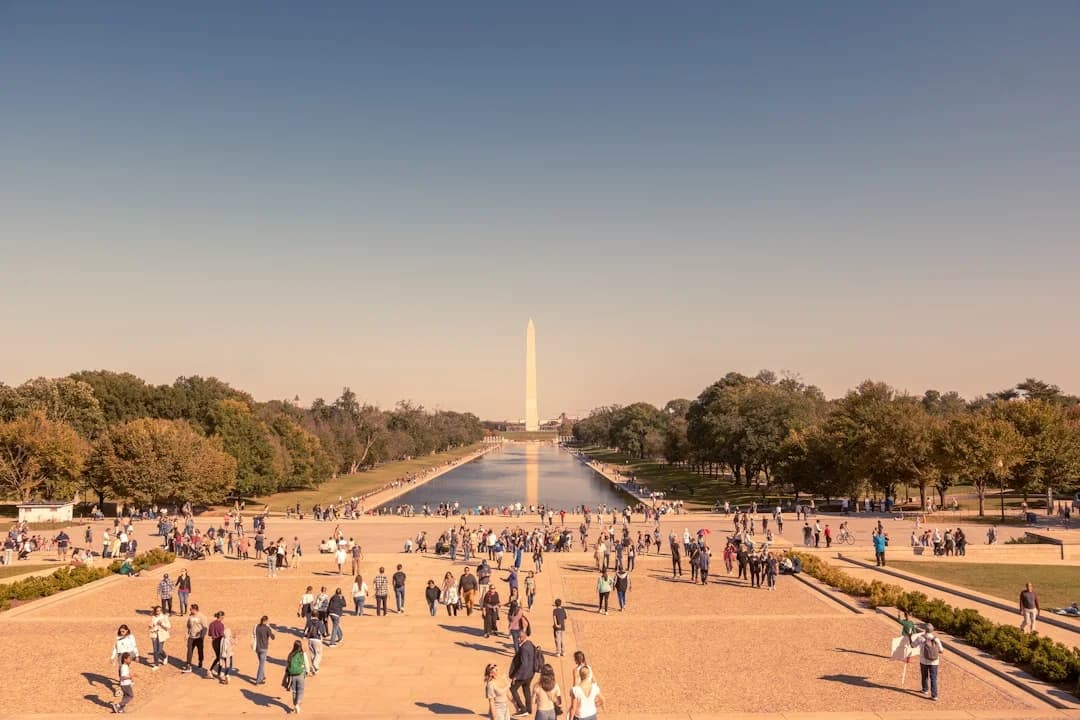
Photo by Samuel Girven on Unsplash
The Fourth of July National Mall security 2026 plan marks a historic shift in how the capital prepares for Independence Day celebrations. Department of Homeland Security officials designated the Washington, D.C. National Mall events as a National Special Security Event (NSSE), unlocking resources typically reserved for presidential inaugurations and other high-profile security operations. This designation signals a broad, coordinated posture involving federal, state, and local partners, with a focus on public safety, crowd management, critical infrastructure protection, and rapid response capabilities. For residents and visitors, the practical effect is tighter screening, more formalized access controls, and enhanced enforcement along the National Mall and surrounding parklands.
Officials emphasize that the NSSE designation is intended to reduce risk while preserving as much public access as possible. The Washington Post reports that federal law enforcement agencies and D.C. police are deploying a range of protective measures, including security checkpoints, road closures, anti-drone units, and specialized response teams, with tens of thousands expected to gather in the capital for the 250th anniversary celebration. The shift also comes with comprehensive public messaging about closures, transit options, heat preparedness, and safety tips intended to keep crowds safe during what organizers say will be the largest Fourth of July fireworks display in history. (washingtonpost.com)
As the city counts down to the main events on Saturday, July 4, 2026, the National Mall and Memorial Parks system—backed by the U.S. Secret Service, FBI, Coast Guard, and other partners—has published a series of notices detailing closures, access limitations, and security zones. The National Park Service (NPS) is controlling parklands and vehicle access, implementing security barriers, and coordinating with federal authorities to enforce a difficult, interdependent security plan designed to accommodate large crowds while safeguarding attendees. The messaging so far suggests a careful balance: increased security and restricted space in some areas, but still a planned, highly visible public celebration marking America’s 250th birthday. (nps.gov)
Opening up the conversation to immediate impact, city officials and federal partners have underscored that preparations extend beyond the Mall itself. Mayor Bowser and public safety officials held a preparedness briefing to outline resources available to residents and visitors, including public safety measures, cooling centers, and travel guidance. The briefing, scheduled for late June, highlights a coordinated posture across multiple agencies and sets expectations for traffic patterns, transit advisories, and real-time safety updates during the holiday period. (mayor.dc.gov)
Section 1: What Happened
NSSE Designation and Unified Security Posture
National Special Security Event designation
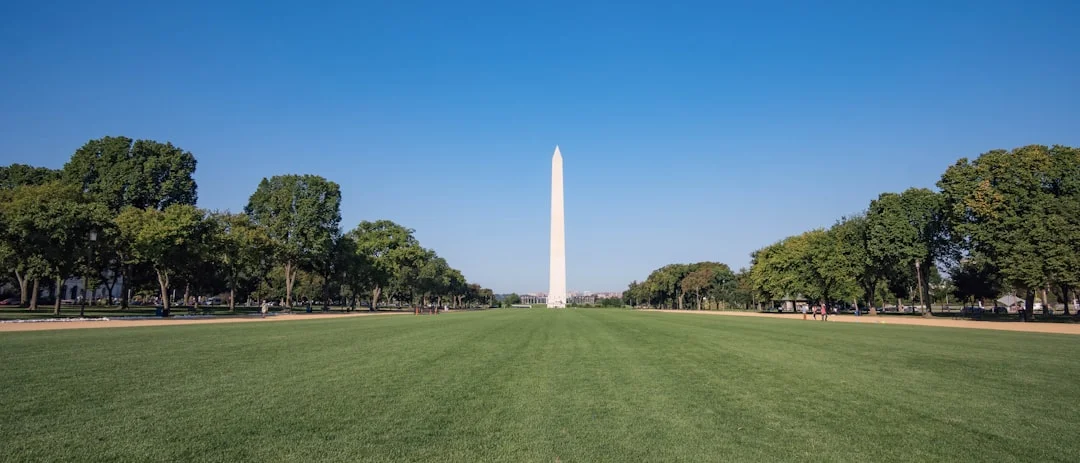
For the first time in its history, the Independence Day celebration on the National Mall has been designated an NSSE by the Department of Homeland Security. This elevated status aligns the Mall event with security protocols historically reserved for presidential inaugurations and other major national events. The designation triggers a comprehensive, multi-agency security posture and access controls designed to protect attendees while enabling a large-scale, publicly accessible celebration. Washington Post reporting confirms the NSSE status and outlines the security implications, including intensified screening and resource deployment across federal and local lines. The designation is a signal of the administration’s priority on crowd safety, protective countermeasures, and incident response readiness on July 4. (washingtonpost.com)
Coordinated agency actions
The NSSE framework engages federal law enforcement, the U.S. Secret Service, FBI, Coast Guard, D.C. Metropolitan Police, and other partners, with public safety operations planned across the National Mall and adjacent parklands. The Washington Post notes the deployment of security checkpoints, road closures, anti-drone capabilities, and specialized response teams—elements designed to deter and respond quickly to potential threats while managing mass attendance for the 250th anniversary celebration. This multi-agency coordination is central to ensuring that the event remains accessible to the public yet controlled in terms of risk. (washingtonpost.com)
Park Closures, Access Changes, and Timelines
Designated closures and public access limits
The National Mall and Memorial Parks system has issued notices about temporary closures and public-use limits tied to the NSSE event. Starting in early July 2026, designated parklands will implement closures and fencing to delineate event spaces and operational zones. The notices explain that these measures are standard for NSSE-style events and are intended to maximize public access where possible while ensuring security. For travelers and locals, this means planned pedestrian routes, restricted vehicle access in key corridors, and checkpoints at primary entry points. (nps.gov)
Specifics of the GASF and FIFA event timelines
A critical portion of the security and access plan concerns the Great American State Fair (GASF) and related festival activities, which occur in the weeks surrounding the Fourth of July. The National Mall segment that hosts the fair is subject to staged openings and closures—openings begin June 11, 2026, with a detailed schedule that includes multiple daily windows during which the site is accessible, interspersed with partial closures for event logistics. A subsequent full closure to public access is in effect during peak event days and around the fireworks program, with times spanning from mid-June through mid-July and specific evening closures on July 4. This schedule is designed to support event operations and security while still allowing portions of the Mall to remain open at designated times. (nps.gov)
Salute to America and fireworks-specific restrictions
The Salute to America and Grand Fireworks Show, part of the Fourth of July celebration continuum, has its own set of park closures and public-use restrictions. NPS notices detail the closure of select parklands around the White House, National Mall, and adjacent parkways, with security barriers and a phased approach to public access. Public-facing guidance notes the start of certain closures around July 3, 2026, and continuing through July 4 and into July 5, depending on the specific segment and security posture for the events. The aim is to maintain crowd safety and ensure the security apparatus remains effective for the NSSE-level event. (nps.gov)
Access guidance and transportation adjustments
As part of the security apparatus, authorities emphasize transportation planning and access to the Mall by public transit and walking routes, with clear guidance that vehicle access will be restricted in many core zones during peak event times. The official event pages encourage riders to utilize public transportation where possible, and they provide maps and route adjustments to help residents and visitors plan around closures and security checkpoints. This guidance is echoed by city leadership and public safety communications. (home.nps.gov)
Immediate Data Points and Observations
Security posture and crowd expectations
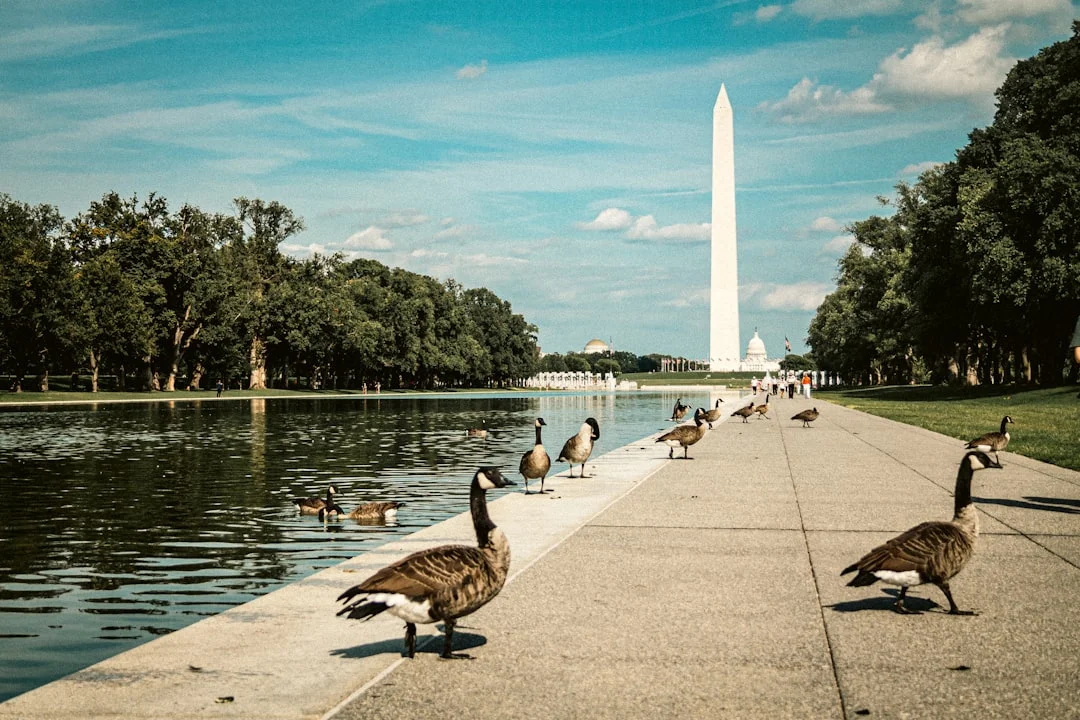
Officials project heavy crowd presence for the 250th anniversary celebration, with security professionals preparing for large attendance on the National Mall. The Washington Post references tens of thousands of anticipated attendees and notes that the NSSE designation unlocks the full resources of federal and local law enforcement. While specific threat assessments are not disclosed publicly, the high-profile designation implies a robust, layered defense strategy, including technology-enabled surveillance and rapid-response capabilities. (washingtonpost.com)
Temperature and weather considerations
As part of the operational planning, weather and heat preparedness are prominent in official communications. The National Mall event planning materials highlight safety considerations in extreme heat, including cooling centers and water resources, essential for maintaining public safety during high-temperature conditions on July 4. The broader security plan anticipates weather-related contingencies as part of a comprehensive public-safety posture. (washingtonpost.com)
Section 2: Why It Matters
Public Safety Excellence: Public-Wide Implications
A new standard for mass gatherings in the capital

The NSSE designation for Fourth of July events on the National Mall represents a strategic elevation in how the capital organizes and executes large-scale celebrations. This approach centralizes security command and control, enabling rapid coordination among federal agencies, local law enforcement, and emergency management. For residents and visitors, the implication is a more predictable security framework, albeit with heightened screening and restricted access in certain areas. The National Mall security posture mirrors practices seen at other NSSE-designated events and inaugurations, signaling a new normal for major public gatherings in the District. (washingtonpost.com)
Balancing access with protection
Officials stress the challenge of balancing public access with rigorous security. Notices from the National Mall and Memorial Parks emphasize that closures are necessary to provide security barriers and safe spaces for viewing events, while also ensuring that as much parkland as possible remains accessible. Public communications stress that visitors should plan for longer security lines, adhere to posted entry points, and allow extra time to move between viewing areas. This balance is a core element of the data-driven planning process guiding Fourth of July security in 2026. (nps.gov)
Multi-jurisdictional coordination and risk management
The security plan hinges on strong collaboration across jurisdictions. Federal agencies, including DHS, FBI, and the Secret Service, coordinate with D.C. Police and local emergency management officials to implement a layered defense: physical barriers, screening checkpoints, air-space security measures (including anti-drone capabilities), and a well-defined incident command structure. News coverage and official briefings highlight that this is a notable shift for a holiday with historically heavy pedestrian traffic and large-scale fireworks. The integrated approach aims to minimize disruptions while maximizing resilience against potential threats. (washingtonpost.com)
Economic and tourism considerations
Heightened security inevitably intersects with tourism flows, local business operations, and transportation patterns. While the NSSE designation adds a layer of prestige and safety, it also introduces temporary closures and capacity limits that can affect nearby businesses and transit usage. City and federal officials have acknowledged the need to communicate clearly with residents and visitors to manage expectations and to provide safety resources and guidance. Observers and local outlets have noted the broader implications for curbing risk while sustaining public engagement in a landmark anniversary celebration. (washingtonpost.com)
Who Will Be Affected
Attendees and spectators
The primary beneficiaries of a rigorous security posture are the attendees—spectators waiting for flyovers, concerts, and the grand fireworks show. The NSSE framework and the staged closures are designed to manage crowd flow, prevent congestion, and enable safe egress in case of weather or security contingencies. In practice, this means attendees may encounter check points, reduced access corridors, and structured viewing zones, but still have access to the major events and the Mall’s public-viewing opportunities as designed by event planners. (washingtonpost.com)
Local residents and commuters
Residents and daily commuters face changes to traffic patterns and parking, particularly in areas around West Potomac Park and the Mall’s approaches. City announcements emphasize that road closures will be in effect in specific zones, with official guidance on transit options and alternate routes. The joint communications from the Mayor’s office and public safety agencies stress the importance of staying informed about changes to transit lines and road closures during peak event times. (mayor.dc.gov)
Businesses and service providers
Local businesses near the Mall and surrounding corridors may experience fluctuations in customer footfall and access limitations due to security staging and event operations. The presence of large-scale crowds and the NSSE designation typically prompts heightened security presence, which can influence operating hours, staffing decisions, and customer access. City and park officials encourage businesses to monitor official updates and adjust plans according to posted security and access guidelines. (washingtonpost.com)
Section 3: What’s Next
Timeline and Next Steps
Immediate milestones in the security timeline
- NSSE designation announced in mid-May 2026, triggering enhanced security posture for the National Mall’s Fourth of July celebrations. This designation is expected to unlock a broad set of resources and operational protocols across federal and local agencies. Public safety planning continues through the summer, with agencies coordinating on threat assessments, crowd management plans, and contingency strategies. (washingtonpost.com)
- Public-facing notices outlining park closures and security zones began to be published in late May and early June 2026. These notices detail staggered access windows, with specific times for park openings, partial closures, and full closures on peak event days. The notices emphasize that security zones will affect West Potomac Park and adjacent viewing areas. (nps.gov)
- July 4, 2026 remains the central event day, with a multi-phase security plan that includes checkpoint operations, vehicle access controls, and a lawful use of security barriers to create safe viewing corridors. Public guidance continues through early July with transportation and safety advisories. (washingtonpost.com)
Ongoing coordination and updates
Public safety leadership has signaled that updates will be issued through official channels as conditions evolve—especially in response to weather, crowd dynamics, or security developments. The Mayor’s Office and DC homeland security partners are expected to provide frequent briefings and updated maps to help residents and visitors navigate the security landscape. The ongoing coordination aims to ensure that critical city services remain available and that emergency response pathways stay clear during peak moments. (mayor.dc.gov)
What to watch for in the weeks ahead
- The final layout of viewing zones and the precise locations of checkpoints are expected to be published closer to the event date. These details will shape how spectators access the Mall, where lines form, and how long it may take to move between major venues such as performances, the Flyovers, and the fireworks show. The official event sites and the National Mall park notices will be the primary sources for this information. (nps.gov)
- Weather-related contingency plans and cooling resource deployment will be critical to ensuring crowd safety in the heat. The event organizers have highlighted heat preparedness as a core component of public safety messaging, with cooling centers and water resources highlighted in official guidance. (washingtonpost.com)
- Any security-related developments, including potential changes to search procedures or restrictions on specific zones, will be communicated through official channels and local media outlets. The NSSE designation implies that security posture could adapt rapidly in response to evolving risk assessments. (washingtonpost.com)
Closing
As District of Columbia readers consider attending the Fourth of July festivities this year, the news is clear: Fourth of July National Mall security 2026 reflects a deliberate, data-driven shift toward heightened protection while preserving as much public access as possible. The NSSE designation and the comprehensive multi-agency security plan set a high bar for event safety, with concrete measures such as security checkpoints, corridor closures, and drone defense capabilities expected to shape the experience for attendees. City and federal officials emphasize that the aim is to deliver a safe, celebratory experience that honors the nation’s 250th anniversary without compromising on readiness or responsiveness.
For the latest, readers should follow official channels from the National Mall and Memorial Parks, the Mayor’s Office, and federal partners. Updates to closures, entry points, and routes are typically posted in the days and weeks leading up to July 4, and enhanced guidance will be available on event websites and DC government pages. By staying informed and planning ahead—checking security advisories, transportation options, and cooling resources—residents and visitors can participate in the celebrations while contributing to a safe and orderly experience along the National Mall.
The DC community and its visitors have a long history of adapting to large-scale public events, and this year’s celebration continues that tradition. Given the NSSE designation and the scale of security operations, the Fourth of July National Mall security 2026 plan will remain a moving, data-informed effort—one that prioritizes safety, transparency, and accessibility as America marks a milestone in its history. As organizers continue to refine the plan, the public is encouraged to monitor official announcements, heed posted guidance, and approach the National Mall with patience and preparedness for a remarkable national celebration.