Federal government shutdown February 2026: Impacts & Trends

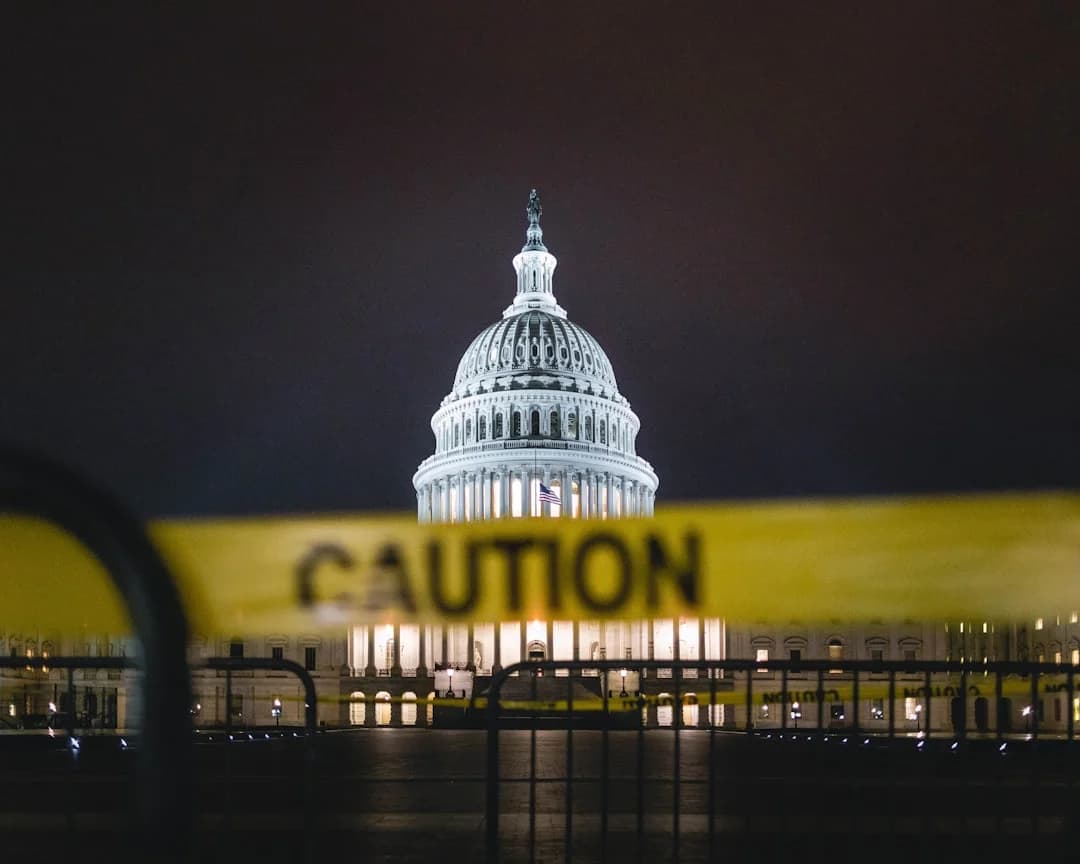
Photo by Andy Feliciotti on Unsplash
The District of Columbia Times presents a data-driven snapshot of the federal government shutdown February 2026, focusing on technology and market trends. As the United States confronted a brief but consequential funding lapse, DC readers faced a mix of operational disruptions, policy tensions, and shifting investment signals. The event underscores how government funding cycles can ripple through the tech sector, financial markets, and public services, even when the majority of federal operations remain funded. The core question for readers is: what did this shutdown mean for technology infrastructure, federal IT priorities, and market dynamics in early 2026, and what should stakeholders watch next?
In February 2026, lawmakers wrestled over a funding package that would keep most agencies open while carving out a temporary path for the Department of Homeland Security (DHS). The episode ended up in a narrow, bipartisan vote and a signing by the president, but not before a two-week continuing resolution kept DHS funded at current levels for a short window. Reports and analyses from major outlets and professional associations traced a path that included a brief lapse in DHS funding, a two-week funding extension for the department, and renewed negotiations that could set the tone for immigration enforcement policy and homeland security operations in the months ahead. The immediate economic data published around this period also linked the shutdown to slower growth in late 2025 and early 2026, providing a sobering context for ongoing fiscal policy debates. (theguardian.com)
What Happened
Triggering events and funding gaps
The February 2026 funding standoff centered on DHS and a broader set of fiscal year 2026 appropriations. After months of debate, the House and Senate reconciled most of the FY2026 bills, but concrete DHS funding remained a flashpoint due to policy disagreements over immigration enforcement and related reforms. Late in the week, Democrats blocked a comprehensive DHS bill, making a lapse in DHS funding likely unless a stopgap measure passed. The situation culminated in a partial government shutdown early in February, with DHS agencies facing funding gaps while the rest of the federal government remained funded under a continuing resolution. This sequence reflected the high-stakes politics surrounding immigration enforcement and homeland security, as lawmakers weighed incremental policy concessions against the need to avert a broader shutdown. (theguardian.com)
Key dates and timeline
- February 3, 2026: A binding step toward resolution occurred when the House passed (217-214) a bipartisan funding package that, for most agencies, funded operations through September 30, 2026. DHS, however, received funding only through February 13, creating a two-week bridge intended to keep the department operational while policy negotiations continued. President Trump signed the package later that day, formally ending a prior period of funding lapse for most agencies while maintaining a temporary DHS funding path. This development was captured in major outlets and official-related summaries. (theguardian.com)
- February 12–14, 2026: Senate action and escalation of the impasse around DHS funding. Reports indicate a renewed stalemate over guardrails on immigration enforcement within DHS, with Democrats demanding reforms before broader DHS funding would be extended. As a result, a new phase of funding gaps appeared, setting the stage for a second, shorter-dimensional disruption focused on DHS. (theguardian.com)
- February 13–18, 2026: A renewed DHS lapse and partial shutdown period, linked to the expiration of the two-week CR for DHS and ongoing negotiations over immigration policy. Media coverage described the DHS shutdown as partial, with wider federal operations largely continuing under the prior funding framework, but specific DHS services and staffing at risk as the department operated under constrained funding. The period drew attention from federal agencies, lawmakers, and industry observers as a test case for how policy tradeoffs translate into operational realities. (theguardian.com)
- February 18, 2026: End of the DHS partial shutdown, tied to new funding legislation that extended DHS funding for a further period while negotiations on immigration enforcement continued. Reports indicated that a two-week continuing resolution helped reopen DHS at current funding levels, reducing near-term disruption but preserving the political fight over border policy. This endpoint was described by outlets tracking the latest congressional actions and presidential signings. (theguardian.com)
Agency-specific impacts
The DHS footprint—encompassing agencies such as the Transportation Security Administration (TSA), the Federal Emergency Management Agency (FEMA), and the U.S. Coast Guard—was the focal point of operational risk during the shutdown. Headlines and internal briefings highlighted the potential for TSA passenger screening delays, disrupted disaster response capacity, and delays in border management programs. Notably, FEMA’s disaster operations and travel assignments faced tighter controls as budgetary constraints and policy directives intersected at DHS, even as certain essential functions remained funded through prior appropriations or temporary arrangements. Contemporary reporting underscored that DHS was at the heart of the disruption, with broader government operations largely preserved by the funding package for non-DHS agencies, at least in the short run. (theguardian.com)
Beyond DHS, other agencies and programs saw varied spillover effects. Some health and science funding, for example, remained protected in the omnibus appropriations, but the temporary funding pauses and uncertainty affected planning cycles, contracting, and the pace of IT modernization efforts within federal laboratories and grant programs. Industry groups and professional associations mapped the downstream effects on IT procurement cycles, cybersecurity investments, and academic collaborations that depend on federal support. In this context, the partial shutdown’s timing mattered for technology deployments, grant cycles, and mission-critical projects—particularly those tied to health, environment, and infrastructure resilience. (agd.org)
Why It Matters
Economic impact and tech sector implications

Economists pointed to a broader macroeconomic backdrop in which even a short, targeted funding lapse can leave noticeable footprints. The fourth-quarter 2025 GDP release tied a six-week government shutdown to a notable drag on growth, with government outlays plunging and consumer activity sustaining momentum in parts of the economy. The report underscored that government spending gaps can reverberate through the tech sector—especially data centers, cloud providers, and AI-related investments—by delaying procurement, delaying grant-funded research, and dampening business plans that rely on predictable government funding. The data helped frame expectations that the February 2026 events, while short in duration, could have non-negligible knock-on effects on technology investments and market confidence. (apnews.com)
Market observers highlighted how the shutdown cycle intersects with venture activity, corporate budgeting, and public-sector IT modernization programs. An industry view linked AI and data-center investment to resilience during periods of fiscal uncertainty, suggesting a near-term pivot toward core, mission-critical IT spend rather than discretionary projects. In practice, this can translate into tighter oversight on IT contracts, extended procurement lead times, and a preference for vendors with proven public-sector experience and security clearances. These dynamics matter for local technology ecosystems, including the District of Columbia metropolitan area, where public-sector technology spending and federal procurement can be meaningful drivers of demand for software, cloud infrastructure, and cybersecurity services. (barrons.com)
Public services and DC-area implications
For the District of Columbia and neighboring jurisdictions, the shutdown’s DHS portion created distinct service considerations. TSA, FEMA, and Coast Guard operations bear particular relevance to residents and travelers in the region, given the proximity to major airports and federal facilities. In practical terms, travelers could experience longer wait times, while disaster-response readiness remained a priority for local emergency management offices coordinating with federal partners. The interplay between federal funding decisions and local service levels is a reminder that the DC metro area often serves as a barometer for national budget and policy debates, given its dense concentration of federal workplaces, contractors, and government contractors. Public-health grant programs and environmental monitoring budgets also matter for the capital region’s research and public-service communities. (washingtonpost.com)
Market and investment signals
From an investment standpoint, the February 2026 shutdown episode reinforced a recurring theme: policy uncertainty can influence capital allocation in technology and related sectors. The GDP data and subsequent market commentary suggested the economy could rebound once funding stabilized, but investors closely watched the pace and scale of government spending, as well as any shifts in immigration and homeland security policy that could affect the deployment of technology in public safety, border management, and critical infrastructure protection. Those signals interact with corporate earnings, government contractor indices, and public-market expectations for AI, cloud, cybersecurity, and energy-efficient data-center initiatives. Analysts highlighted a need to distinguish between near-term volatility and longer-run secular trends in federal technology spending as agencies continue multi-year modernization programs. (barrons.com)
What’s Next
Next steps for DHS funding
The February 2026 events made clear that DHS funding remains a live policy point, with immigration enforcement policy and civil-liberties guardrails at the center of negotiation. The two-week continuing resolution extended DHS funding while lawmakers continued to negotiate guardrails and oversight reforms. As of mid-February, observers anticipated another round of negotiations and potential supplemental funding discussions to address both security operations and the humanitarian/legal dimensions of enforcement programs. For technology and IT procurement, this meant a waiting game for agencies with DHS components, as contract timelines, staffing levels, and interagency IT projects could be adjusted in light of the ongoing policy dialogue. Industry groups argued for predictable funding to avoid cascading delays in modernization programs, cybersecurity upgrades, and critical mission systems that rely on DHS continuity. (theguardian.com)
What readers should watch for
- DHS policy changes and guardrail reforms: The central political question remains whether immigration enforcement policy gains new oversight or administrative procedures that could alter DHS program design, procurement, and collaboration with public- and private-sector IT providers. Stakeholders should monitor legislative language in committee reports and any executive-branch guidance related to DHS IT modernization. (theguardian.com)
- DHS funding timelines and outcomes: Watch for the next funding package and any two-week or longer-term extensions that could affect TSA, FEMA, and Coast Guard operations. If a longer-term DHS package passes, it could reduce friction for operational continuity and IT modernization planning. (theguardian.com)
- Broader budgetary context: The DC-area tech ecosystem should stay attuned to how ongoing appropriations affect federal grant programs, research funding, and procurement cycles. Analysts expect a rebound in government-spending momentum once funding is stabilized, which could provide a more favorable environment for public-sector technology vendors and research partnerships. (apnews.com)
- Market indicators tied to policy shifts: Investors and corporate planners should track government-adjusted IT budgets, contract authorizations, and the speed of funding disbursement for large federal programs, particularly in health IT, cybersecurity, and AI-related infrastructure. Industry observers suggest a cautious but resilient market path as federal spending realigns with post-crisis priorities. (barrons.com)
Real-World Impacts on Technology and Markets
Government IT modernization and cybersecurity budgets

The February 2026 funding episode underscores how sensitive federal IT modernization initiatives can be to the timing of appropriations. Agencies rely on multi-year procurement commitments for cloud services, data-center modernization, and cybersecurity upgrades. When funding lags or political stalemates emerge, contract awards and deployment timelines can slip, potentially impacting agencies’ ability to modernize critical systems, protect sensitive data, and accelerate cloud adoption. Observers note that a stabilized funding environment is essential for ongoing cybersecurity resilience initiatives, given the rising threat landscape and the expanding use of AI and data analytics in mission-critical contexts. (agd.org)
Disaster response and resilience tech
The DHS footprint’s operational disruption has direct implications for disaster response and resilience technologies. FEMA’s disaster-relief operations, GIS mapping, and predictive analytics rely on timely funding and intergovernmental coordination. When funding is uncertain or temporarily constrained, the ability to deploy new software platforms, emergency management dashboards, and interoperable communications systems can be affected. In the wake of severe winter storms and subsequent disaster declarations, the policy debate around DHS funding takes on added importance for regional and national resilience planning. (washingtonpost.com)
DC-area economic dynamics and local media
For the District of Columbia economy and jobs market, the shutdown episode translated into immediate attention to the health of federal staffing, federal contractor activity, and regional business sentiment. The DC metro area benefits from the spillovers of federal IT modernization programs, research funding, and procurement activity. Analysts watching the February 2026 events noted that a prompt resolution of DHS funding and broader appropriations would help restore predictable demand for local tech services, cyber-defense contractors, and consulting firms that support federal agencies. (apnews.com)
Closing
The federal government shutdown February 2026 illustrated how a targeted funding lapse—centered on the Department of Homeland Security—can ripple through technology investments, public services, and regional markets even when many agencies remain funded. The episode also reinforced the connection between immigration enforcement policy, homeland security operations, and IT modernization budgets, shaping a complex backdrop for technology vendors, federal researchers, and DC-area stakeholders. As lawmakers continue to negotiate and refine funding arrangements, readers should monitor the DHS funding timeline, any new guardrails for immigration enforcement, and the broader fiscal policy environment that will influence tech investments, procurement cycles, and public-private collaborations in the coming months.
Stay tuned as we continue to provide data-driven updates on the federal government shutdown February 2026, with clear timelines, verified dates, and actionable context for policymakers, technologists, and market participants in the District of Columbia and beyond. For ongoing coverage, we will highlight agency-specific developments, procurement implications, and the evolving relationship between security policy and technology strategy. (theguardian.com)