Federal government shutdown 2026: DC Tech Recap
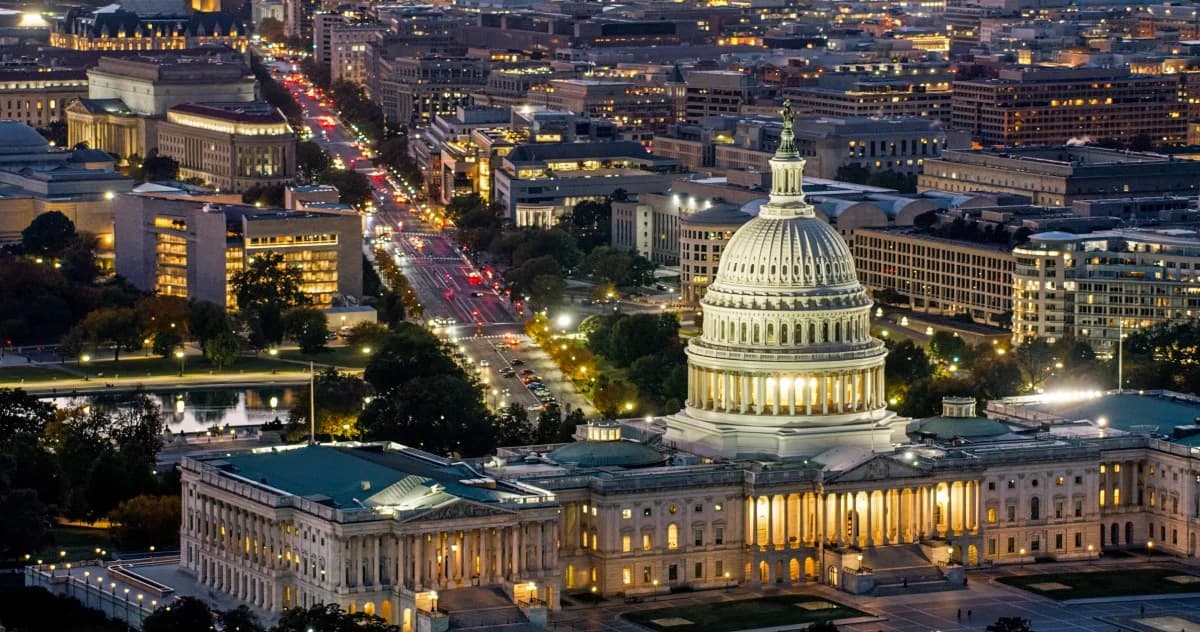
The Federal government shutdown 2026 unfolded as a defining moment for how Washington negotiates funding, immigration policy, and the technology and market ecosystems that run in and around federal operations. In the District of Columbia, the tension was palpable: a high-stakes, data-driven clash over Department of Homeland Security funding that left many analysts watching a looming disruption to core operations while others warned of cascading consequences for contractors, IT programs, and federal workers. The episode highlighted a central truth for DC’s tech and policy communities: budget battles at the Capitol don’t stay contained on the Hill. They ripple through procurement cycles, cloud contracts, and the modernization timetable that many agencies depend on to secure data, safety, and service delivery. This recap breaks down what happened, what it means for technology and markets, and what leaders should be watching next. The timeline, the players, and the data points matter for anyone who missed the headlines but needed to understand the stakes of the Federal government shutdown 2026. (theguardian.com)
Event Highlights
A high-stakes fight over DHS funding and the policy guardrails around immigration
- The core battleground: funding for the Department of Homeland Security, with Democrats pressing for reforms around immigration enforcement and governance, including body-worn cameras and arrest warrants for certain operations. The late-week stalemate and the consequential policy demands underscored how the shutdown risk grew not merely from budget numbers, but from policy conditions attached to funding. The Guardian’s reporting framed this as a confrontation over governance as much as dollars, noting that Democrats sought “new restrictions on federal immigration agents” and that lawmakers left Washington without resolution as talks stalled. A subsequent shift in strategy would later shift attention to a two-week stopgap as talks continued. (theguardian.com)
- The Minneapolis shootings as a catalyst: The events surrounding the January Minneapolis incidents (the killings of Alex Pretti and Renée Good by federal agents) became a flashpoint for the policy debate. Reports describe how those incidents intensified Democrats’ push for reform and for enforceable guardrails in immigration operations, ultimately complicating the funding package and extending the impasse. The broader takeaway for the tech and markets lens is that real-world events can dramatically reframe funding debates and, in turn, the IT and security programs tied to DHS and related agencies. (theguardian.com)
- The scope of disruption: The partial shutdown’s reach was confined largely to DHS agencies, with the TSA, FEMA, and Coast Guard among the most affected operationally. Importantly, ICE and CBP—the core immigration enforcers—carried forward much of their activity due to pre-existing funding, while other functions within DHS faced the risk of disruption. This division of impact underscored how agency-specific funding decisions shape the daily rhythm of federal operations and the contractors who support those missions. (washingtonpost.com)
The political arithmetic around a DHS-focused shutdown
- The Thursday-vote dynamic and party-line divisions: Late January into February showed lawmakers wrestling with whether to fund DHS through a continuing resolution while handling the broader policy guardrails Democrats wanted. The Guardian’s live-style coverage and Washington Post reporting captured the sharp partisan lines and the strategic use of procedural votes, highlighting how the House and Senate navigated a path toward avoiding a full-year lapse for the department. The political calculus became central to decisions on timing, votes, and the leverage each side could claim going into negotiations. (theguardian.com)
- The turning point and the eventual deal: After a tense stretch, leadership and negotiators arrived at a three-bill package plus a continuing resolution to keep the government open for most agencies while DHS funding lingered in a separate track. The House ultimately passed a $1.2 trillion funding package to end the shutdown, sending it to the president for signature. The bill’s narrow 217-214 margin and the political theater around who supported or opposed the measures illustrate how fragile consensus remained even as funding moved forward. This event marked a decisive inflection point in the Federal government shutdown 2026 narrative. (theguardian.com)
Section 1: Event Highlights (in themes)
Key moments from the DHS funding standoff
The impasse over guardrails and oversight
- The core sticking point: Democrats demanded tighter controls on immigration enforcement, including body cameras and a code of conduct for agents, before they would support DHS funding. Republicans resisted adding federal-employee identification mandates and other changes that would broaden oversight. The public framing of these demands—paired with the ongoing investigations and public concern about enforcement tactics—made it difficult to reach a quick bargain. The Guardian captured the sense of urgency and the specific policy lines that defined the stalemate. (theguardian.com)
The federal workforce and operational continuity
- DHS employs a vast workforce with a broad mission footprint, and even in a partial shutdown, the majority of essential functions are designed to continue. The Washington Post summarized how 13 percent of the federal civilian workforce would be affected by the lapse, while most DHS employees were still expected to work under emergency plans. The practical reality for DC-based tech vendors and federal contractors is that the procurement and program schedules they rely on can be disrupted even if the core mission lines are preserved. (washingtonpost.com)
The two-week stopgap as a bridge to talks
- As talks stalled, negotiators resorted to a two-week stopgap to buy time for a broader agreement while attempting to prevent a complete shutdown of the government. This approach, used in prior episodes, reflected the persistent difficulty of reconciling policy demands with funding needs. Coverage at the time framed the stopgap as a breathing space rather than a final settlement, signaling ongoing debates over DHS funding and reform. (washingtonpost.com)
Section 2: Key Takeaways (insights)
Core themes for technology, markets, and policy
Data-driven governance matters for security operations

- The incident underscored that data quality, governance, and oversight are central to the public’s trust in security operations. The push for body cameras, warrants, and clear codes of conduct reflects how policy design, transparency, and accountability can influence not only public safety outcomes but also the technology stack that agencies deploy for oversight, incident response, and interagency data sharing. The Guardian’s reporting on the reform terms and the policy framing provides a vivid lens on how tech assumptions—like camera deployment and identity verification—become part of the funding calculus. (theguardian.com)
Budget volatility reshapes federal tech programs and contractor markets
- The shutdown episode reminded stakeholders that tech modernization and IT security programs hinge on stable funding. When funding gaps appear, major modernization efforts—from cloud security to data integration across DHS components—face delays or scope reductions. The Washington Post’s coverage of the partial DHS shutdown underscored the operational strain on frontline agencies and the likely knock-on effects for contractors who support IT infrastructure and cybersecurity operations. These dynamics highlight why DC-based tech firms monitor Congress not just for appropriations totals, but for the policy guardrails that accompany them. (washingtonpost.com)
Political dynamics can override structural readiness
- Even though DHS had long-planned continuity operations, political conditions around immigration enforcement reshaped the funding path. The end result—a large funding package to reopen the government—demonstrated that political consensus can override operational preparedness when stakeholders tie funding to reforms. The Guardian’s coverage of the final vote and the accompanying public statements illustrate how leadership messaging, not just numbers, determines whether a package can pass. This has clear implications for technology vendors who must plan for policy-driven changes that affect procurement cycles, risk management, and contract terms. (theguardian.com)
Section 3: Notable Quotes & Moments (highlights)
Memorable quotes and reactions
Quotes from major players
- “What Democrats want is exceedingly commonsense.” — Senate Minority Leader Chuck Schumer, on the DHS funding debate, captured by The Guardian during the pivotal floor moment. This concise line underscores the Democrats’ framing of reform and accountability as central to any funding agreement. (theguardian.com)
- “They need to negotiate in good faith, produce legislation that actually reins in ICE and stops the violence.” — Senate Majority Leader Chuck Schumer, reflecting the tense postures around oversight and enforcement. The Guardian’s coverage situates this as part of the broader negotiation dynamics that defined the period. (theguardian.com)
- “Americans from every corner of the country are demanding accountability and an end to the lawless, paramilitary tactics that ICE is using in our communities.” — A paraphrased articulation of House Democratic messaging tied to the DHS funding fight; the framing and emphasis were captured in Guardian reporting of party-line tensions around DHS funding, with the essential point that oversight reform was inseparable from funding discussions. (theguardian.com)
Moments that defined the energy in DC
- The snippets around the policy guardrails—body cameras, warrants, and the insistence on accountability—drove a narrative that the funding fight was as much about governance as dollars. Johnson’s line on the practicalities of warrants—“Imagine if we had to go through the process of getting a judicial warrant… we don’t have enough judges. We don’t have enough time”—reflects a tactical argument over feasibility that resonated within the Capitol’s debate over DHS funding. The Guardian captured this moment on the floor. (theguardian.com)
Section 4: What It Means (implications)
Technology, markets, and policy implications
Implications for federal technology programs
- The partial shutdown exposed the fragility of large-scale IT modernization and security programs when budget negotiations stall. Agencies rely on multi-year funding streams to secure cloud migrations, cybersecurity upgrades, data analytics platforms, and interagency data sharing capabilities. With funding at risk, procurement timelines shift, contract renewals can be delayed, and risk management plans must adapt to a more volatile political environment. The DHS-specific disruption reported by The Washington Post highlights the real-world consequences for IT and vendor ecosystems operating within or adjacent to DHS missions. (washingtonpost.com)
Market and contractor considerations for DC tech communities
- In Washington, tech companies that support DHS and related federal IT programs must monitor both funds and policy guardrails. The requirement for body cameras, warrants, and tighter oversight translates into potential changes in hardware, software, and data governance needs. As lawmakers debate funding, contract terms may tighten, and bid timelines can compress or elongate depending on funding certainty. Coverage from The Guardian and The Washington Post demonstrates how a funding showdown can ripple into vendor planning, compliance costs, and project sequencing. (theguardian.com)
What’s next for lawmakers and the tech sector
- The end of the shutdown with a $1.2 trillion funding package and a two-tier approach to DHS funding underscored that the political process will continue to shape the technology and security landscapes. The Guardian’s recap of the House’s approval and the president’s signing confirms that the broader funding framework remains in play, with continued negotiations on DHS reform likely to influence subsequent fiscal years and program roadmaps. For DC-based readers, this means staying attuned to committee reports, guardrail proposals, and the evolving guidance on DHS IT modernization and procurement. (theguardian.com)
Closing The Federal government shutdown 2026 was more than a budget moment; it was a stress test for how Washington negotiates tech policy, immigration enforcement, and the funding mechanisms that drive critical operations. DC’s tech communities observed a landscape where policy guardrails can alter budget trajectories, and where the next wave of modernization depends as much on political consensus as on code and contracts. While the shutdown was resolved through a large, multipart funding package, the debates it intensified around oversight, transparency, and the governance of federal IT underscore a lasting trend: tech readiness—whether in security, procurement, or digital service delivery—depends on predictable funding and a stable policy environment. As agencies and contractors gear up for the next cycle, the key takeaway for readers is clear: in federal technology and markets, the line between policy and product remains remarkably close, and the Federal government shutdown 2026 offers a cautionary case study in how these forces interact. The energy in DC during this period—paired with the data-driven arguments on transparency and accountability—will shape conversations for the rest of the year and into the next budget cycle. (theguardian.com)