DC voting rights grant FY 2026: Awards and Impact
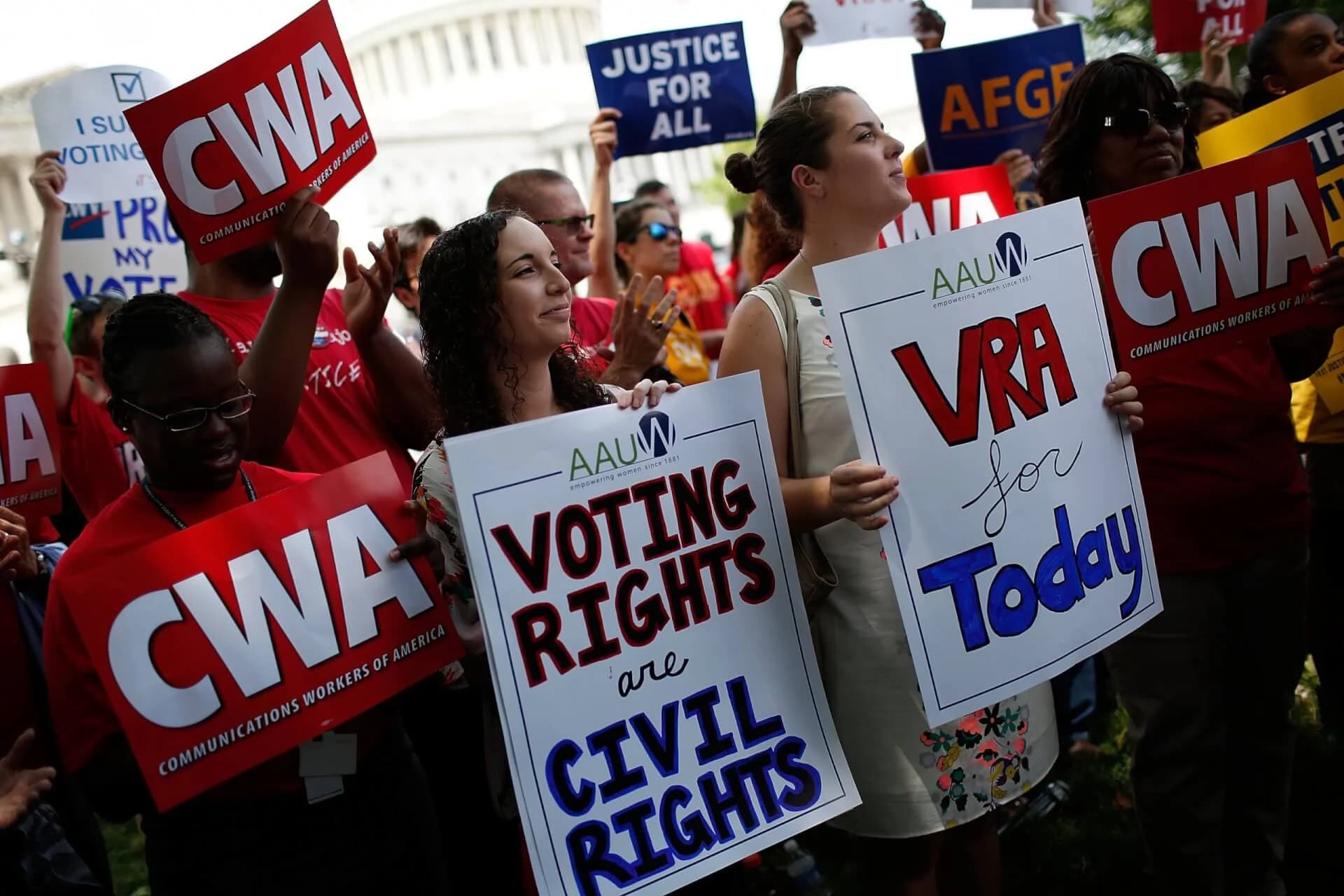
The District of Columbia has taken a concrete step in its ongoing campaign for voting rights and statehood by awarding the FY 2026 Grant to Promote District of Columbia Voting Rights and Statehood to five nonprofit organizations. The Office of the Secretary of the District of Columbia announced the award on January 20, 2026, naming the grant recipients and the specific funding amounts. In a move that aligns with broader statehood advocacy and civic education efforts, the FY 2026 awards total $200,000 and are earmarked for outreach, education, and the measurement of support for DC voting rights and statehood across the district and the nation. The news matters not only for the recipients but for a broader audience of residents, policymakers, and researchers watching the DC statehood movement and its strategy to build awareness and political momentum. This report examines who won the FY 2026 DC voting rights grant, what the awards cover, and why the grants matter in the context of DC voting rights and statehood advocacy. The announcement underscores DC’s ongoing commitment to training organizations, educating the public, and tracking progress toward greater political representation. The grant program itself was announced via the District’s Register as part of a formal Request for Applications published in November 2025, signaling a structured, data-driven approach to funding civic education and advocacy around DC voting rights and statehood. (os.dc.gov)
What Happened
Awardees and Awards
The FY 2026 Grant to Promote District of Columbia Voting Rights and Statehood supported five nonprofit organizations, each receiving different award amounts tailored to their proposed outreach and educational activities. The announced awardees and corresponding funding are:
- Historical Society of Washington DC (DC History Center) — $50,000
- DC Vote — $47,500
- Heurich House Museum — $25,000
- League of Women Voters DC — $47,500
- Long Live Go-Go Foundation — $30,000
In total, the five organizations received $200,000 to fund programming that educates the public about DC voting rights and the push for statehood, with a focus on measuring changes in awareness and support among audiences across the District and nationally. These figures come directly from the official January 20, 2026 release by the Office of the Secretary of the District of Columbia. The same release confirms that the grant was designed to support education, outreach, and the measurement of support for elected officials and for the concept of DC statehood among Americans visiting or residing in the nation’s capital. The Office of the Secretary also noted that the initial “Request for Applications” was published on November 7, 2025, in the District of Columbia Register, outlining the program’s guidelines and evaluation criteria. (os.dc.gov)
- The Historical Society of Washington DC (DC History Center) will likely deploy programming that situates DC’s history in the broader story of American democracy, linking past struggles for representation to present-day debates about voting rights. The $50,000 award positions this organization to generate exhibitions, public programs, and educational kits aimed at a diverse audience, including students, teachers, and visitors to the capital.
- DC Vote’s grant of $47,500 supports ongoing education and advocacy around voting rights and DC statehood, potentially including voter education workshops, civic engagement campaigns, and analysis of legislative developments affecting DC residents.
- Heurich House Museum, with a $25,000 grant, may bring a historic lens to the DC rights conversation, blending cultural heritage with civic education to illustrate how local narratives intersect with national democracy.
- The League of Women Voters DC, also receiving $47,500, is well known for its nonpartisan voter education and outreach work; this grant enables expanded programming to explain DC’s voting rights landscape to residents and visitors.
- Long Live Go-Go Foundation’s $30,000 award signals an emphasis on community-based, arts-focused outreach that can reach younger audiences and diverse communities through music, culture, and storytelling.
The objective of the grant is to strengthen awareness for statehood in Washington, DC. (os.dc.gov)
Timeline and Process
The grant program’s lifecycle begins with the November 7, 2025 publication of the Request for Applications (RFA) in the District of Columbia Register, which sets the stage for nonprofit organizations to propose projects focused on DC voting rights and statehood education and outreach. The January 20, 2026 award announcement marks the culmination of a competitive review process, though the DC Register and Office of the Secretary’s notices indicate ongoing oversight and potential for additional reporting on outcomes. While the press release provides the awards and objective, the surrounding context—such as evaluation metrics and post-award reporting requirements—will determine how success is measured and whether further funding may be available in future fiscal years. The total FY 2026 investment of $200,000 is framed as a targeted investment in civic education and public understanding of DC voting rights and statehood—an approach consistent with District efforts to mobilize local organizations around constitutional and political questions that affect DC residents. (os.dc.gov)
Grant Objective and Oversight
From the outset, the DC government framed the grant as a mechanism to educate and engage the public on DC voting rights and statehood. The official language emphasizes education and outreach, coupled with the measurement of support for elected officials and statehood across the country and among visitors to the capital. This framing aligns with the broader DC statehood strategy, which includes public education campaigns, stakeholder engagement, and collaboration with a network of organizations seeking to elevate DC’s political status within the federal system. The grant’s oversight will likely involve reporting on outreach events, audience reach, and demonstrated shifts in awareness or attitudes—metrics that can inform future funding and policy discussions. As part of the broader statehood landscape, these efforts sit alongside the work of the New Columbia Statehood Commission and related advocacy groups that seek to raise awareness and unify messaging around DC representation. (os.dc.gov)
Why It Matters
Educational Outreach and Civic Awareness

The DC voting rights grant FY 2026 is more than a routine distribution of funds; it is an instrument to elevate public understanding of DC’s political status and its ongoing fight for voting rights and statehood. The selected organizations bring a mix of history, civic education, and cultural engagement to the table. For instance, the DC History Center can create exhibitions that contextualize DC’s lack of full representation within the federal government, linking local experiences to national democratic principles. DC Vote—an advocacy organization focused on DC voting rights—can amplify outreach and facilitate civic conversations in schools, libraries, and community spaces. The League of Women Voters DC has a longstanding track record of nonpartisan voter education, which supports informed participation in elections and public dialogues about DC’s status. The inclusion of the Long Live Go-Go Foundation signals recognition that cultural programming and music can serve as powerful platforms for civic education, especially among younger residents and diverse communities that intersect with DC’s vibrant arts scene. Together, these efforts could produce a more informed electorate and a more engaged, civically active population that understands the implications of voting rights and statehood. The awards reflect a deliberate strategy to diversify the channels of outreach and to measure outcomes beyond attendance, looking at attitudes and knowledge as well as engagement. (os.dc.gov)
The objective of the grant is to strengthen awareness for statehood in Washington, DC. (os.dc.gov)
Stakeholders and Community Impact
The five organizations selected for the FY 2026 DC voting rights grant represent a cross-section of DC’s civic and cultural institutions. The mix includes a historical society, a policy advocacy group, a cultural heritage site, a nonpartisan voter education organization, and a community-based arts initiative. This blend acknowledges that informing the public about DC voting rights and statehood requires both historical context and contemporary civic engagement. For stakeholders—residents, local businesses, educators, and visitors—the impact could manifest as more accessible programming, greater public discourse around DC’s constitutional status, and opportunities to participate in the statehood conversation through well-structured events and educational materials. The result could be a more informed citizenry capable of engaging with elected representatives and federal policymakers on the DC voting rights issue. The broader context includes ongoing congressional debates and legislative proposals related to DC statehood, as reflected in recent coverage and advocacy efforts that emphasize the district’s long-standing demand for full representation. (os.dc.gov)
The Broader Context for DC Voting Rights and Statehood
DC voting rights and statehood remain a central civic issue in American politics. Proponents argue that residents of the District deserve full representation in Congress and greater control over local governance, while opponents raise concerns about constitutional arrangements and political considerations. The ongoing national dialogue has seen renewed interest and legislative activity in recent years, including congressional discussions and statehood advocacy initiatives at the district level. Organizations like the League of Women Voters DC and DC Vote play critical roles in educating the public, monitoring policy developments, and coordinating with national partners to advance the DC voting rights and statehood agenda. The District’s broader statehood framework is shaped by intergovernmental dynamics, the Home Rule Act, and ongoing campaigns to secure fair representation for DC residents in federal institutions. For readers following this story, the FY 2026 grant awards illustrate a tangible, budgeted approach to sustaining the education and outreach necessary to build momentum for DC voting rights and statehood. (os.dc.gov)
What's Next
Next Steps for Recipients
With the FY 2026 grant awards in place, the recipient organizations will move forward with planned activities to educate, engage, and measure interest in DC voting rights and statehood. The specific next steps may include:
- Launching targeted programs and exhibitions that connect local history to the broader national debate on DC representation.
- Organizing voter education events, town halls, school outreach, and community conversations to raise awareness about DC voting rights and the statehood movement.
- Developing evaluation mechanisms to quantify reach, engagement, and shifts in public attitudes toward DC voting rights and statehood, aligning with the grant’s objective to measure support for elected officials and the concept of statehood.
- Coordinating with the District’s statehood ecosystem, including the New Columbia Statehood Commission, to align messaging and avoid duplicative efforts, while maximizing impact through complementary programs.
These steps are consistent with the grant’s stated objective and the districts’ emphasis on evidence-based outreach. The DC Register’s November 2025 RFAs laid out the competitive process, and the January 2026 awards reflect a careful selection aimed at diverse audiences and channels. The outcomes will likely be documented through post-program reports to the Office of the Secretary, enabling the District to assess whether the investments in DC voting rights education are translating into greater awareness and more robust civic engagement. (os.dc.gov)
Future Funding and Policy Implications
The FY 2026 funding level of $200,000 signals a meaningful but modest investment in DC voting rights and statehood education, tailored to the specific organizations and audiences identified in the award. For policymakers, researchers, and advocates tracking the DC statehood process, the results of these programs may provide data for evaluating the effectiveness of public education campaigns as part of a broader strategy to advance DC representation. If the measured outcomes demonstrate significant gains in awareness, engagement, and support for statehood, the District may consider expanding the grant program or adjusting funding allocations in future fiscal years. This could also influence conversations with federal lawmakers about the best modalities for advancing DC voting rights and statehood at the national level, recognizing that local education and outreach are prerequisites for informed public debate and credible advocacy. The ongoing conversations around DC statehood and voting rights—spanning congressional proposals, district-level initiatives, and public education campaigns—underscore the need for data-driven approaches like the FY 2026 grant to build a foundation for substantive policy discussions. (os.dc.gov)
What to Watch For in 2026 and Beyond
As the grant-funded programs unfold, observers should watch for several indicators of impact and change:
- Public engagement metrics: attendance at exhibitions, turnout at educational events, and digital reach of outreach campaigns.
- Knowledge gains: surveys, quizzes, or feedback mechanisms that demonstrate increased awareness of DC voting rights and statehood issues among participants.
- Narrative shifts: media coverage, public commentary, and discussions among policymakers that reflect a more informed and nuanced conversation about DC’s political status.
- Policy signals: any legislative advances or federal actions that reference or leverage the educational work supported by the FY 2026 grants.
These signals will help measure whether the DC voting rights grant FY 2026 is contributing to a broader shift in how the public perceives DC voting rights and statehood and whether such shifts translate into tangible political outcomes. The interconnected nature of local education, cultural engagement, and federal policy means that even modest funding can contribute to a cumulative effect over time. (os.dc.gov)
Closing
The FY 2026 DC voting rights grant represents a purposeful, data-informed step within the district’s ongoing efforts to advance voting rights and statehood through education and outreach. By funding a diverse set of organizations—ranging from historical and cultural institutions to civic-education groups—the District recognizes that understanding and supporting DC voting rights requires both context and conversation across multiple audiences. The $200,000 investment, distributed among five organizations, signals a targeted approach designed to maximize reach and measurable impact. As the programs roll out over the coming months, residents, researchers, and stakeholders should monitor the outputs and outcomes reported by the grant recipients and the Office of the Secretary. In a political environment where DC voting rights and statehood remain central to the district’s identity and future, the FY 2026 grants offer a concrete, accountable path for turning awareness into informed advocacy. Stay tuned for updates on program milestones, event schedules, and performance reports that will illuminate how this funding translates into tangible progress toward DC voting rights and statehood.

For ongoing updates on DC voting rights and statehood developments, readers can follow official District of Columbia channels and trusted local outlets that cover political and civic life in Washington, DC. The District’s broader statehood framework—anchored by the New Columbia Statehood Commission and allied organizations—continues to prioritize education, outreach, and governance-oriented engagement as essential components of the path toward full representation. As national conversations evolve, the DC voting rights grant FY 2026 may serve as a model for how city governments can support independent, nonpartisan, impact-focused civic education initiatives that inform publics and build momentum for policy change. (os.dc.gov)