DC Restaurant Openings Spring 2026: Watch Six New Concepts

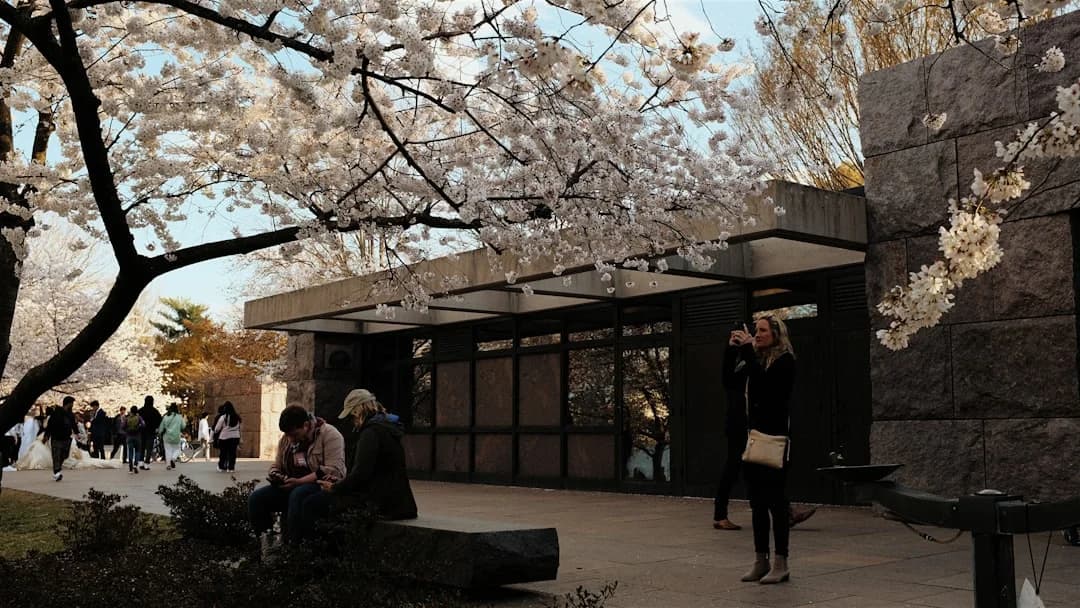
Photo by Jose Llamas on Unsplash
Washington, DC — The District is poised for a wave of DC restaurant openings spring 2026, a development that could reshape dining patterns across Petworth, Georgetown, Rosslyn, and other DC metro neighborhoods. In a moment when the local economy is recalibrating after a turbulent year for hospitality, city officials, investors, and restaurateurs are eyeing a tighter integration of hospitality and technology, a trend that could accelerate how people discover, reserve, and experience meals in the nation’s capital. The moment matters for workers seeking stable jobs, for developers looking to anchor neighborhood retail, and for readers who want credible, data-informed perspectives on where DC’s dining market is headed. On March 17, 2026, Axios DC published a forward-looking collection of upcoming openings as part of its New Kitchens on the Block series, highlighting a slate of concepts that are slated to arrive this spring. That festival-style preview underscores that DC restaurant openings spring 2026 are less about a single grand debut and more about a coordinated launch cadence across several neighborhoods. (axios.com)
The collection of announced concepts includes District Larder Co. in Petworth, Itiyah by Sebastien Salomon, an as-yet-unnamed all-day café from Fiola’s Fabio Trabocchi team, Alfie’s in Georgetown, and several other ventures such as Ebbitt House in Reston, Little Birdie in Del Ray, and Maurizio’s in Potomac. The announcements also reference a broader wave that features a mix of chef-driven concepts and hospitality-forward counter services, signaling a DC dining ecosystem increasingly built on a portfolio of formats that appeal to varied dining occasions—from casual takeout and deli markets to elevated, fine-dining experiences. The NKOTB lineup and the accompanying festival cadence are a reminder that DC’s restaurant openings spring 2026 are being staged with a light touch of spectacle and a heavier emphasis on scalable concepts designed to attract both locals and visitors. District Larder Co.’s Petworth project explicitly notes a spring 2026 grand opening, while other concepts come with a “late spring” window. (axios.com)
In parallel, a high-profile event known as New Kitchens on the Block (NKOTB) returns in 2026, with a festival kickoff and a lineup of emerging and established chefs previewing their concepts before actual openings. The festival, set for April 25 at Brookland’s Mess Hall, is designed to provide early access to new ideas in a format that blends dining with culinary storytelling. This is not only a marketing moment; it is also a signal of how DC’s restaurant economy is leveraging culinary talent as a form of competitive advantage in a tight labor market. The NKOTB festival carries significance beyond a single weekend: it has historically helped propel restaurants from pop-up status into permanent DC presences, including notable success stories such as Maydan and Jônt. The 2026 edition reaffirms DC as a laboratory for innovative concepts, with a notable emphasis on deli-driven, market-forward models and chef-led menus that fuse local ingredients with global influences. The NKOTB lineup’s public release underscores the responsibility of local media to capture and relay precise openings windows, because those windows determine supply chains, staffing needs, and consumer expectations as spring unfolds. “A wave of new D.C.-area restaurants is on the way — and you can try them before they open.” This framing from Axios captures the forward-looking nature of DC restaurant openings spring 2026 and the potential for early experiences that set the tone for the season. (axios.com)
Section 1: What Happened
DC restaurant openings spring 2026: Key concepts and announced timelines
The DC restaurant openings spring 2026 slate is anchored by a mix of deli markets, chef-driven ventures, and hospitality-forward concepts that aim to occupy a broad spectrum of dining occasions. The announcements come with a combination of explicit timelines (e.g., “Spring 2026,” “late spring”) and explicit geographic footprints (Petworth, Del Ray, Georgetown, Rosslyn, Reston). While exact opening dates are not always published, the public statements from the brands and the NKOTB preview provide a credible frame for the season. District Larder Co. in Petworth, for example, announces a grand opening in Spring 2026, signaling a deliberate entry that leverages neighborhood familiarity with local food systems and a deli/market model that could serve as a community hub. The District Larder Co. site explicitly states: “Coming Soon — Grand Opening Details Coming Spring 2026,” confirming the spring window even as it withholds a precise date. This kind of granularity—an announced season with a city-facing date range—helps restaurants coordinate with neighborhood retail, street-level foot traffic, and seasonal tourism. (districtlarder.co)
District Larder Co. — Petworth
District Larder Co. positions itself as an artisan deli and market, with a focus on housemade charcuterie and whole-animal butchery, plus weekend dinners and brunch. The project’s press and the NKOTB lineup align on a Spring 2026 opening window, underscoring a deli-forward destination that aims to become a neighborhood anchor. While the brand’s site does not publish an exact opening date, the explicit Spring 2026 timing signals a public-facing plan to launch during the early to mid-spring period when Petworth’s foot traffic and weekend markets typically surge. The absence of a fixed date is not unusual for a first-wave opening in a multi-concept year; but the explicit spring window provides a concrete milestone for readers tracking DC restaurant openings spring 2026. (districtlarder.co)
Itiyah — Haitian-inspired fine dining
ItIyah, led by Sebastien Salomon, is described in the NKOTB lineup as a Haitian fine-dining concept with a compact 20-seat footprint, signaling a boutique dining experience intended to offer a high-end interpretation of Haitian cuisine. The NKOTB write-up indicates Itiyah as part of the spring 2026 wave, and the Itiyah site confirms ongoing “COMING SOON” messaging for news and updates. While no exact opening date is posted publicly yet, the small-dining format suggests a measured rollout designed to control service quality and guest experience as demand for chef-driven, globally inspired menus remains robust in DC’s dining scene. For readers tracking DC restaurant openings spring 2026, Itiyah represents a credible signal of chef-led, intimate experiences that complement larger-format openings in other DC neighborhoods. (axios.com)
Alfie’s — Georgetown homecoming
Alfie’s is a project from Alex McCoy (Lucky Buns) and Justin Ahn that aims to deliver a Northern Thai-focused concept in Georgetown, blending local sourcing with a regional culinary lens and natural wine program. The NKOTB lineup places Alfie’s in the spring 2026 cohort, with a late-spring expectation for the opening. Alfie’s has a long-running DC history, and the NKOTB preview signals a modern iteration of the brand’s culinary approach in a new neighborhood context. While the NKOTB piece notes “late spring” for Alfie’s, the exact date remains unconfirmed publicly in the sources available to date. This kind of timing is common for multipart openings that require permitting, buildout, and staff onboarding, and provides readers with a window into the likely cadence for Georgetown’s dining revival once spring arrives. (axios.com)
Ebbitt House — Reston expansion
Ebbitt House, a Clyde’s Restaurant Group concept, is earmarked as a Reston Station project with a 2026 opening. The Reston-based site notes that Ebbitt House will deliver a modern spin on Old Ebbitt Grill’s oyster and raw-bar pedigree in a new, larger space, including a 300-seat dining room and multiple bars. This Reston project stands outside DC proper but sits within the broader DC metro dining ecosystem, reflecting a cross-jurisdictional strategy to capture spillover dining demand from DC’s core into nearby Northern Virginia markets. The public-facing language indicates an opening in 2026, though no specific date is published in the available materials. For readers focusing on DC restaurant openings spring 2026, Ebbitt House represents a key metro-area expansion that could influence regional dining patterns, supply chains, and labor markets. (ebbitthouse.com)
Little Birdie — Del Ray entry
Little Birdie, a concept led by Matt & Tony’s founder Eric Brannon, is described as a Del Ray comfort-food spot focused on fried chicken sandwiches with luxe accents (oysters, caviar) and a polished yet approachable dining experience. The NKOTB lineup lists Little Birdie as a late-spring arrival, aligning with a Del Ray footprint that has become a testing ground for fast-casual-to-full-service transitions in the DC metro area. The Del Ray location carries a distinct neighborhood identity, which is consistent with DC-area market strategies that emphasize local partnerships, seasonal menus, and fast-casual-to-dining-forward experiences. As with other openings in the NKOTB slate, Little Birdie’s exact opening date remains to be announced publicly, but the late-spring window is a credible target for press coverage and consumer anticipation. (axios.com)
Maurizio’s — Potomac’s sixth concept from Cava crew
Maurizio’s is described as the Cava crew’s sixth restaurant, a sign of the DC-area expansion strategy that the group has pursued in the region. The NKOTB write-up places Maurizio’s in the late-spring timeframe, suggesting a target launch in the May-to-June window if historical patterns hold. The “late spring” label is a better proxy for a specific opening window than a precise date in this context, given the typical lead times for building out a full-service restaurant of this scale. For readers tracking DC restaurant openings spring 2026, Maurizio’s represents a high-profile example of regional expansion by established operators, signaling a potential clustering effect around the Potomac corridor and neighboring DC neighborhoods. (axios.com)
Vesper — cocktail and wine bar concept
Vesper is described as a cocktail and wine bar with a neo-bistro approach, anchored by a pedigree from Gravitas and Lutèce in the Michelin Guide context. The NKOTB lineup places Vesper among the spring 2026 wave of openings, painting a picture of a sophisticated beverage-led venue that complements the broader set of food-first concepts. The article notes Vesper as part of the NKOTB roster, but it does not publish a precise opening date. As DC’s nightlife and beverage programs continue to evolve, Vesper’s emergence adds to the city’s portfolio of experiences that blend culinary and hospitality design. Readers should watch official announcements from the brand for a specific date as spring progresses. (axios.com)
Additional notes from NKOTB and the broader DC dining context
The NKOTB article emphasizes a broader trend: the DC restaurant openings spring 2026 lineup reflects a mix of deli-market hybrids, chef-driven fine dining, all-day cafés, and bar-forward venues. The festival’s April 25 date in Brookland’s Mess Hall is a high-visibility moment that accompanies these openings, offering a preview of what’s to come and how new restaurants plan to connect with local communities and event audiences. The NKOTB lineup has historically served as a predictor of which concepts eventually become long-term fixtures in the DC dining landscape, but it’s also a reminder that many projects still navigate permitting, construction, and staffing challenges before their official openings. The festival’s role in shaping early conversations around DC restaurant openings spring 2026 is meaningful, even as individual venues publish their own exact opening dates in the weeks ahead. > “A wave of new D.C.-area restaurants is on the way — and you can try them before they open.”— Axios DC, March 17, 2026. The festival and the lineup collectively illustrate how DC’s hospitality ecosystem is balancing anticipation with the realities of buildouts, staffing, and supply chain management in a turbulent market. (axios.com)
Section 2: Why It Matters
Market dynamics and the scale of DC restaurant openings spring 2026
DC's restaurant market in 2026 is operating within a broader metro-area economy that has seen fluctuation in hospitality demand, labor markets, and consumer spending patterns. The Washingtonian/Washington Post coverage over the past 12–18 months highlights ongoing investments, tax dynamics, and labor considerations that influence how and when new venues open their doors. The regional restaurant economy has been influenced by evolving wage structures, inflationary pressures on food and beverage costs, and shifts in consumer travel and local dining behavior. In this context, the DC restaurant openings spring 2026 slate—strongly anchored by a spring window—reflects an expectation that demand will rebound and that operators want to capture early-season traffic when weather improves and tourism begins to pick up after winter slowdowns. The broader economic context includes ongoing adjustments in local tax receipts and broader retail performance, which affect the pace of new openings and the scale of investment in new concepts. The Washington Post reports ongoing macroeconomic considerations in the DC dining scene, including cost pressures and labor challenges that shape opening timelines and menu strategies. (washingtonpost.com)

Investment and real estate context
Brand-new restaurants and hotels in Washington, DC, including new openings and expansions, often align with larger neighborhood redevelopment efforts and hotel/office projects. The Washington DC Visitors Bureau and tourism organizations note that brand-new dining concepts, especially those with chef-led concepts and deli/market formats, can serve as anchors for redevelopment projects and mixed-use developments. This is particularly relevant in neighborhoods like Petworth and Del Ray, where neighborhood markets and pedestrian-friendly streetscapes create opportunities for new food retail formats to thrive. The district’s tourism and economic development ecosystem has shown interest in balancing new hospitality concepts with the need to support local workers and small businesses, a dynamic that is particularly relevant for spring 2026 openings, when city districts hope to attract visitors and locals to walkable cores. The DC area’s evolving restaurant mix—ranging from deli markets to fine-dining counters—illustrates a diversification of formats designed to hedge against market volatility while expanding the city’s culinary profile. (mp.washington.org)
Operational and technology considerations
In a market where labor shortages and rising operating costs are ongoing realities, DC’s new openings are likely to leverage technology and data-driven operations to maintain service quality and efficiency. While most of the NKOTB preview focuses on culinary concepts, the broader industry context suggests a growing reliance on software for reservations, kitchen management, inventory, and guest experience personalization. In DC’s competitive environment, operators frequently stress the need to balance high-touch hospitality with scalable processes that can adapt to seasonal demand fluctuations. The DC restaurant scene has shown a healthy appetite for innovation, as evidenced by the city’s ongoing interest in new restaurant formats, from deli markets to chef-led counters, which often rely on a combination of local sourcing, streamlined operations, and targeted marketing to capture early-season interest. The governance and business environment in DC— including tax trends and labor considerations—also influence how aggressively operators scale their openings, schedule events, and plan for the next phases of growth. (washingtonpost.com)
Who is affected and how readers should contextualize the openings
- Local diners: DC restaurant openings spring 2026 mean more dining options across neighborhoods, with a mix of casual and elevated experiences. Petworth’s District Larder Co. and Del Ray’s Little Birdie signal a trend toward neighborhood-driven food markets and comfort-forward menus that emphasize local ingredients and community connections. The mix of deli markets and chef-led ventures provides more choices for casual lunches, weekend brunches, and special-occasion dining. The NKOTB festival’s preview underscores opportunities for early tastings and opportunities to sample upcoming menus before formal openings, a dynamic that can drive early demand and word-of-mouth in neighborhoods that have historically valued intimate, chef-led experiences. (districtlarder.co)
- Workers and suppliers: The DC metro is navigating a post-pandemic labor environment, with ongoing workforce and wage considerations that influence how many hours concepts can operate and how many staff they can hire for opening weeks. The Washington Post and related outlets have documented ongoing labor and wage dynamics affecting restaurant openings, which can influence the pace and scale of spring 2026 openings. As new venues come online, there will be incremental hiring needs in kitchen and service roles, along with the potential for vendor partnerships to scale as new deli markets and beverage-forward concepts enter the market. (washingtonpost.com)
- Neighborhoods and developers: New openings can contribute to neighborhood vitality and real estate strategy, aligning with broader redevelopment aspirations in DC’s urban core and surrounding suburbs. District Larder Co. and other announced concepts may become anchors for walkable districts, driving traffic patterns, weekend commerce, and cross-promotions with adjacent retailers. In turn, property owners and developers will be observing the opening cadence to gauge tenant mix, foot traffic, and retail synergy in spring 2026 and beyond. The brand-new restaurant ecosystem has long-term implications for neighborhood branding and tourism appeal, particularly in neighborhoods that have strong dining reputations and robust transit access. (mp.washington.org)
The broader context: DC’s dining scene today
In late 2025 and early 2026, DC’s dining landscape was characterized by a push-pull between established brands expanding into new formats and new concepts experimenting with deli-market hybrids and intimate chef-driven spaces. The Washington Post has written about restaurant openings and closures, as well as macroeconomic pressures that shape the pace and scale of new openings. The district has seen steady interest from local investors and national culinary talent seeking to plant roots in a city with strong culinary talent pools and a loyal dining audience. The recent coverage from Eater DC and Axios DC underscores a shared narrative: DC remains a magnet for ambitious, experienced chefs and hospitality operators who want to capitalize on spring seasonal demand and the city’s appetite for new experiences. The DC tourism and events ecosystem, including hotel and cultural partnerships, also helps to amplify the visibility of spring openings as part of a broader travel and dining strategy. (dc.eater.com)

Section 3: What’s Next
Timeline and next steps for DC restaurant openings spring 2026
- April 25, 2026 — NKOTB festival kickoff in Brookland’s Mess Hall The New Kitchens on the Block festival returns with a lineup of rising-star chefs and established names previewing concepts before they open. This festival, scheduled for April 25, 2026, serves as a key lever for consumer anticipation and industry chatter around upcoming openings in DC’s spring season. The event’s timing gives readers and industry watchers a tangible anchor to gauge the pace of openings and the market’s appetite for new dining experiences. The festival’s date and format provide a predictable signal for when to expect early pop-ups, tastings, and previews tied to the spring 2026 openings. (axios.com)
- Spring 2026 — District Larder Co., Petworth; Maurizio’s; Little Birdie; Alfie’s; Itiyah; and others The NKOTB release positions multiple concepts for a spring 2026 launch cadence, with a few venues signaling “late spring” openings. District Larder Co. has a concrete Spring 2026 window on its official site. Other concepts—Itiyah, Alfie’s, Maurizio’s, Little Birdie—appear in the NKOTB lineup with a spring window, but many dates remain to be publicly announced by the operators. Readers should expect staggered openings across March, April, and May, with some venues aiming for late spring launches that align with staff onboarding and permitting timelines. The exact dates will be announced by the brands themselves as construction progresses and as weather supports opening activities. (districtlarder.co)
What to watch for in the weeks ahead
- Official press releases and brand announcements As spring approaches, restaurant groups often issue precise opening dates or grand-opening events closer to the date. Readers should monitor brand websites, social channels, and local press for confirmations of opening dates, hours, and reservation windows. The NKOTB festival itself is a strong signal that more granular details will follow, especially for concepts like District Larder Co., which has publicly signaled a Spring 2026 opening on its site. The convergence of multiple brands announcing windows in the same season also creates opportunities for cross-promotion, co-hosted events, and neighborhood-level dining calendars that can help readers plan their spring dining experiences. (districtlarder.co)
- Local policy and labor market updates DC’s labor market and regulatory environment continue to influence restaurant openings. Readers should stay informed about wage policy, licensing, and compliance developments that could affect staffing and operating hours. The Washington Post has documented ongoing economic and labor considerations in the district’s restaurant sector, which could affect how quickly new venues staff up and begin full operations. Staying attuned to these factors will help readers interpret any delays or accelerations in opening windows as spring unfolds. (washingtonpost.com)
Closing
The DC restaurant openings spring 2026 are shaping up to be a defining moment for the city’s dining scene, with a mix of deli-market concepts, intimate chef-driven spaces, and bar-forward venues all targeting a spring debut. District Larder Co.’s Petworth project anchors a wave of neighborhood-based openings, while Itiyah, Alfie’s, Little Birdie, and Maurizio’s demonstrate DC’s appetite for chef-led reversions of traditional formats into contemporary, experience-rich concepts. Ebbitt House’s Reston expansion, though outside DC proper, reinforces the region’s broader hospitality growth and the cross-pollination of ideas across the DC metro.
As the NKOTB festival on April 25, 2026 approaches, readers and diners will gain a clearer sense of which concepts gain traction, how menus evolve in response to seasonal ingredients, and how the city’s evolving hospitality landscape interacts with labor, real estate, and consumer demand. The coming months promise a data-informed, carefully staged growth of DC’s dining economy—an evolution that values transparency, neighborhood relevance, and operational excellence as it unfolds through spring 2026 and into the summer dining season.
If you’d like to stay updated on these openings, follow the brands’ official channels, watch for district-level business announcements, and keep an eye on reputable local outlets that cover restaurant openings and market trends. DC restaurant openings spring 2026 will continue to develop as new details emerge, and readers who track this space will be well positioned to plan their visits, tastings, and experiences around a spring season that has the potential to redefine how District residents and visitors eat, shop, and socialize.
As always, for ongoing, data-driven updates, keep an eye on Axios DC’s NKOTB coverage, Eater DC’s openings calendar, and the district’s official business and tourism resources. The upcoming weeks will bring more precise dates and event details as venues finalize builds, staffing, and launch strategies that will determine which openings become durable fixtures in DC’s culinary landscape.