DC July 4 Fireworks Guinness World Record Bid 2026
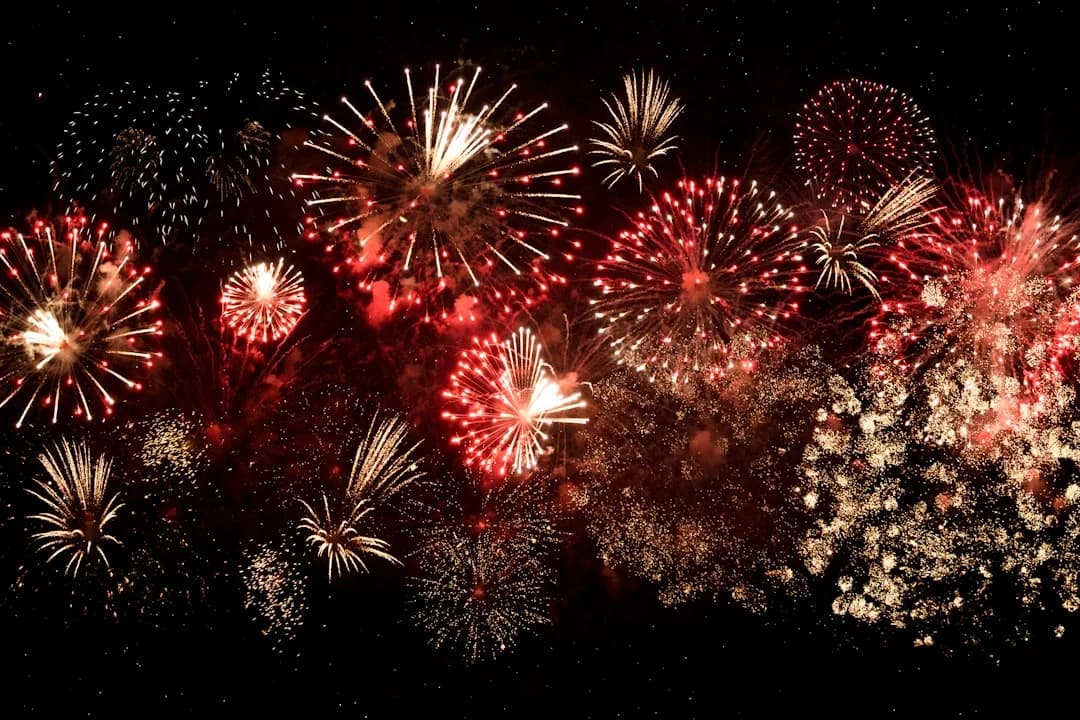
Photo by DESIGNECOLOGIST on Unsplash
The District of Columbia Times delivers a data-driven take on a high-profile Independence Day development: the DC July 4 fireworks Guinness World Record bid 2026. In recent weeks, organizers aligned with the White House-backed Freedom 250 initiative have signaled an ambitious plan to deliver a fireworks display on the National Mall that proponents say could rewrite the record books. The move lands at a moment when Washington, D.C., is not only marking America’s 250th birthday but also testing the boundaries of event-scale technology, security logistics, and public-private funding for large public celebrations. The DC July 4 fireworks Guinness World Record bid 2026 is more than a show—it is a strategic data point for policymakers, security officials, event producers, and technology providers who watch how megashows are planned, financed, and executed.
Early reporting indicates the organizers intend to break the Guinness World Record for the largest fireworks display, a title currently held by a Manila-based show that topped roughly 809,000 shells in 2016. In the DC context, the target is described as exceeding that benchmark, with organizers noting a planned display lasting more than 30 minutes and involving hundreds of thousands of shells, rockets, and comets. The initiative has been framed as part of the America 250 celebration, a nationwide set of events designed to commemorate the semiquincentennial milestone. The public posture from organizers emphasizes a grand spectacle meant to showcase American innovation and public–private collaboration, while federal and local authorities emphasize the scale’s security implications and the need for meticulous planning. The DC July 4 fireworks Guinness World Record bid 2026 continues to unfold as an evolving story with substantial implications for security, infrastructure, and the market for large-scale pyrotechnic events. (axios.com)
What Happened
Announcement Details In mid-May 2026, Freedom 250, a White House–backed public–private partnership, publicly affirmed its intent to stage what organizers describe as the world’s largest fireworks display on Independence Day in Washington, D.C. The plan envisions more than 30 minutes of pyrotechnics, with organizers asserting they will “shoot to break the world record” for the largest fireworks display. The publicly stated objective is to surpass the 2016 Manila record of roughly 809,000 fireworks, a figure cited by multiple outlets as the benchmark being challenged. This framing positions the July 4, 2026 event on the National Mall as not only a national celebration but also a record-setting technical showcase. The Washington Post summarized the claim as aiming to shatter the world record, with Freedom 250 signaling a monumental display as part of its broader 16-day “Great American State Fair” program surrounding July 4. (washingtonpost.com)
Timeline and Approval Process The DC July 4 fireworks Guinness World Record bid 2026 unfolds within a tightly choreographed timeline that includes federal and local security coordination, logistics planning, and venue permitting. Reports indicate the event will be led by Pyrotecnico, a long-standing fireworks contractor, under a public-private funding arrangement associated with Freedom 250. The organizers have stated that the show will be visible from the National Mall, with expectations of a massive turnout that could exceed a million attendees based on prior year patterns and the scale of the planned program. The government’s involvement is underscored by the designation of the day as a National Special Security Event (NSSE), enabling enhanced security measures and federal coordination led by the Secret Service in collaboration with local police and other agencies. This NSSE designation is a signal that the planning process involves high-level security protocols, layered planning for crowd management, transportation, and emergency response. The NSSE designation and related security planning are central to the event’s timeline and operational readiness. (washingtonpost.com)
Key Partnerships and Costs A central element of the DC July 4 fireworks Guinness World Record bid 2026 is the partnership structure and the cost model. Freedom 250 has engaged Pyrotecnico as the primary fireworks contractor, a relationship that helps anchor the technical feasibility of an unprecedented display in the nation’s capital. The public-private nature of the funding arrangement is highlighted by organizers who note that the event is funded through a combination of public dollars and private contributions, with questions left open about the exact cost allocation and taxpayer involvement. This blend of funding is typical for large-scale national events but also invites scrutiny regarding cost efficiency, transparency, and public accountability. The publicly issued documents and statements emphasize that the partnership approach aims to balance spectacle with responsible budgeting, while the security framework remains a top priority for federal and local officials. (axios.com)
Public and Expert Reactions As the DC July 4 fireworks Guinness World Record bid 2026 gained attention, responses from journalism and policy circles ranged from cautious optimism to careful scrutiny. The Washington Post highlighted the leadership role of Freedom 250 and noted the event’s NSSE designation and security implications, while also reporting on the scale challenges and the fact that organizers have not publicly disclosed all cost details. The Washington Examiner’s reporting on Freedom 250 framed the effort as part of President Trump’s broader public celebration strategy, noting the expected participation, the security posture, and the scale of public events surrounding Independence Day. Taken together, early coverage reflects a national conversation about how far public celebration should go in the name of milestone anniversaries, the lessons learned from past security incidents, and the ways in which private partners can contribute to or influence public-facing events. (washingtonpost.com)
Why It Matters
Security, Tourism, and Public Infrastructure The designation of the July 4 event as a National Special Security Event underscores how the federal government approaches mass gatherings in high-profile capital city settings. NSSE status elevates security posture, integrating federal resources, redundancy in capability, and cross-jurisdictional coordination that touch on transportation, crowd management, and emergency response. Local agencies in Washington, D.C., will coordinate with federal partners to manage the day’s flow, including potential road closures, stadium or parade routes, and disruption to normal traffic patterns around the National Mall and surrounding neighborhoods. The public interest aspect is twofold: ensuring safety for a potential crowd that could exceed a million attendees and preserving the integrity of an event that aims to symbolize national unity during a pivotal anniversary year. This dynamic creates ripple effects for local commerce, hospitality, transit, and city services, amplifying the importance of precision planning and transparent communication with residents and visitors. (washingtonpost.com)
Technology, Vendors, and the Market for Mega Displays The DC July 4 fireworks Guinness World Record bid 2026 sits at the intersection of technology, logistics, and the public events market. Pyrotechnics contractors like Pyrotecnico bring decades of experience in large-scale displays, but the scale proposed by Freedom 250 requires sophisticated coordination with safety systems, weather monitoring, and contingency planning. The public-private funding approach is a telling indicator of evolving business models for major celebrations: private firms provide the technical expertise and capital, while public entities offer regulatory oversight, security governance, and access to public spaces. The event’s declared objective to break the world record also signals opportunities for equipment manufacturers, software providers for event management and crowd analytics, and security technology vendors that can support large open-air shows. In this sense, the DC July 4 fireworks Guinness World Record bid 2026 could influence market demand for high-capacity pyrotechnics, drone-based stabilizations or sensor networks (where relevant and permitted), and advanced logistics platforms used to choreograph complex national-scale productions. The industry is watching closely to see how public organizers balance spectacle with safety, cost control, and environmental considerations. (axios.com)
Public Perception and Cultural Context America’s 250th birthday has driven a suite of commemorative events across the country, with the DC spectacle positioned as a centerpiece of that year’s national narrative. Coverage across major outlets has emphasized not only the potential grandeur of the display but also the broader cultural significance of the milestone. The narrative includes a recognition that large-scale public celebrations require careful alignment with constitutional norms, public access, and the historical symbolism of national landmarks. As the DC July 4 fireworks Guinness World Record bid 2026 unfolds, observers are weighing the value of such a record-breaking display against concerns about crowd safety, budget priorities, and the long-term implications for Washington, D.C.’s capacity to host similar mega-events. The conversation touches on how cities manage the tension between iconic moments and pragmatic governance, and it contributes to a broader discourse about the role of technology in modern public celebrations. (washingtonpost.com)
What’s Next
Upcoming Milestones and Security Planning Looking ahead, several milestones will shape the trajectory of the DC July 4 fireworks Guinness World Record bid 2026. First, the finalization of the security and permit framework will be essential, given the NSSE designation and the expected scale of attendance. Civilian and law-enforcement agencies will finalize operational blueprints for crowd management, traffic mitigation, emergency medical response, and contingency procedures in the event of adverse weather or other disruptions. The Secret Service will lead the security coordination effort in collaboration with local police and federal partners, ensuring that the security posture aligns with the magnitude of the event and the symbolic significance of the milestone year. The timeline will also include vendor finalization, logistics rehearsals, and a sequence of public communications to manage expectations and address potential concerns from residents, business owners, and visitors. (washingtonpost.com)
What to Watch For Journalists, policy analysts, and business leaders will be particularly attentive to three areas in the weeks and months ahead: (1) cost and funding transparency, including whether taxpayer dollars are involved and how private contributions are accounted for; (2) permits and security readiness, including the specifics of NSSE-resourced measures and any changes to public access or transit planning; and (3) the performance aspects of the display itself—what technologies will be used, how many shells are projected, and how weather contingencies will be managed. As coverage continues, updates are likely to come from federal agencies, Freedom 250 organizers, Pyrotecnico, and local government briefings. The District of Columbia Times will monitor and report on these developments with a data-driven approach, ensuring readers have clear timelines, verifiable facts, and balanced perspectives on the implications of the DC July 4 fireworks Guinness World Record bid 2026. (axios.com)
What’s Next for Residents and Visitors For residents and visitors, the immediate practical questions revolve around accessibility to the National Mall, anticipated road closures, public transit adjustments, and safety advisories in the days surrounding the July 4 festivities. Local officials and event organizers have pledged to provide timely information as planning progresses, including updated schedules, recommended viewing areas, and real-time advisories ahead of the big night. In the weeks leading up to July 4, 2026, residents should stay tuned to official channels for guidance on preferred arrival times, bag restrictions, and parking alternatives. Businesses near the National Mall are also preparing for the surge in visitors, with retailers and hospitality venues coordinating extended hours, special events, and security measures to ensure a safe and smooth experience for attendees. The DC July 4 fireworks Guinness World Record bid 2026 thus represents not only a spectacular public display but also a comprehensive, data-informed exercise in urban event management, security planning, and market coordination that will reverberate through local economies and national narratives alike. (fox5dc.com)
Closing
As Washington, D.C., prepares to stage what organizers describe as the most ambitious Independence Day celebration in memory, the DC July 4 fireworks Guinness World Record bid 2026 stands at the nexus of tradition and technology. The event embodies a broader trend in which cities seek to push the envelope of public celebration while emphasizing rigorous planning, security, and accountability. The public-private framework, the NSSE-backed security architecture, and the involvement of established fireworks providers signal a new baseline for how mega-events are conceived and executed at the national level. For readers of the District of Columbia Times, the story is not merely about a record attempt; it is a lens into how technology, policy, and market dynamics intersect when a city commits to a milestone that’s as much about national identity as it is about logistical prowess. The coming months will reveal the finer details of permits, costs, and the precise scale of the display, and they will determine how the DC July 4 fireworks Guinness World Record bid 2026 is remembered in the annals of the nation’s capital’s public celebrations. In the meantime, residents and visitors should prepare to monitor official updates, plan around security advisories, and anticipate a Fourth of July weekend that could redefine how a fireworks show is imagined, funded, and executed in the modern era. (washingtonpost.com)