DC Jazz Festival 2026 Lineup: Initial Details and Dates
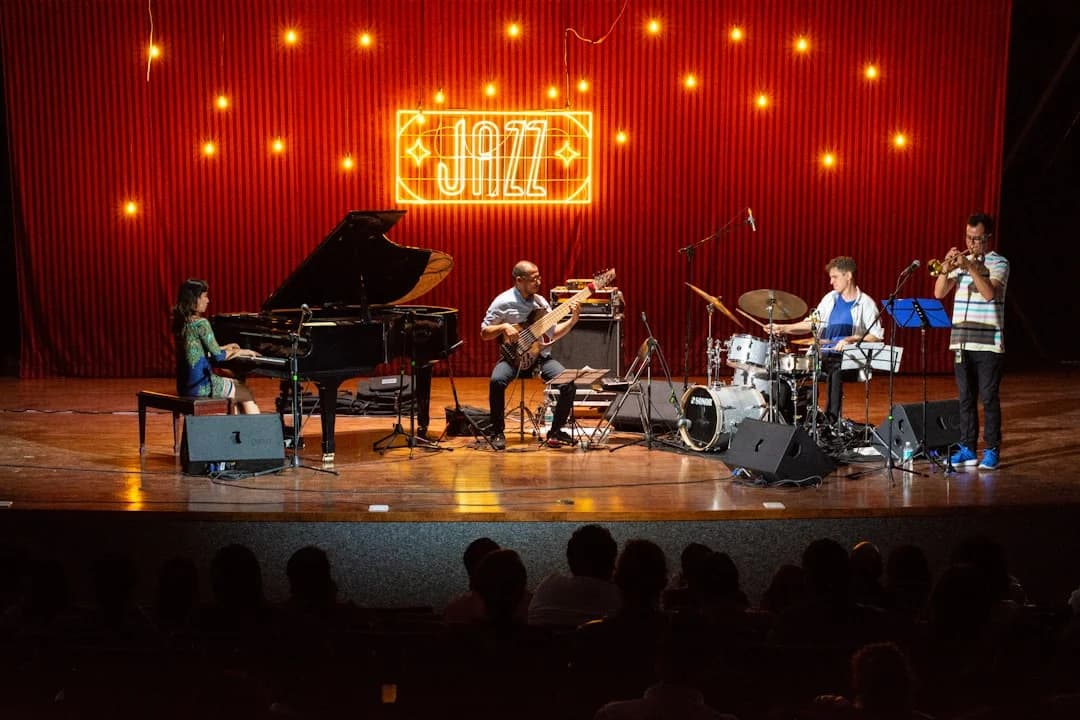
Photo by Alex Zamora on Unsplash
The DC Jazz Festival 2026 lineup has just been announced, signaling a citywide celebration from September 2 through September 6, 2026. The festival will unfold across 20 venues spanning more than a dozen neighborhoods in Washington, DC, turning the nation’s capital into a living stage for jazz over five consecutive days. The first wave of artists confirms a blend of revered masters, contemporary visionaries, and rising talents, underscoring the event’s role as both a cultural compass and a driver of local economic activity. DC Jazz Festival officials emphasized that the lineup showcases jazz’s global conversation, while also centering on the District’s neighborhoods and historic venues. This marks a significant moment for DC250 and America250 observances, as the city leans into jazz as a narrative for resilience, innovation, and community connection. Tickets for the 2026 DC JazzFest are already on sale, with organizers signaling that the full schedule and additional programming will be announced later this spring. (dcjazzfest.org)
The initial wave of headliners includes NEA Jazz Master Dee Dee Bridgewater, renowned saxophonist Joshua Redman, vocalist Kurt Elling, Cory Henry & The Funk Apostles, drummer Nate Smith, guitarist Bill Frisell, and pianist Danilo Pérez, among others. These names anchor a lineup described by DC Jazz Festival leadership as a bridge between generations and continents, highlighting both the city’s storied jazz heritage and its forward-looking sensibility. Emmet Cohen, the festival’s Artist-in-Residence for 2026, and DC-based jazz vocalist and pianist Janelle Gill will help drive education and community engagement across the year. The festival’s cross-neighborhood footprint is designed to maximize accessibility and attract visitors from outside the District as part of a broader DC250/America250-era programming. (dcjazzfest.org)
The official posting also notes that the 2026 edition will feature performances at venues ranging from waterfront stages to historic houses of music, underscoring the DC Jazz Festival’s mission to activate cultural corridors citywide. This urban-scale approach is paired with a robust public-facing communications effort designed to align with the District’s strategic goals around tourism, small business vitality, and arts funding. The DC Jazz Festival organization stated that the “full schedule and additional programming will be announced later this spring,” a signal that readers should expect further details, including day-by-day programming, venue maps, and accessibility information, in the coming weeks. (dcjazzfest.org)
Opening paragraph summary: The DC Jazz Festival 2026 lineup confirms September 2-6, 2026 citywide events across 20 venues in 12 neighborhoods, headlined by Dee Dee Bridgewater, Joshua Redman, Kurt Elling, Cory Henry & The Funk Apostles, Nate Smith, Bill Frisell, and Danilo Pérez. The festival also designates Emmet Cohen and Janelle Gill as Artists-in-Residence for 2026, with a broader educational and community-connection strategy tied to DC250 and America250. Tickets are on sale, and organizers promise a fuller schedule later in spring. (dcjazzfest.org)
Section 1: What Happened
Event Details and Timeline
The DC Jazz Festival announced its initial lineup for 2026 on February 24, 2026, signaling a planned celebration from September 2 to September 6, 2026. The event will unfold citywide, leveraging 20 venues across more than a dozen neighborhoods to create a continuous jazz experience rather than a single-venue marathon. The organizers highlighted the five-day format as a strategic choice to maximize audience access, drive foot traffic to diverse neighborhoods, and reinforce the District’s status as a national jazz hub during a year of commemorations tied to DC250 and America250. This approach aligns with the festival’s broader mission of using jazz as a lens to interpret history while projecting the city’s cultural leadership to visitors from around the world. The initial press release also references the event’s role within a larger civic and cultural calendar, emphasizing partnership with Destination DC and local arts funders. (dcjazzfest.org)

The Week at a Glance
- Dates: September 2–6, 2026. (dcjazzfest.org)
- Citywide footprint: 20 venues across 12 neighborhoods. (dcjazzfest.org)
- Format: A multi-day, citywide celebration designed to mobilize neighborhood venues from waterfront stages to historic performance spaces. (dcjazzfest.org)
Headline Artists and Featured Acts
The opening wave of artists for 2026 features an esteemed blend of generations and styles. Among the headliners are:
- Dee Dee Bridgewater, a National Endowment for the Arts (NEA) Jazz Master renowned for her dynamic vocal range and long-standing contributions to the art form. (dcjazzfest.org)
- Joshua Redman, a celebrated saxophonist known for his lyrical improvisation and cross-genre collaborations. (dcjazzfest.org)
- Kurt Elling, a vocalist noted for his mastery of vocalese and contemporary jazz storytelling. (dcjazzfest.org)
- Cory Henry & The Funk Apostles, a band celebrated for its fusion of funk, gospel-inflected energy, and improvisational prowess. (dcjazzfest.org)
- Danilo Pérez, a pianist-composer whose work spans jazz, world music, and education initiatives; he is also a long-standing Berklee alumnus and innovator. (dcjazzfest.org)
- Bill Frisell, an iconoclast guitarist whose distinctive voice has shaped modern jazz through genre-blurring collaborations. (dcjazzfest.org)
- Nate Smith, a Grammy-nominated drummer who serves as the festival’s featured performer and a key figure in contemporary jazz. (dcjazzfest.org)
- Etienne Charles & Creole Soul, a trumpeter-composer bringing Caribbean-infused jazz perspectives to the DC stage. (dcjazzfest.org)
In addition to the headline acts, the lineup announcement highlights a broader roster that includes a mix of veterans and future leaders, reinforcing the festival’s stated goal of bridging generations and continents within the jazz ecosystem. The event’s press materials describe the lineup as representative of “NEA Jazz Masters, GRAMMY Award winners, and leading voices shaping the future of the music.” This framing is designed to appeal to a wide spectrum of jazz fans while signaling seriousness about both artistry and audience development. (dcjazzfest.org)
Artists in Residence and Education Programs
The festival’s 2026 edition designates Emmet Cohen as the Artist-in-Residence, a role that has become a hallmark of the DC Jazz Festival’s commitment to nurturing local talent and broadening access to high-level master classes and educational programming. Cohen’s residency includes high-profile performances and a track record of community-based events, including living-room-style streaming performances during the pandemic era that helped sustain interest in live jazz across a broad audience. Also integral to the 2026 plan is Janelle Gill, a DC-based pianist and vocalist who will serve as a second Artist-in-Residence, participating in community outreach and performance opportunities that connect DC’s educational institutions with professional-level jazz. This emphasis on education and local talent aligns with the festival’s stated mission to cultivate DC-rooted excellence and to engage younger audiences in meaningful ways. (dcjazzfest.org)
Ticketing and Access
According to the release, tickets for the 2026 DC JazzFest are currently on sale at the festival’s official website. The organizers’ emphasis on citywide access and a distributed venue plan suggests an intention to reduce bottlenecks and to offer a mix of ticketed and perhaps free or partially subsidized experiences, especially at waterfront or neighborhood venues. The explicit note that “the full schedule and additional programming will be announced later this spring” indicates ongoing planning and potential additions to the lineup as the season progresses. Readers should expect updates about both the day-by-day program and any new venues or special events tied to the DC250 commemorations. (dcjazzfest.org)
Venue Distribution and Neighborhood Footprint
The inaugural announcement highlights a 20-venue lineup spread across DC’s neighborhoods, reflecting a deliberate strategy to integrate jazz into places where residents live, work, dine, and shop. This distribution is designed to maximize the festival’s reach and to create cross-neighborhood traffic that benefits local businesses, from restaurants to arts organizations, during a period that traditionally brings increased tourism and discretionary spending. DC Jazz Festival organizers have underscored the event’s city-wide ambition as a way to amplify the area’s cultural economy while offering attendees a curated, walkable experience that showcases architectural and cultural assets across the city. (dcjazzfest.org)
Section 2: Why It Matters
Economic and Cultural Impact
The DC Jazz Festival 2026 lineup represents more than a list of performers; it functions as a measurable driver of cultural tourism, local employment for hospitality and events workers, and opportunities for small- and minority-owned businesses within the DC arts ecosystem. The city’s tourism and economic development bodies have positioned jazz festivals as catalysts for neighborhood activation, especially when events are intentionally distributed across multiple districts. The initial lineup’s five-day window, coupled with 20 venues, suggests a potential for sustained visitor flow and extended economic impact, particularly if the festival attracts regional attendees who combine jazz experiences with dining, lodging, and site-seeing. The DC Jazz Festival has also framed 2026 within the broader America250 anniversary context, which can amplify marketing reach and cross-promotional opportunities with other national and regional events. While precise attendance projections are not publicly disclosed in the initial release, the city’s official partners have signaled that the festival will be a focal point of DC’s cultural calendar, with a goal of elevating DC as a premier jazz destination. (dcjazzfest.org)

"We are proud to present a lineup that bridges generations and continents," said Sunny Sumter, President and CEO of DC Jazz Festival, highlighting the organization’s intent to connect local audiences with a broad, globally aware musical conversation. This kind of messaging reflects a deliberate strategy to attract visitors who are both deeply engaged with jazz history and eager to explore new sounds and cross-cultural collaborations. (dcjazzfest.org)
Audience Reach and Demographic Implications
The initial wave of artists features a blend of NEA Jazz Masters and Grammy-winning performers, complemented by younger, exploratory voices. This composition is likely to broaden the festival’s appeal beyond traditional jazz audiences to include contemporary music fans, urban culture enthusiasts, and international travelers who calibrate cultural events into their itineraries. The festival’s emphasis on education—through the Artist-in-Residence program and related initiatives—also aligns with audience development goals that seek to cultivate a more diverse and younger pool of attendees who may become long-term supporters of DC’s arts ecosystem. The combination of high-profile headliners and community-focused programming is a signal that the festival seeks to balance marquee value with sustained local engagement. (dcjazzfest.org)
Production and Technology Considerations
The DC Jazz Festival’s expansion across 20 venues signals a need for coordinated production technology to ensure consistent sound, stage safety, and audience experience across multiple sites. While the initial lineup release does not enumerate technical specifications for each venue, the festival’s recent trajectory suggests investments in scalable sound systems, streaming options for select performances, and mobile-friendly ticketing and scheduling tools to support a citywide experience. The educational component, including Artist-in-Residence engagements, often leverages digital platforms to widen access, broadcast master classes, and archive performances for post-event engagement. Expect future disclosures about venue-specific tech upgrades, streaming partnerships, and potential digital programs that can extend the festival’s reach beyond in-person attendees. (dcjazzfest.org)
Broader Context in the District’s Cultural Economy
From a policy and economic development perspective, the DC Jazz Festival aligns with the District’s ongoing efforts to diversify the local economy through arts and culture, particularly in neighborhoods that have historically hosted arts programming but faced challenges in sustaining year-round activity. By staging a multi-venue, multi-day festival, the city can increase overnight visits, restaurant activity, and retail spend while generating media attention that enhances DC’s national brand as a destination for music and innovation. The festival’s DC250 and America250 framework adds a coordinating layer, potentially enabling partnerships with national museums, cultural institutions, and philanthropic organizations to support capital and programmatic investments in the arts. While precise impact metrics are not yet published, the narrative around the 2026 lineup positions the event as a measurable asset in the city’s cultural and economic strategy. (dcjazzfest.org)
Audience Experience and Cultural Exchange
The initial lineup’s emphasis on “bridging generations and continents” is not just marketing talk; it reflects a deliberate curation approach designed to facilitate cross-cultural exchanges and multi-generational listening experiences. The presence of a strong roster of improvisational and forward-looking performers can create opportunities for artist residencies, side-by-side collaborations, and audience education that extends beyond concert halls into community spaces. In a city like DC, where neighborhoods have distinct identities, a citywide jazz festival can serve as a unifying cultural event while still allowing for local flavor at neighborhood venues. The festival’s communications emphasize that performances will occur in diverse spaces, a factor that can influence how residents engage with the event, how businesses plan around it, and how public safety and infrastructure teams coordinate across multiple districts. (dcjazzfest.org)
Section 3: What’s Next
Next Steps in Programming and Planning

With the initial lineup public, the DC Jazz Festival will move into the phase of releasing the full schedule, detailed venue-by-venue programming, and ticketing options for individual shows. The festival’s leadership signaled that additional programming would be announced in the spring, which implies a cadence of weekly or biweekly updates to keep audiences engaged and to allow neighborhood partners to prepare marketing and logistical plans. Given the citywide spread of venues, one likely focus will be on coordinating transportation, accessibility services, and neighborhood-oriented programming that encourages walking itineraries and compact travel routes across District neighborhoods. The education and outreach components will likely expand through summer, with more master classes, youth initiatives, and community performances that tie into the broader DC250 commemorations and partner organizations across the city. (dcjazzfest.org)
Schedule Rollouts and Exclusive Previews
Expect a sequence of announcements that introduce additional headliners, ensemble configurations, and perhaps side events such as late-night jam sessions, artist-focused Q&A discussions, and partner-sponsored experiences in venues ranging from intimate clubs to larger concert halls. The DC Jazz Festival’s existing practice suggests that certain performances will be assigned to specific venues with capacity-based ticketing and safety planning designed to optimize audience comfort and flow. As the spring unfolds, multiple press releases, social media drops, and partner channels will likely reveal more about artist-in-residence activities, education programs, and special collaborations that integrate with the DC250 and America250 platforms. (dcjazzfest.org)
Venues and Neighborhood Plans
With 20 venues across a dozen neighborhoods, the festival’s next steps will involve venue coordination, permit management, and cross-neighborhood marketing. City agencies, venue operators, and DC Jazz Festival staff will need to align on scheduling, stage configurations, and cross-venue transportation options to ensure that audiences can experience multiple performances without excessive travel barriers. The multi-neighborhood model also raises considerations for accessibility, with planners likely prioritizing ADA-compliant venues, wayfinding, and real-time communication about show times and locations as the festival progresses. The press release’s emphasis on a “citywide celebration” underlines the importance of a coordinated approach that respects both neighborhood character and audience convenience. (dcjazzfest.org)
What to Watch For in the Coming Weeks
- Full schedule release: The spring timeline mentioned by DC Jazz Festival will be a crucial milestone for readers who want to plan individualized itineraries or family-friendly jazz days.
- Additional artist announcements: As with past editions, more performers—ranging from established stars to emerging talents—will join the lineup and potentially trigger new venue expansions or micro-events.
- Ticketing and access updates: Details about pricing tiers, student and senior discounts, and potential free or low-cost showcases will shape audience accessibility and attendance demographics.
- Educational programming: More information about residency activities, master classes, school partnerships, and community performances will help quantify the festival’s social impact and its alignment with DC’s educational and cultural goals.
- DC250 and America250 alignment: Additional programming tied to national commemorations could broaden the festival’s visibility and cross-promotional opportunities with regional and national partners. (dcjazzfest.org)
Closing
The DC Jazz Festival 2026 lineup marks a major moment for Washington, DC’s cultural calendar, blending storied tradition with a forward-looking program that leverages 20 venues across 12 neighborhoods. The initial roster—featuring Dee Dee Bridgewater, Joshua Redman, Kurt Elling, Cory Henry & The Funk Apostles, Danilo Pérez, Bill Frisell, and Nate Smith, among others—signals a festival that is at once deeply rooted in jazz history and actively expanding its reach through education, citywide collaboration, and contemporary experimentation. As the festival moves toward a fuller schedule and expanded programming, readers can expect a carefully paced stream of updates designed to help residents and visitors alike plan memorable, accessible experiences that celebrate jazz’s enduring vitality in the nation’s capital. The coming months will reveal how DC’s neighborhoods leverage this citywide celebration to strengthen local arts ecosystems, support small businesses, and position Washington, DC, as a premier destination for jazz on the national stage. (dcjazzfest.org)
The District of Columbia Times will continue monitoring the DC Jazz Festival 2026 lineup as new details become available, with ongoing coverage of ticket options, venue announcements, and educational programming. For readers planning their summer itineraries, the festival promises a robust mix of performances, educational activities, and community engagement that align with a data-driven, neutral, and accessible approach to reporting on technology-enabled experiences and market implications within the arts sector. Stay tuned for updates on the full schedule, ticketing specifics, and venue-by-venue details as they are released. (dcjazzfest.org)
Note: The DC Jazz Festival’s official announcements and venue details are the most reliable sources for the precise lineup, dates, and programming for 2026. As more information becomes available, readers should consult the festival’s website and DC tourism partners for the latest updates and planning resources. (dcjazzfest.org)