DC Consolidated Appropriations Act 2026 funding Gains for DC
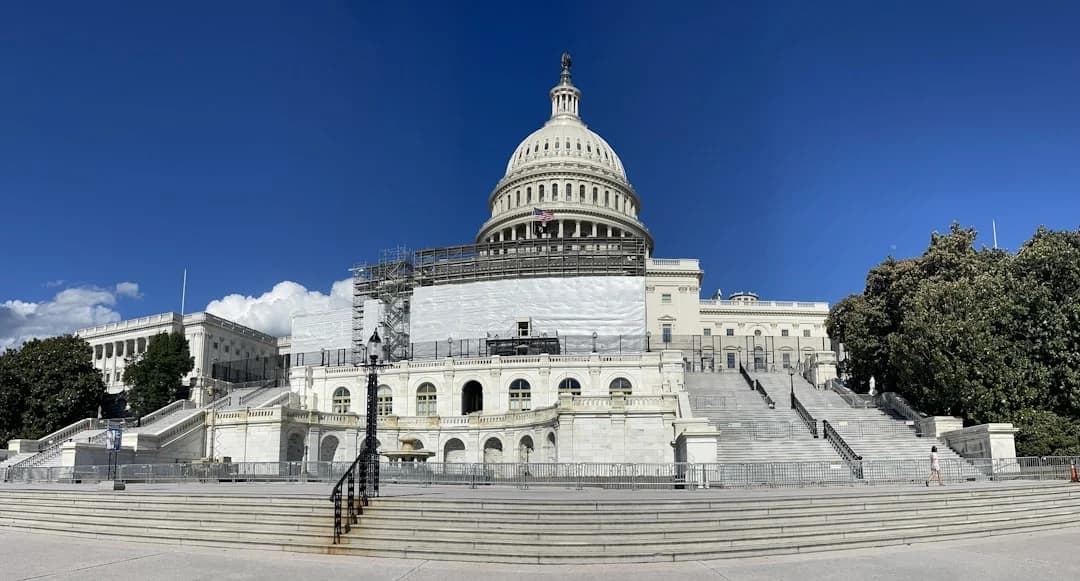
Photo by Bernd 📷 Dittrich on Unsplash
The District of Columbia is navigating a pivotal turn in federal funding, as the DC-focused provisions within the federal Consolidated Appropriations Act of 2026 begin to unfold. Signed into law in early February, the act channels targeted dollars to support safety, education, transportation, and community infrastructure in the nation’s capital. Local officials describe the package as a timely alignment of federal priorities with the District’s own development goals, especially as DC gears up for a year of major public events and a broader push to modernize urban systems. The funding arrives at a moment when technology and market trends intersect with city services, urban resilience, and higher education access. The federal package includes a dedicated Emergency Planning and Security Fund, expanded support for the DC Tuition Assistance Grant, and a slate of Community Project Funding aimed at parks, transportation, and research infrastructure. This coverage comes amid broader national discussions about how Congress funds city-level needs through the THUD and FSGG appropriations. (mayor.dc.gov)
The District’s leadership has framed the act as a set of concrete investments that advance DC’s public safety, education, and neighborhood vitality during 2026 and beyond. Mayor Muriel Bowser’s office highlighted the EPSF allocation to reimburse police for federally related events and the substantial increases in student aid through DCTAG as the centerpiece of this year’s funding package. Congressional advocates for DC—including Congresswoman Eleanor Holmes Norton—have also touted the nearly $15 million in community project funding directed toward DC institutions and local projects, with more than $10 million specifically allocated to DC under the THUD bill that was signed into law. The combination of park improvements, research infrastructure upgrades at DC public institutions, and targeted security funding is shaping how DC’s tech and market ecosystems respond to new federal resources. (mayor.dc.gov)
Opening paragraphs: The federal Consolidated Appropriations Act, 2026 includes the District of Columbia in its Transportation, Housing and Urban Development (THUD) and related appropriations, ensuring that local priorities align with federal funding cycles. The bill signals a path forward for DC’s tech-enabled public services, including emergency preparedness, waterfront and park upgrades, and higher education access. A key outcome is a notable expansion in DCTAG funding, which directly affects thousands of DC residents seeking opportunities in higher education across the country. The act’s DC elements also suggest a longer-term push to modernize infrastructure and improve research capacity at local universities, underscoring a nexus between federal investment, city planning, and technology-enabled urban solutions. (congress.gov)
What Happened
Legislative context and DC’s role
Congressional documents show the Consolidated Appropriations Act, 2026 (H.R.7148) as a comprehensive funding package that includes the District of Columbia within the broader allocations for federal agencies, departments, and related programs. The act consolidates multiple funding titles, and it explicitly includes DC as a recipient of Community Project Funding and programmatic support under THUD and related titles. The act’s legislative path culminated in early February 2026, with the president signing the package into law. This framework sets the stage for district-level disbursements, oversight, and reporting requirements that DC agencies and lawmakers will monitor through 2026 and into subsequent fiscal years. (congress.gov)
DC allocations inside the act and standout figures
The District’s share of the THUD bill and related appropriations includes several high-impact items highlighted by city leaders and lawmakers. The most widely reported figures center on:
-
Emergency Planning and Security Fund (EPSF): $90 million designated to support large-scale federal-related events in DC, enabling city safety operations, event security, and mutual aid planning for a busy 2026 anniversary calendar. Bowser’s office has framed this as essential to maintaining safety and public space management as the capital hosts a yearlong celebration for America’s 250th birthday. (mayor.dc.gov)
-
DC Tuition Assistance Grant (DCTAG): Full funding maintained with a notable expansion in aid, including higher annual awards and a higher lifetime cap, designed to broaden college access for DC residents pursuing higher education nationwide. The mayor’s statement emphasizes the investment in education and opportunity, noting the program’s long-standing role in supporting DC students. Washington Post coverage further details the expansion—from $10,000 per year to $15,000, and lifetime cap from $50,000 to $75,000, representing the largest single-year growth in decades. (mayor.dc.gov)
-
Community Project Funding (CPF) for DC: The act secures targeted CPF funding for several neighborhood projects, including park upgrades and safety enhancements. The district’s CPF items include Solar Charging for Capital eBikes, Suitland Parkway Safety Enhancements, Carver Langston Park Upgrades, Riggs & South Dakota Triangle Park Upgrades, Lederer Gardens Facility Improvements, and Duke Ellington Park Upgrades. The mayor’s release lists these projects with the exact funding amounts, underscoring the city’s emphasis on green transportation, outdoor spaces, and community facilities. Norton’s press materials corroborate these CPF allocations and provide a district-wide view of CPF outcomes tied to the THUD bill. (mayor.dc.gov)
-
UDC and research/educational infrastructure: The University of the District of Columbia (UDC) publicly welcomed $6.2 million in Community Project Funding for infrastructure, workforce development, and research, including upgrades to research labs, a functioning framework for AI, cybersecurity, and data science work, and enhancements to aviation and food hub facilities. UDC officials describe the investment as a strategic accelerator for DC’s STEM and workforce initiatives, directly tying federal support to city-level innovation ecosystems. Bowser’s remarks accompany the UDC investment narrative, reinforcing the alignment between federal funds and the District’s higher-education network. (udc.edu)
-
DCTAG-related context and implementation: The expansion of DCTAG gains further attention in local media and education office statements, reflecting a broader federal-local collaboration to ensure long-term access to higher education for DC residents. The Washington Post’s reporting provides additional context on the program’s prior history and the rationale for boosting its funding, including the program’s role in enabling students to attend out-of-state public colleges with federal support administered by the DC Office of the State Superintendent of Education (OSSE). This expansion ties directly to the act’s education priorities and the district’s ongoing effort to expand access to STEM and other high-demand fields. (washingtonpost.com)
-
A broader DC budgetal frame: In addition to CPF and DCTAG-related items, the DC federal budget request act and related DC laws provide context for how federal funds intersect with the District’s local budget planning. The District’s own budget-related acts acknowledge the federal portion and outline how DC seeks to maximize the use of federal dollars while protecting local autonomy. This background helps explain DC’s immediate focus on public safety, education, and infrastructure as the federal package moves through implementation. (code.dccouncil.gov)
-
Official responses and the law’s immediate reception: The DC Mayor’s Office, Congresswoman Norton, and local institutions highlighted the act’s potential to stabilize services and accelerate modernization, particularly in non-inauguration years when EPSF funding is unusually large due to major events. Norton’s February 5, 2026 press release catalogues the CPF items won for DC, outlining specific projects and research investments, which helps readers understand the concrete, short-term benefits DC will begin to deploy in 2026. (norton.house.gov)
Official voices and immediate reactions
-
Mayor Bowser framed the act as delivering “significant wins for the District,” including the EPSF funding and continued DCTAG support, along with investments in education through the SOAR Act and public safety initiatives. Her office also acknowledged the role of Congresswoman Norton in ensuring local residents have a voice in the federal process. These official comments underscore a shared optimism about 2026 opportunities while also signaling that the real test will be in implementation and accountability. > “This legislation delivers significant wins for Washington, DC. … With these investments, Washington, DC is ready to deliver a safe, vibrant, and inclusive experience for residents and visitors during America’s 250th anniversary and beyond.” (mayor.dc.gov)
-
Norton’s team framed the act as delivering more than $10 million in CPF for DC, emphasizing investments that strengthen parks, safety, and research capacity at DC institutions, especially UDC. Norton’s press materials parse the CPF line items in a way that makes it easy for local stakeholders to connect dollars to projects and outcomes. This perspective helps readers understand how federal dollars translate into visible, on-the-ground improvements. > “These investments will strengthen our parks, improve public safety and transportation infrastructure, expand research and workforce capacity at the University of the District of Columbia, and support sustainable, community-driven projects across the city.” (norton.house.gov)
-
UDC’s leadership highlighted the research infrastructure and workforce development components of the CPF package, framing the funding as a direct driver of DC’s future competitiveness in AI, cybersecurity, aviation, and sustainability. The university’s public statements tie the federal investments to the District’s five-year strategic priorities, reinforcing the idea that these dollars are scaffolding for longer-term growth in the local tech ecosystem. “This investment represents a powerful vote of confidence in UDC’s mission, momentum and future,” the university president said, aligning the CPF with the city’s broader economic and workforce goals. (udc.edu)
What the numbers imply for DC’s technology and market trends
-
The EPSF allocation signals a stronger federal-public safety partnership, particularly as DC hosts high-profile events and a year marked by substantial tourism and federal activity. The emphasis on reimbursing DC police for security duties connected to federal events positions law enforcement and emergency management as critical interface points for tech-enabled safety solutions, data-sharing, and cross-agency coordination. The focus aligns with broader market expectations that urban centers will increasingly rely on integrated security technologies, real-time situational awareness, and scalable event-management platforms. (mayor.dc.gov)
-
The DCTAG expansion matters beyond individual student aid. By lifting the annual award cap and lifetime cap, DC residents gain greater access to private and public universities nationwide, which can impact the city’s talent pipeline, local tech workforce development, and the demand for DC-based STEM programs. The Washington Post’s reporting underscores the scale of the expansion and its potential to widen opportunity for hundreds or thousands of students who would otherwise face tuition barriers. This aligns DC’s education strategy with market demands for trained technologists and engineers, particularly in AI, cybersecurity, and data analytics fields. (washingtonpost.com)
-
UDC’s CPF investments—focused on AI, data science, cybersecurity, aviation, and food systems—signal a deliberate federal push to grow a more robust urban research and innovation ecosystem within the District. The funding supports modernized labs, new capacity, and applied learning opportunities that can feed local startups, attract tech partnerships, and bolster workforce pathways for DC residents. The university’s account of the funding shows a concrete alignment between federal dollars and the city’s tech-education priorities. (udc.edu)
-
Park and community infrastructure funding, while localized in nature, has a broader technology and market impact by improving urban livability, enabling safer cycling and transportation networks, and creating data-collection opportunities for smart-city pilots. The CPF items, from eBike charging stations to safety improvements in park corridors, tie directly into the evolving urban tech narrative—where mobility, green infrastructure, and public space management rely on both physical upgrades and information systems to coordinate usage, safety, and accessibility. (mayor.dc.gov)
-
The broader national context is important. The Consolidated Appropriations Act, 2026 includes the District of Columbia as a distinct recipient within the federal package, reflecting a statutory mechanism for local access to federal funds that intersects with DC’s own budget processes. Congress.gov’s bill text and related documents confirm DC’s inclusion in the act’s scope, while state-level and local-council authorities prepare implementation plans in collaboration with federal agencies. This structure implies a continuing cycle where DC’s tech and infrastructure priorities are influenced by federal allocations, reporting requirements, and oversight. (congress.gov)
Section 2: Why It Matters
Public safety, events, and the city’s resilience
The EPSF funding—the largest DC-specific allocation in the act—serves as a foundation for the District’s capacity to manage large federal events and maintain security in high-traffic zones. Local officials emphasize this funding as a critical pillar for 2026 events and the city’s ongoing security posture, particularly in light of the 250th celebration and increased federal activity. The EPSF aligns with a broader national trend in how cities plan for major events through a mix of reimbursements, private-public partnerships, and technology-enabled operations centers. The immediate implication for DC’s tech ecosystem is a potential uptick in demand for security tech, data integration platforms, and interoperable public-safety tools that can scale to large crowds. Bowser’s official remarks frame EPSF as a practical enabler of safety, mobility, and public experience during a landmark year. (mayor.dc.gov)
“This legislation delivers significant wins for the District, including $90 million for the Emergency Planning and Security Fund, which will help us support large-scale events in 2026, including the yearlong celebration of America’s 250th birthday.” (mayor.dc.gov)
Education funding and access: a catalyst for local tech talent
DCTAG’s expansion is widely described as a market-relevant investment, given the District’s emphasis on growing a skilled workforce in STEM and technology-driven industries. The program’s increased awards and lifetime cap are designed to reduce the tuition burden for DC residents seeking higher education across the country, potentially expanding the local talent pipeline that tech firms and startups rely on. The Washington Post’s coverage confirms the scale of the increase and its timing, noting that this is the first major uplift in DCTAG in a quarter-century and that it responds to rising college costs and inflation. The OSSE administers the program and has laid out the application and eligibility framework for 2026-27, highlighting how DC will implement the expanded funding in practice. This combination of federal backing and local administration is a notable example of cross-government collaboration that can influence the District’s tech ecosystem for years to come. (washingtonpost.com)
-
The OSSE materials emphasize that the 2026-27 DCTAG cycle opened in early 2026, with ongoing planning to ensure the expanded awards reach eligible students. For readers tracking education-to-workforce transitions, the DCTAG expansion represents a practical lever to accelerate enrollment in high-demand disciplines that feed city tech and innovation programs. (osse.dc.gov)
-
UDC’s CPF investments complement the DCTAG emphasis by anchoring research and workforce development within the District’s public university system. The funds accelerate modernization of labs and facilities, enabling more robust training in AI, data science, cybersecurity, and aviation—areas aligned with market demand and national security imperatives. For readers tracking the tech economy, this is a signal that DC’s universities are being positioned as critical nodes in the region’s innovation economy. (udc.edu)
Parks, mobility, and community ecosystems
The CPF allocations for Carver Langston Park, Duke Ellington Park, Lederer Gardens Facility Improvements, and related park upgrades illustrate a broader strategy to weave tech-enabled improvements into everyday life. While these projects are grounded in local community development, their ripple effects include more accessible public spaces, enhanced safety measures, and potential data-driven management of park usage and mobility corridors. Park investments can also support nearby tech and startup communities by improving the amenity base, attracting talent, and enabling more frequent outdoor community events that pair with city-supported tech showcases, public demonstrations, and outdoor learning experiences. Norton’s report and Bowser’s release outline the projects and their funding, providing a concrete map of immediate benefits. (norton.house.gov)
UDC and the District’s research and innovation posture
UDC’s $6.2 million CPF investment is particularly notable for readers focused on the intersection of technology and higher education. The funding supports AI, cybersecurity, and data science research capabilities, lab modernization, and related workforce development initiatives. The university’s leadership frames the funding as a core enabler of DC’s long-run competitiveness and mobility for residents seeking high-skilled jobs in tech-driven sectors. This alignment of federal funds with the District’s strategic plan—Delivering on the Promise—underscores how infrastructure investments at the university level can translate into regional market gains, better retention of DC graduates, and the creation of homegrown tech leadership. (udc.edu)
Economic and market context
The Consolidated Appropriations Act, 2026 demonstrates a broader federal willingness to fund urban centers’ capacity-building and innovation ecosystems. For DC readers, the combination of EPSF, DCTAG expansion, CPF investments, and university facility upgrades suggests a multi-pronged approach to resilience, workforce development, and place-based growth. As DC’s tech sector continues to grow—driven by cybersecurity, data analytics, and AI initiatives—federal dollars that support education, research, and infrastructure may translate into accelerated private investment, public-private partnerships, and a more dynamic local market. The inclusion of DC within the act’s scope, publicly documented by Congress and reflected in district and university communications, confirms the capital’s role in national funding architecture and its potential to shape technology adoption and market opportunities in 2026 and beyond. (congress.gov)
What’s Next
Implementation timeline and next steps
-
Disbursement and execution: The THUD and related appropriations are expected to be implemented according to federal timelines and District priorities. National guidance and reports highlight that agencies and entities receiving CPF funding typically move to disbursements within the current fiscal year, with oversight conducted by congressional appropriations committees and the District’s own management offices. Some observers point to a specific milestone: funds disbursed within approximately 120 days from enactment for certain program areas, which in 2026 would translate to a window through the early summer for many CPF projects and lab upgrades. This timeline is reflected in transit-focused funding rules and related cross-agency expectations as observed in sector coverage. (masstransitmag.com)
-
DCTAG rollout and 2026-27 cycle: With the expansion of DCTAG, OSSE is preparing for the 2026-27 cycle to administer the larger awards and extended lifetime limits. The OSSE’s 2026-27 planning and application materials indicate a ramp-up in outreach and eligibility processing, with additional communications to students about award changes and participating institutions. Readers should expect OSSE to publish updated guidelines and application cycles early in 2026 as institutions and families adapt to the new funding levels. (osse.dc.gov)
-
UDC and CPF project deliverables: UDC’s CPF investments, including AI and data science lab modernization and aviation/food hub facilities upgrades, are expected to proceed through the District’s procurement and grant-management processes. UDC’s communications signal that the university will implement the funded projects in a phased approach aligned with the academic calendar, research cycle, and capital procurement schedules. Stakeholders can anticipate project milestones and quarterly reporting as these initiatives advance. (udc.edu)
-
Parks and safety projects: CPF-funded park upgrades and safety enhancements are likely to follow the District’s standard project-management protocols, including design reviews, community engagement, environmental reviews where applicable, and adherence to federal grant requirements. Local officials and park advocates will monitor progress, with the expectation of visible improvements in 2026 and into 2027 as work progresses. Norton’s CPF roll-up provides concrete project-by-project expectations for park improvements and safety enhancements. (norton.house.gov)
What to watch for in 2026 and beyond
-
Performance metrics and accountability: As federal funds flow to the District, readers should watch how the city measures progress on the funded projects. Performance metrics could include safety outcomes related to EPSF-supported activities, park usage and accessibility improvements, lab modernization milestones at UDC, and student outcomes tied to DCTAG expansion (e.g., enrollment, degree attainment, and return on investment for the District’s residents). Local oversight offices and Congress may request periodic reporting to ensure funds are disbursed efficiently and to demonstrate tangible community outcomes. The Norton release emphasizes outcomes and measurable impact as a core expectation of CPF funding. (norton.house.gov)
-
Market implications for DC’s technology ecosystem: As DC ramps up investments in AI, cybersecurity, aviation, and data science research facilities, industry observers will monitor how these improvements affect private-sector partnerships, talent pipelines, and start-up formation in the District. The UDC investments, in particular, position the university as a potential engine for workforce development and regional innovation, which aligns with broader market trends toward higher-ed–industry collaboration. (udc.edu)
-
Education access and long-term outcomes: The DCTAG expansion is not only a policy change; it also signals a longer-term approach to ensuring DC residents can access higher education and enter tech-driven careers. The Washington Post story frames this expansion as addressing inflation and rising tuition costs, with the potential to shift the size and composition of DC’s future skilled workforce. As students benefit from higher award caps, the city may observe shifts in college enrollment, degree attainment, and local retention of graduates in tech roles. (washingtonpost.com)
Section 3: What’s Next
Timeline, next steps, and what to watch for
-
Short-term milestones (2026): Expect disbursement activity and grant administration to begin in earnest through DC and federal channels. The EPSF, DCTAG, and CPF programs are likely to see early procurement actions, contract awards, and milestone reporting, with the District coordinating closely with federal partners to align project schedules with event timelines and educational cycles. The 120-day disbursement window referenced in sector analyses for similar funding programs serves as a useful guideline for readers tracking implementation pace. (masstransitmag.com)
-
Medium-term milestones (2026–2027): UDC’s research infrastructure upgrades and lab modernizations should advance through construction and installation phases, with interim reporting on progress and alignment with the university’s strategic plan. The DCTAG program’s expanded funding, administered by OSSE, will reflect in 2026-27 award cycles, with schools and families updating financial aid planning based on the higher cap and new lifetime limit. The park and safety projects will be monitored for site completion and community impact. (udc.edu)
-
Long-term outlook: The District’s technology and market trend trajectory suggests that federal dollars will continue to shape DC’s innovation ecosystem by enabling research capacity, workforce development, and public safety tech adoption. As DC integrates these investments into ongoing capital plans and private-sector partnerships, the city can leverage the federal framework to accelerate strategic goals around STEM education, infrastructure modernization, and urban resilience. Congress and the Administration may also adjust programmatic deliverables in future appropriations, which DC officials will track to protect momentum and leverage future opportunities. (congress.gov)
Closing The DC-focused provisions within the Consolidated Appropriations Act of 2026 mark a meaningful moment for technology, market trends, and public policy in the District. With EPSF funding to support security for federally centered events, a retooled and expanded DCTAG program, park and infrastructure CPF investments, and a substantial investment in UDC’s research and workforce development, the act ties federal dollars to concrete local outcomes. As DC begins implementing these funds, readers should anticipate a mix of quick wins—visible park upgrades and student aid enhancements—and longer-term shifts in the city’s research capacity, talent pipeline, and tech-enabled public services. Staying informed through official channels, school and university announcements, and local coverage will be essential to understanding how this funding translates into real-world benefits for DC residents and the broader technology economy. (mayor.dc.gov)
The District’s stakeholders—city officials, university leaders, local advocates, and private-sector partners—will continue to monitor how these funds are deployed, what projects materialize, and how outcomes are measured. In a year highlighted by national celebrations and a push toward modernization, the DC Consolidated Appropriations Act 2026 funding represents more than a line item in a federal budget. It is a signal of how DC can translate federal investment into tangible technology-enabled improvements, stronger education pathways, and resilient communities.