DC cherry blossom season 2026 guide: Data‑Driven Preview

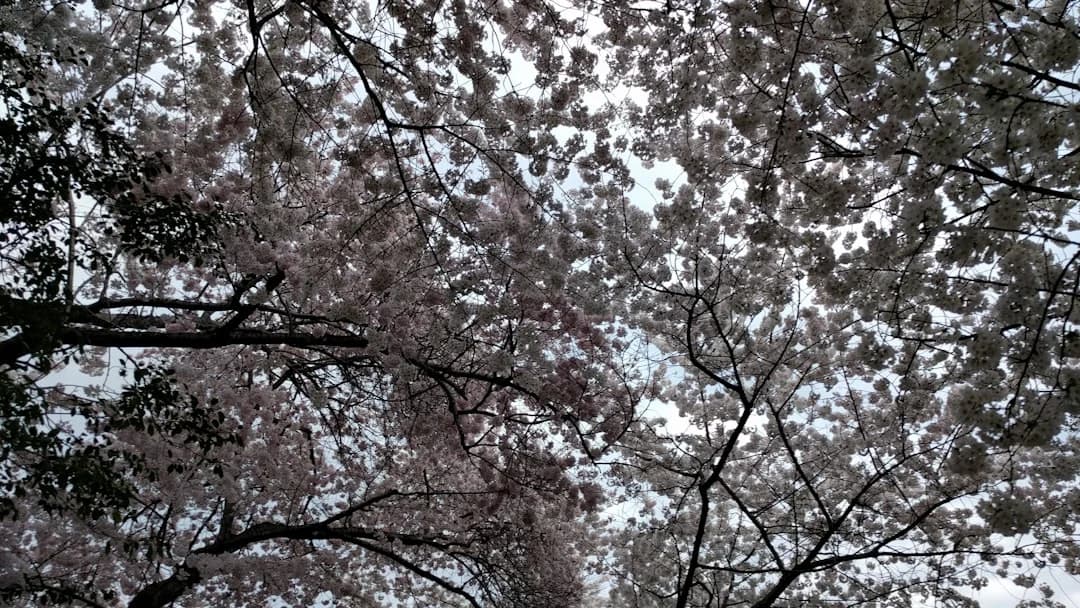
Photo by H. Kamran on Unsplash
The National Park Service released its 2026 peak bloom forecast for Washington, D.C.'s Yoshino cherry trees, signaling a late-March to early-April spectacle that will anchor the District’s cherry blossom season. The agency projects peak bloom for the Tidal Basin and National Mall to occur between March 29 and April 1, with timing contingent on weather conditions. The forecast arrives as the National Cherry Blossom Festival prepares to stage a compressed but high-impact season of cultural and community events amid ongoing questions about crowd management, transportation logistics, and how technology can optimize tourism experiences during a period of peak visitation. This DC cherry blossom season 2026 guide synthesizes the latest official projections with market and tech trends to help readers plan, participate, and evaluate the season’s broader implications for the District’s economy and innovation ecosystem. (nps.gov)
For readers of District of Columbia Times, the upcoming cherry blossom window matters beyond aesthetics. The festival itself is slated to run in the surrounding weeks, with organizers signaling a multi-week cadence that aligns with last year’s patterns and the District’s broader springtime activity. Officials and analysts expect millions of visitors across the region, underscoring the intersection of culture, commerce, and technology as local businesses, transit agencies, and digital platforms adapt to higher crowds and new safety demands. In this year’s coverage, the DC cherry blossom season 2026 guide highlights not only the bloom window but also the data-driven tools and market dynamics shaping how residents and visitors experience the season. The festival’s timing and scale are central to both tourism economics and the deployment of city services during a peak period for outdoor activity. (washingtonpost.com)
The broader context matters for stakeholders across sectors. The National Cherry Blossom Festival’s calendar has historically drawn roughly 1.6 million visitors and generated more than $200 million in revenue for city businesses in peak years, a benchmark cited by festival leadership and city officials to justify investments in infrastructure, safety, and promotions. As this year’s events unfold, data-driven monitoring of attendance, retail spend, and transit usage will be critical to measuring impact and informing future planning. The latest figures and forecasts reinforce the importance of proximity to the bloom window for hotels, restaurants, retail, and tech-enabled experience providers. (apnews.com)
Opening note: This DC cherry blossom season 2026 guide emphasizes the most newsworthy elements first, then delves into the details that readers—whether residents, visitors, or market watchers—need to know. The bloom forecast, festival schedule, and the ongoing evolution of technology-enabled tourism form the core of the story, but the analysis goes beyond dates to consider economic, logistical, and digital-innovation implications. The following sections present a structured look at what happened, why it matters, and what’s next, with a focus on data, timelines, and concrete steps readers can take to engage with the season effectively.
What Happened
Official Peak Bloom Forecast
The National Park Service’s 2026 peak bloom forecast places the apex of Washington, D.C.’s iconic cherry blossoms between March 29 and April 1, 2026, with exact timing dependent on weather patterns in the weeks ahead. The agency notes that peak bloom is a weather-driven event, and daily updates may shift the window as temperatures, precipitation, and wind conditions evolve. This forecast is part of a long-running effort to help visitors plan trips and to guide city agencies in ramping up safety, transportation, and public amenities around the blossom period. > “Peak bloom is projected to occur between March 29 – April 1, with exact timing dependent on weather conditions.” (nps.gov)
Leaders at the NPS also emphasized that bloom projections are refined as spring progresses, and travelers should monitor Bloom Watch for real-time updates. Bloom Watch provides historical context, day-by-day projections, and links to official park updates, which are essential for synchronization with public transit schedules and event timetables. For readers analyzing the season, this forecast is the anchor date range around which most events and travel planning revolve. (nps.gov)
Festival Dates and Key Milestones
The official context for the cherry blossom season extends beyond a single bloom window. The National Cherry Blossom Festival is scheduled in the spring—an umbrella of cultural programming, family activities, and community events that runs across multiple weeks. In 2026, the festival is anticipated to align with the bloom window described above, with events commencing in late March and continuing into mid-April. Various outlets have reported festival spans approximately from March 20 to mid-April, with key events concentrated in the final two weeks of the period. Event calendars and venue schedules are subject to change, so readers should track official channels for the most current information. (apnews.com)
Specific milestone events—such as the Parade, Blossom Kite Festival, and night-time illuminations—are widely publicized by the festival organizers and Downtown DC partners. For example, the National Cherry Blossom Festival Parade—an annual centerpiece—was scheduled for April 11, 2026, with broadcast and viewing options for audiences across the region. The parade and associated activities illustrate how technology, media partnerships, and city services converge to accommodate a surge in spectators and participants. Readers planning travel or local attendance should note these dates as critical anchors in their itineraries. (downtowndc.org)
The festival’s broader schedule reflects a mix of cultural programming and family-friendly experiences, including special exhibits, outdoor concerts, and public-art collaborations. While some outlets publish provisional calendars, the most reliable source remains the official festival site and partner agencies, which publish updates as event logistics firm up. As a result, this section consolidates the latest confirmed dates and the expected timeline, while flagging the need for ongoing verification as the season unfolds. (nationalcherryblossomfestival.org)
Early Event Highlights and Technical Considerations
Tech-enabled engagement is increasingly central to the DC cherry blossom season. Event-day apps, bloom dashboards, and social-media streams help crowds navigate peak times, locate restrooms and food vendors, and access safety updates. Early indicators suggest that organizers will lean on Bloom Watch data, city transit analytics, and digital signage to manage crowd flow and minimize bottlenecks near the Tidal Basin and National Mall. Journalistic coverage of the 2026 season has already highlighted a blend of traditional outdoor events with modern data-driven planning, signaling a continued shift toward tech-enabled event management in DC’s spring calendar. (nps.gov)
In practical terms for readers, the bloom window around March 29–April 1 will guide decisions about reservations, hotel stays, and day-of scheduling. Media reports and forecast pages indicate that the bloom window can influence hotel occupancy patterns, ride-hailing demand, and restaurant traffic, all of which are increasingly tracked through digital platforms to optimize capacity. Industry observers note that the season’s economics will continue to hinge on the combination of weather, promotional intensity, and how well tech tools can distribute demand over several weeks rather than concentrating it in a few peak days. (washingtonpost.com)
Additionally, transportation and safety planning will remain a priority. The District’s public-safety calendar and emergency-management calendars reflect ongoing coordination with agencies to prepare for large crowds during the festival period, which has become a standard backdrop for the season. Readers should watch for updates from the District’s authorities as timelines firm up, particularly around major events and parade routes. (hsema.dc.gov)
Why It Matters
Economic and Tourism Impact

The DC cherry blossom season remains a major driver of hospitality, retail, and service-sector activity in the region. In recent years, the festival has drawn millions of visitors and generated hundreds of millions in economic activity, underscoring the importance of coordinated marketing, infrastructure investment, and safety programs during the bloom window. The latest publicly reported figures from festival leadership indicate that peak years have delivered substantial footfall and revenue for local businesses, reinforcing the argument for data-driven growth and careful public-private collaboration during the 2026 season. (apnews.com)
From a market-analysis perspective, the 2026 season offers a unique lens on how DC-based tech platforms—tourism apps, mapping services, and social-media analytics—are integrated into event planning and city operations. The bloom window’s precision (late March to early April) interacts with a broader spring tourism cycle that includes cultural venues, museums, and outdoor recreation. As readers examine the season’s trajectory, the integration of bloom forecasts with real-time transit data, hotel occupancy signals, and consumer spend metrics will be a focal point for market watchers seeking to understand how DC’s spring-time economy adapts to a concentrated period of outdoor activity. (nps.gov)
Tech and Market Trends Shaping Cherry Blossom Season
Technology continues to reshape how visitors experience the DC cherry blossom season. Bloom-watch dashboards, mobile guides, and location-based services help travelers time their visits to peak bloom and avoid overcrowded corridors. The NPS Bloom Watch page explicitly tracks bloom progression, providing historical context and day-by-day projections that feed into travel decisions and safety planning. For readers following technology and market trends, this year’s season demonstrates a mature ecosystem where data-informed planning, digital event promotion, and crowd-management tools intersect with traditional cultural programming. (nps.gov)
Beyond bloom forecasts, the festival’s economic footprint is shaped by digital marketing, online ticketing, and on-demand content distribution. As cities compete for visitors during a period of high seasonal demand, DC’s case offers a microcosm of how smart-city strategies—including traffic forecasting, sensor networks, and mobile commerce—are enabling more efficient, safer, and more enjoyable experiences for large-scale public events. Observers can look to early 2026 reporting on attendance patterns, retail spend, and transit ridership to gauge the pace of tech-enabled optimization across the spring season. (apnews.com)
Equity, Accessibility, and Public-Private Partnerships
As with any major public event, equity and accessibility considerations are integral to planning. The District’s transportation and safety agencies, together with the National Park Service and festival organizers, coordinate to ensure that accommodations extend to diverse neighborhoods and to visitors with varying accessibility needs. The 2026 calendar and safety advisories reflect ongoing collaboration with city departments and external partners, including venues, transit operators, and event management firms. Readers should monitor official communications for accessibility updates, parking guidance, and transitoptions designed to reduce friction for all attendees. (hsema.dc.gov)
What’s Next
Upcoming Milestones and Watchpoints
As the DC cherry blossom season 2026 unfolds, several milestones will shape the reader’s planning and the market’s response. The National Park Service will continue to issue Bloom Watch updates as weather conditions evolve, refining the projection window and offering critical guidance for visitors, operators, and media. Given the weather’s pivotal role in bloom timing, expect adjustments to the window if temperatures swing dramatically in late March or early April. Readers should bookmark and monitor official Bloom Watch feeds and park updates for the latest guidance. (nps.gov)
Key event milestones to track include:
- Parade and large-scale festival events, with scheduled dates such as the national parade on April 11, 2026, which will influence transportation planning and crowd management in central DC. (downtowndc.org)
- The Blossom Kite Festival and other family-friendly activities that historically occur around peak bloom weeks and are promoted through multiple channels, including TV, radio, and digital content partnerships. Readers should verify exact dates through the official festival calendar as firm confirmations become available. (nbcwashington.com)
- Nighttime light displays and special exhibitions that may be toggled in response to crowd density, public-safety considerations, and weather. These programs are often announced closer to the season and adjusted as required by safety protocols. (nationalcherryblossomfestival.org)
From a technology and market-forecasting perspective, the period leading up to peak bloom will be of particular interest to travel-tech platforms, hospitality analytics firms, and city-planning teams. The convergence of bloom forecasts, occupancy data, and dynamic pricing signals will provide a real-time data quilt that helps businesses optimize capacity, pricing, and promotions while maintaining accessibility and safety for all visitors. Analysts will be watching whether digital channels translate into higher per-visitor spend and whether the festival’s digital ecosystems can better distribute demand across days and venues. (nps.gov)
Timeline and Next Steps for Readers
- Late March 2026: Bloom Watch updates tighten the peak bloom window; travelers should confirm exact bloom conditions and plan flexible itineraries. Official updates from NPS and partner outlets will drive last-minute scheduling. (nps.gov)
- March 20–April 13, 2026: National Cherry Blossom Festival programming runs, with multiple cultural and community events across DC. Readers should align event calendars with bloom progress, transportation advisories, and family-friendly activities for an optimized visit. (apnews.com)
- April 11, 2026: National Cherry Blossom Festival Parade presents a marquee opportunity for viewing and media coverage, with potential traffic and transit implications in downtown DC. Plan around parade routes and alternative transportation options. (downtowndc.org)
- Throughout the season: Hotels, restaurants, and local attractions will publish promos tied to the bloom window; technology-driven platforms will offer real-time recommendations, crowd-sourcing insights, and personalized itineraries. Observers should track official channels for updated schedules and safety advisories. (washingtonpost.com)
What comes next for DC’s tech and market ecosystems is the continued integration of real-time data feeds, predictive analytics, and consumer experience design into the season’s planning and execution. The 2026 forecast provides a baseline, but the true test will be how swiftly city services, private-sector partners, and public communications translate forecast accuracy into smooth, accessible, and equitable experiences for residents and visitors alike. The evidence so far points to a season where data and culture converge to produce a more resilient, tech-enabled approach to a beloved civic celebration. (nps.gov)
Closing
As Washington, D.C., moves toward the late-March peak bloom window, readers should stay tuned to official Bloom Watch updates, festival schedules, and city advisories to navigate the season effectively. The DC cherry blossom season 2026 guide aims to provide a clear, data-driven view of what to expect, when to plan, and how technology and market dynamics will shape the experience. Whether you’re a resident mapping commute patterns, a business leader adjusting marketing mix, or a visitor coordinating a once-in-a-season trip, the bloom window is a time to lean on precise forecasts, trusted sources, and flexible planning.

To stay updated, rely on official sources:
- National Park Service Bloom Watch and bloom progress reports. (nps.gov)
- National Cherry Blossom Festival official communications and event calendars. (nationalcherryblossomfestival.org)
- Local media coverage outlining key dates, safety advisories, and travel tips as the season approaches. (washingtonpost.com)
This coverage reflects a professional, data-driven approach to understanding and navigating the DC cherry blossom season 2026, with an emphasis on how technology and market trends intersect with public events to shape outcomes for readers and the broader District economy.