DC cherry blossom season 2026: Peak bloom outlook and events
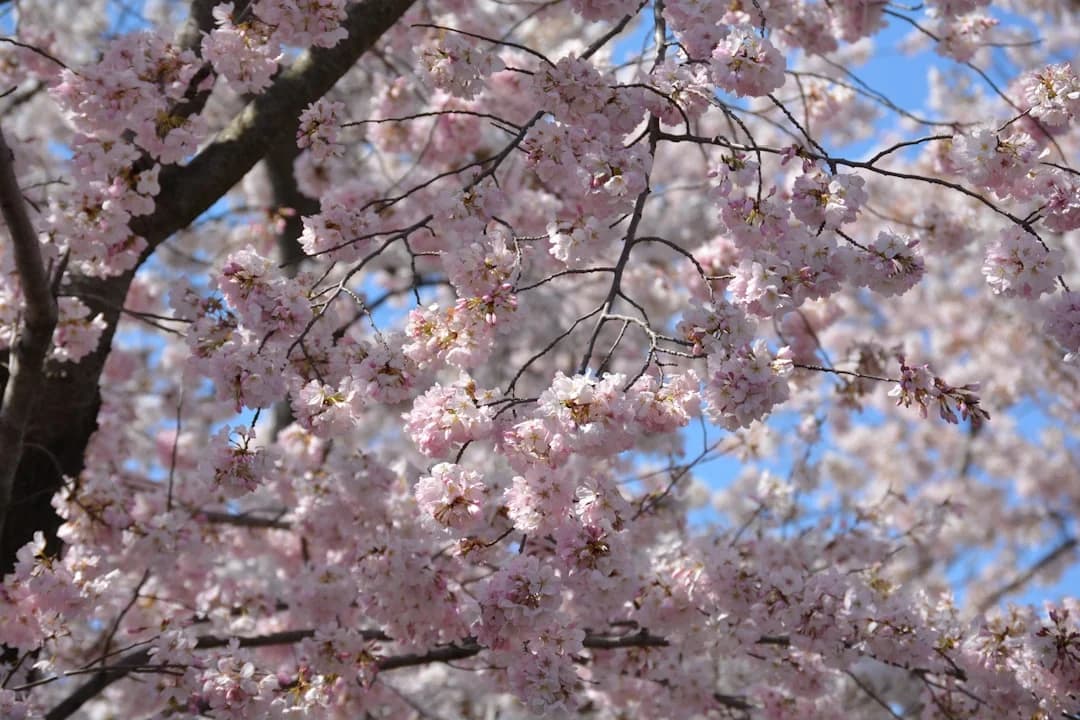
Photo by Amit Godase on Unsplash
The National Cherry Blossom Festival has released the official dates for DC cherry blossom season 2026, setting March 20 through April 12, 2026 as the four-week window for the year’s celebration in Washington, DC. This schedule aligns with the broader springtime programming shared by city partners and festival organizers, and it comes amid broader national milestones as America gears up for its 250th anniversary in 2026. The District of Columbia Times is prioritizing a data-driven, factual approach to cover what these dates mean for residents, visitors, and the technology-driven ecosystem surrounding the season. March 20 to April 12, 2026 is the backbone of the season, shaping hotel occupancy, transit demand, and local commerce across the DC metropolitan area. (nationalcherryblossomfestival.org)
Beyond the calendar, the festival has woven digital tools into the core experience. Bloom Watch and Bloom Cam provide live, real-time views of the cherry trees along the Tidal Basin, enabling remote observers and in-town visitors to gauge bloom progress without being physically present. The festival’s Bloom Cam is a centerpiece of this year’s tech-enabled viewing strategy, with Bloom Watch offering ongoing updates as the trees move through their four-week display window. These tools reflect a growing trend in how major cultural events blend tourism, urban analytics, and consumer technology to manage crowds and enhance access. (nationalcherryblossomfestival.org)
Forecasts for peak bloom—defined as when 70% of Yoshino cherry blossoms open—remain inherently probabilistic and weather-driven. Historical context shows peaks can cluster in late March to early April, but exact timing shifts with temperature swings. For reference, early-year reporting on DC’s cherry blossoms has highlighted that peak bloom is typically predicted within a window rather than pinned to a single date, and the 2025 forecast placed peak bloom around March 28–31, with the actual timing influenced by March weather patterns. While 2026 forecasts will converge as spring approaches, readers should expect updates from the National Park Service and festival organizers as conditions unfold. This forecast methodology—70% bloom triggering peak status—continues to be the benchmark used by NPS and widely reported in major outlets. (washingtonpost.com)
The 2024–2025 season offers a useful baseline for planning and context. The Associated Press reported that the festival drew roughly 1.6 million visitors in 2024 and generated more than $200 million in revenue for local businesses, underscoring the season’s significance to the regional economy. In 2025, industry watchers anticipated a robust season as well, with festival programming spanning late March through mid-April. These figures help anchor expectations for 2026 and illustrate why data-driven analysis of bloom timing, crowd management, and venue utilization matters to policymakers, businesses, and residents alike. (apnews.com)
Section 1: What Happened
Festival Dates Announced
The centerpiece development for DC cherry blossom season 2026 is the official scheduling of the four-week festival, running March 20–April 12, 2026. This timing is published by the National Cherry Blossom Festival and is echoed by major tourism and events platforms in the region. The festival’s date window is the anchor for planning, with the broader season extending into Maryland and Virginia communities as part of a regional bloom-viewing ecosystem. For readers planning trips or local activities, the fixed window provides a reliable frame for lodging, transportation, and event participation. (nationalcherryblossomfestival.org)
Key Events Confirmed
During the 2026 DC cherry blossom season, several signature events are in the spotlight, continuing the tradition that has attracted visitors for decades. The festival calendar features:
- Opening Ceremony, a formal kickoff featuring performances connected to U.S.–Japan friendship and springtime cultural exchange.
- Blossom Kite Festival, an iconic family-friendly day at the National Mall featuring kite demonstrations and community participation.
- Petalpalooza at Navy Yard, a multi-arts celebration with music and activities along the waterfront.
- National Cherry Blossom Festival Parade along Constitution Avenue, a marquee event drawing large crowds. These events are publicly listed by the festival’s organizers and are designed to provide a coherent, high-profile sequence of activities across the peak bloom window. As in prior years, the festival complements these headline moments with smaller, neighborhood-scale programs and cross-promotions with local partners. The festival’s official site highlights these events within the 2026 program lineup, confirming the expected rhythm of activities for DC cherry blossom season 2026. (nationalcherryblossomfestival.org)
Bloom Watch and Digital Tools for Visitors
Technology users, planners, and the curious can monitor bloom progress through Bloom Watch, which sits alongside a live Bloom Cam experience. The Bloom Cam provides 24/7 real-time views of the Tidal Basin cherry trees, and Bloom Watch aggregates bloom-stage updates to help visitors time a trip or a photo moment with higher confidence. The festival’s Plan Your Visit section explicitly recommends leveraging Bloom Watch and related digital tools as part of a modern viewing strategy. This approach reflects a broader trend of integrating city analytics with cultural events to manage crowds, optimize safety, and improve visitor experience. DC cherry blossom season 2026 thus blends traditional viewing with modern data-informed planning. (nationalcherryblossomfestival.org)
Peak Bloom Forecast and Uncertainty
Forecasting peak bloom remains a weather-driven exercise. National Park Service guidance defines peak bloom as the moment when 70% of Yoshino blossoms are open, and forecasts typically present a window rather than a fixed date. In 2025, multiple outlets reported a peak bloom window of late March (commonly March 28–31) based on the evolving weather pattern heading into the festival. The same logic applies to 2026: meteorological conditions in March will shape whether the bloom hits earlier in the window or shifts toward early April. Readers should monitor official updates from the National Cherry Blossom Festival and the NPS Cherry Blossom Watch for the most reliable timings as spring approaches. (washingtonpost.com)
Geographic Footprint and Community Reach
The National Cherry Blossom Festival’s influence extends beyond the Tidal Basin into neighboring communities in Maryland and Virginia. The festival notes that its activities span Washington, DC, and surrounding regions, embracing a broader metro-area bloom-viewing experience. This expansion reflects a regional strategy to accommodate growing interest while optimizing transportation and hospitality capacity. In 2026, travelers will find bloom-related programming not only along the Tidal Basin but also in suburbs and adjacent city neighborhoods that host related events and viewing opportunities. (nationalcherryblossomfestival.org)
Section 2: Why It Matters
Economic Significance for DC and the Region
DC cherry blossom season is more than a picturesque moment in spring; it is a significant economic activity that shapes tourism, hospitality, dining, and retail. Historical data show that peak bloom periods can attract millions of visitors and contribute hundreds of millions of dollars to the local economy. The 2024 figures cited by AP News—about 1.6 million visitors and more than $200 million in revenue—illustrate the scale of the season’s impact and explain why city leadership and local businesses treat this period with heightened strategic importance. As DC marks 2026, the festival’s timing and crowd patterns will continue to influence hotel occupancy, transportation demand, and commercial activity across the region. (apnews.com)
Technology’s Role in the Experience
The DC cherry blossom season 2026 demonstrates a growing consolidation of culture, tourism, and technology. Bloom Watch and Bloom Cam exemplify how digital tools are used to optimize visitor experience and city operations during a peak period. These tools enable remote audiences to engage with the season and help in crowd forecasting, transit planning, and event positioning. The festival’s emphasis on real-time bloom monitoring and live-streamed content aligns with broader smart-city and data-enabled event strategies seen in major metropolitan events across the United States. For stakeholders—hotels, tour operators, and local merchants—these digital capabilities provide new data signals and marketing channels to attract visitors outside traditional peak hours. (nationalcherryblossomfestival.org)
Planning, Resilience, and Infrastructure
Major events like DC cherry blossom season 2026 put pressure on urban infrastructure but also spur resilience initiatives. The 2025 reporting around the Tidal Basin renovation—part of a three-year seawall restoration project—highlighted how maintenance work can affect viewing access and visitor flow. While the core bloom window remains the driver of activity, planners are incorporating construction schedules, access changes, and alternative viewing routes into outreach and operations. This context matters for residents who navigate crowds, for businesses adjusting to seasonal demand, and for policymakers looking to balance preservation with public access. (washingtonpost.com)
Cultural and Geopolitical Significance
The DC cherry blossom season sits at an intersection of culture, diplomacy, and national history. The National Cherry Blossom Festival serves as a long-standing symbol of U.S.–Japan friendship, rooted in a 1912 gift of cherry trees from Tokyo. In 2026, the festival will continue to celebrate that heritage while aligning with broader national milestones, including America’s 250th anniversary. This convergence offers a unique lens on how cultural events can support urban branding, international ties, and local identity during a milestone year. The festival’s own materials underscore this theme with references to the official artwork, international partnerships, and cross-cultural programming that accompany the season. (nationalcherryblossomfestival.org)
Public-Private Partnerships and Market Signals
As in prior years, DC cherry blossom season 2026 is supported by a broad mix of public agencies, private sponsors, and community organizations. The festival’s “Plan your Visit” ecosystem—covering Bloom Watch, transportation guides, and partner hotel programs—reflects a mature model of collaboration to manage seasonal surges in demand. This collaborative approach is a signal to the market that the DC region continues to invest in events-based economic activity, data-driven visitor services, and sustainable tourism infrastructure. The festival’s ability to coordinate city-wide programming with private sector support is an important signal for marketers and policymakers tracking the health of the region’s event economy. (nationalcherryblossomfestival.org)
Section 3: What’s Next
What to Watch in the Weeks Ahead
As spring approaches, the most critical data points for DC cherry blossom season 2026 will come from bloom forecasts and live updates. National Park Service communications will provide official window estimates, with updates typically issued as March weather evolves. The Bloom Watch and Bloom Cam remain central to the public-facing experience, offering continuous visibility into bloom progression and helping travelers time their visits to maximize viewing quality. Fans and planners should monitor these official channels as the season nears. In addition, local media coverage and festival press materials will translate forecast data into practical guidance on event schedules, ticketing, and crowd-management advisories. (nationalcherryblossomfestival.org)
Travel Planning and Practical Guidance for DC Cherry Blossom Season 2026
For readers planning trips or local excursions, several practical considerations emerge from the intersection of bloom timing, events, and city logistics:
- Expect a festival-wide activity peak during the mid-to-late March window, with the official festival calendar guiding weekend crowds and ticketed events.
- Be prepared for variable weather in late March and early April; bring layers, waterproof gear, and comfortable footwear for long outdoor days.
- Use Metro and public transit options to navigate heavy traffic and parking constraints around the Tidal Basin and parade routes, and consider weekday visits to avoid weekend crowds.
- Leverage Bloom Watch and Bloom Cam to decide between early-morning or late-afternoon viewing windows when light is optimal for photography. These practical tips reflect a synthesis of official scheduling data, Bloom Watch tools, and field reporting from the previous season. While the precise bloom timing for 2026 remains weather-dependent, the festival’s data-enabled framework offers a structured way to plan. (nationalcherryblossomfestival.org)
The Road Ahead for Stakeholders
Looking forward, stakeholders across government, business, and civil society will be watching several data-driven indicators as the DC cherry blossom season 2026 unfolds:
- Bloom timing signals and crowd-density metrics, derived from Bloom Watch data and associated event-day planning.
- Hotel occupancy, restaurant reservations, and retail activity during the peak bloom period, benchmarked against prior years’ performances.
- Transportation utilization patterns around major event days, with potential adjustments to capacity at Metro stations near key viewing corridors.
- The alignment of festival programming with the America’s 250th anniversary initiatives, creating joint marketing opportunities and cross-promotional campaigns. These indicators will help pace investments, marketing strategies, and policy responses during the festival’s four-week window and beyond. The festival’s official updates and city data dashboards will be the primary sources for next-step planning. (washington.org)
What to Expect from the Media and Public Communication
As DC cherry blossom season 2026 progresses, local media outlets and regional tourism boards will translate bloom projections into accessible, data-backed content for residents and visitors. The coverage is likely to emphasize:
- Real-time bloom status and bloom-watch forecasts.
- Weather-driven changes to peak bloom timing and viewing conditions.
- Practical travel and safety guidance for large crowds.
- Profiles of notable viewing spots beyond the Tidal Basin, including neighborhoods across Maryland and Virginia that participate in related viewing events. This pattern aligns with the data-driven, neutral, information-rich reporting style that characterizes the District of Columbia Times and similar outlets. The integration of official festival data with journalistic analysis will help readers understand not only when to visit but also the broader implications of the season for the local economy and urban life. (nationalcherryblossomfestival.org)
Closing
DC cherry blossom season 2026 presents a carefully choreographed blend of timing, technology, and tradition. The March 20–April 12 festival window provides a reliable structure for travel, business planning, and civic programming, while Bloom Watch and Bloom Cam add a digital layer that makes bloom progression more transparent and accessible to a global audience. As with prior years, peak bloom timing remains weather-dependent, measured by the 70% open-bloom threshold set by the National Park Service, and anticipated by the National Cherry Blossom Festival through regular updates. The season’s impact on the regional economy—the 2024 benchmark of roughly 1.6 million visitors and more than $200 million in business activity—serves as a reminder of why precise, data-driven coverage is essential for residents, visitors, and policymakers alike. In the weeks ahead, readers should stay tuned to official festival channels and local reporting to track bloom progress, event schedules, and the evolving story of DC cherry blossom season 2026.
Stay updated with Bloom Watch and Bloom Cam for real-time bloom progression, and consult the National Cherry Blossom Festival’s official calendar as March approaches. The District of Columbia Times will continue to provide timely, data-backed reporting on peak bloom forecasts, festival activities, and the broader market and technology trends emerging from this iconic DC springtime milestone. (nationalcherryblossomfestival.org)