Art All Night 2026: DC's Free Citywide Arts Festival Returns
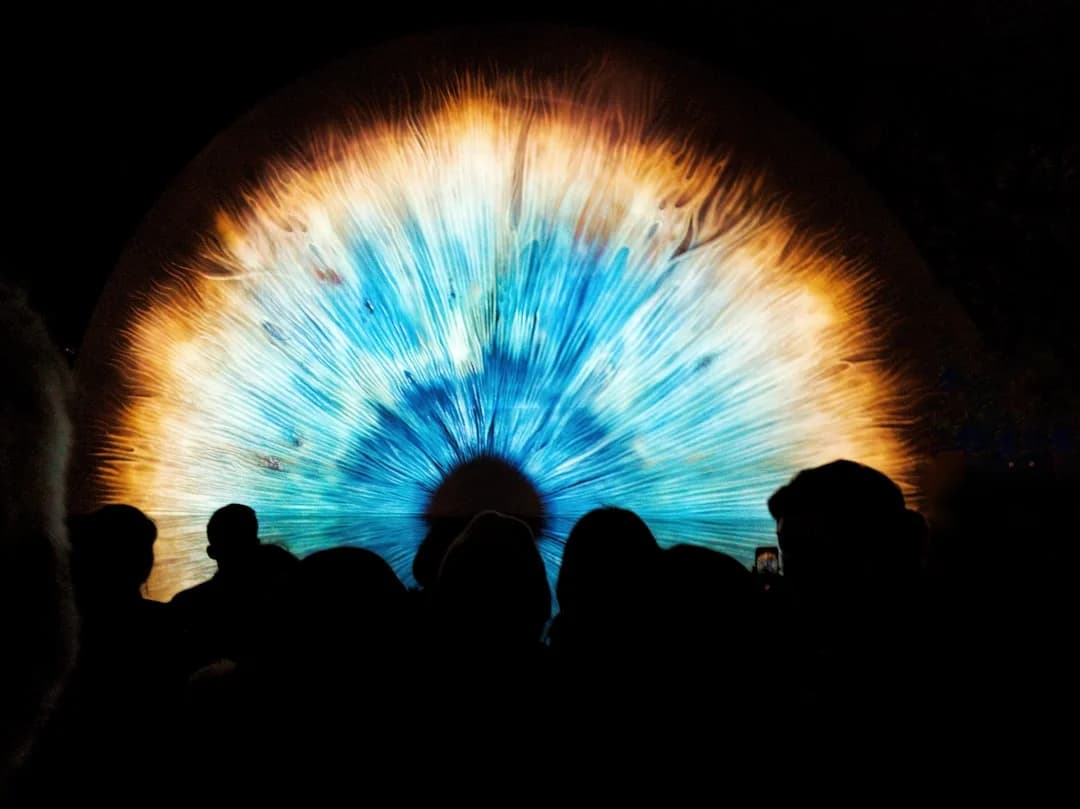
Photo by Kenny Kuo on Unsplash
Art All Night 2026 is poised to transform Washington, DC, once again into a nocturnal canvas of creativity. On March 10, 2026, the city announced that Art All Night 2026 will take place on Friday, September 11, and Saturday, September 12, delivering free, high-energy arts programming across all eight wards. The mayoral release frames the festival as a centerpiece of the District’s cultural economy, designed to spotlight local artists, makers, small businesses, and the neighborhoods that give DC its distinctive character. As with prior years, the event aims to mobilize community energy late into the night while maintaining accessibility for residents and visitors alike. The official dates and scope were presented to emphasize continuity and growth for a citywide festival that has become a touchstone of DC’s cultural calendar. (mayor.dc.gov)
The 2026 announcement builds on a record-setting 2025 edition, which drew more than 250,000 attendees and featured over 1,200 artists and performers. The festival also introduced an Art All Night mobile app, designed to help attendees explore activations, navigate events citywide, and engage with participating neighborhoods across all eight wards. The move to a two-night format—already in place since 2021—continues to be a defining feature of Art All Night, reinforcing its role as a scalable platform for urban culture and neighborhood-based economic activity. This combination of broad geographic reach, digital engagement tools, and a large, diverse roster of participants reflects both a maturing festival and a broader trend in which citywide arts events increasingly blend art, technology, and local commerce. (mayor.dc.gov)
As the District prepares for Art All Night 2026, observers will be watching not only the cultural programming but also how the festival embodies the alignment of technology with place-based art experiences. The 2026 plan continues to showcase a city-driven approach—art activations in neighborhoods across all eight wards, opportunities for local businesses, and the use of a mobile app to streamline the attendee experience. This aligns with a broader trend in urban festivals: leveraging digital platforms to manage large crowds, optimize safety and accessibility, and capture data to inform future planning and economic impact assessments. The official channels for updates remain the DSLBD and the event’s central hub, with the festival’s organizers emphasizing openness and ongoing collaboration with neighborhood partners. For updates, the city directs audiences to the DSLBD site and the official Art All Night portal. (mayor.dc.gov)
Section 1: What Happened
Announcement Details
- The official dates for Art All Night 2026 are Friday, September 11, and Saturday, September 12. This two-night festival marks the 15th year of DC’s signature arts celebration and reaffirms the city’s commitment to free, accessible cultural programming across all eight wards. The Mayor and the DC Department of Small and Local Business Development (DSLBD) announced the schedule, underscoring the festival’s role in highlighting local artists, makers, and neighborhood economies. This is a continuation of the model that has defined Art All Night since it expanded from a one-day event to a two-day celebration in 2021. (mayor.dc.gov)
Event Format and Scope
- Art All Night 2026 will once again deliver free, high-energy arts programming across the District, with activations designed to span the eight wards and connect diverse communities through art, music, performance, and related activities. The city’s press release emphasizes the festival’s nationwide appeal as a model for inclusive, citywide cultural experiences that mobilize residents and visitors into a shared, nocturnal cultural corridor. The two-night format and citywide reach are presented as core strengths of the event, enabling a broad spectrum of participants and venues to contribute to the overall experience. The 2026 plan also preserves the emphasis on neighborhood-based economic activity, aligning cultural programming with local small businesses across the district. (mayor.dc.gov)
Access and Participation
- The festival continues to rely on a digital engagement layer that helps attendees explore activations citywide. The Art All Night mobile app, introduced in prior years, remains a centerpiece for navigating events, locating activations, and engaging with participating neighborhoods across all eight wards. This technology-enabled approach supports a more organized experience for attendees while enabling organizers to coordinate a dispersed, multi-venue festival. The availability of the app underscores the festival’s commitment to accessibility and coordinated participation. (mayor.dc.gov)
Background and Growth
- Since its inception in 2011, Art All Night has evolved from a neighborhood celebration by Shaw Main Streets into a District-wide phenomenon backed by District Main Streets and community partners. The festival’s growth—evident in its expansion to two days in 2021 and the broader urban footprint of activations—illustrates a durable model for arts-led urban activation. The 2025 edition set a high bar with more than 250,000 attendees and over 1,200 artists and performers, illustrating strong demand for free, inclusive cultural experiences and the economic activity that accompanies large-scale public art events. The 2026 announcement anchors continuity with these past milestones while signaling continued expansion and innovation. Updates point readers toward the DSLBD and the official Art All Night platforms for further details. (mayor.dc.gov)
Section 2: Why It Matters
Economic and Community Impact
- Art All Night 2026 is framed not only as a cultural event but also as an economic driver for DC neighborhoods. The festival’s two-night, citywide model concentrates foot traffic in commercial corridors, supporting small businesses and local vendors while elevating the visibility of neighborhood assets. In the 2025 cycle, the festival showcased the District’s capacity to attract tens of thousands of visitors for extended periods, which underscores the event’s potential to generate incremental spending in food, retail, and hospitality sectors. The City’s emphasis on eight-ward activations reflects a deliberate strategy to distribute economic benefits more evenly across the District, rather than concentrating activity in a few traditional venues. The mayoral release highlights this “neighborhood-based economic activity” as a measurable outcome of Art All Night’s approach. (mayor.dc.gov)
Technology-Driven Engagement
- The festival’s embrace of mobile technology—most notably the Art All Night app—illustrates a broader trend in how urban festivals manage scale and improve the attendee experience. Attendees can map activations, navigate diverse programs, and interact with neighborhood participants, helping reduce confusion in a citywide, multi-venue event. This digital layer not only enhances engagement but also provides organizers with data signals about which neighborhoods and activation types drew the strongest interest. The official release highlights the app as a tool for citywide navigation and audience engagement across all eight wards, reinforcing the importance of technology in modern festival planning. (mayor.dc.gov)
Diversity, Inclusion, and Neighborhood Integration
- By design, Art All Night 2026 foregrounds a diverse mix of artists, makers, and small businesses across eight wards. The festival’s emphasis on ward-by-ward programming fosters inclusive participation and helps ensure that DC’s cultural offerings reflect the city’s demographic and creative diversity. The 2025 metrics—more than 1,200 artists and performers and a broad array of activations—underscore the scale and breadth of engagement that Art All Night attempts to achieve each year. This approach aligns with broader municipal goals around cultural equity, supporting local creative economies, and strengthening neighborhood identity through public art. (mayor.dc.gov)
Broader Context: Urban Arts Ecosystems and Market Trends
- Art All Night 2026 sits at the intersection of public art, technology, and local economic development—an area of growing interest for city planners, cultural economists, and industry observers. The event’s two-night, citywide model provides a blueprint for how large urban festivals can balance inclusivity with logistical feasibility, while the mobile app component exemplifies how digital tools extend reach and engagement. Observers in DC and comparable metro areas are paying close attention to how such festivals manage crowd flow, safety, and neighborhood partnerships, especially as residents increasingly expect free, accessible cultural experiences that also stimulate local economies. The official communications and subsequent coverage demonstrate a clear path for how technology-enabled, neighborhood-connected arts festivals can scale responsibly over time. (mayor.dc.gov)
What Readers Should Know About the 2026 Edition
- Dates and scope: Art All Night 2026 is set for September 11–12, with free programming across all eight wards, continuing the two-night format that began in 2021. This is the core news: the District has formalized the schedule and expanded the footprint to citywide participation. The mayor’s office emphasizes the festival’s role in highlighting local artists, small businesses, and neighborhood cultures. (mayor.dc.gov)
- Attendance and participation benchmarks: The 2025 edition attracted more than 250,000 attendees and featured over 1,200 artists and performers, signaling a robust base of interest and a broad creative ecosystem. These figures help frame expectations for 2026 while illustrating how Art All Night contributes to District-wide cultural participation and economic activity. (mayor.dc.gov)
- Digital engagement and accessibility: The Art All Night mobile app will continue to be a keystone for exploring activations, aligning with the city’s emphasis on accessible, technology-enabled experiences across eight wards. Attendees can expect a more navigable, map-driven festival experience, with digital tools supporting participation and discovery citywide. (mayor.dc.gov)
- Official channels for updates: For ongoing updates on Art All Night 2026, readers are directed to the DSLBD site and the official Art All Night portal, ensuring access to the latest program details, partner activations, and neighborhood guides. These channels remain essential resources for residents and visitors planning to participate. (mayor.dc.gov)
Section 3: What’s Next
Next Steps and Timelines
- March 10, 2026 marked the official announcement of Art All Night 2026’s dates, establishing the framework for planning across the eight wards and multiple neighborhoods. Readers should monitor the DSLBD site and the festival’s official portal for activation lists, maps, and neighborhood-by-neighborhood guides as they become available. The two-night format remains in place, with citywide participation across DC, confirming the festival’s commitment to broad accessibility and inclusive programming. (mayor.dc.gov)
- Ongoing coordination with neighborhood organizations: The festival is produced in partnership with District Main Streets and local community partners, whose roles include coordinating activations, managing permits, and promoting neighborhood-specific programming. Expect continued collaboration announcements as activations are confirmed and maps are released. The historical context—dating back to Shaw Main Streets’ original founding of the event in 2011—suggests that neighborhood-led activations will continue to be a central feature of Art All Night 2026. (mayor.dc.gov)
What to Watch For This Year
- App enhancements and activation maps: Given the festival’s emphasis on digital navigation, updates to the Art All Night app—such as new filters for venues, artist rosters, and real-time event statuses—are among the most anticipated developments for 2026. Attendees should expect a more streamlined discovery experience across all eight wards. (mayor.dc.gov)
- Neighborhood partnerships and small-business opportunities: As in past years, Activations are expected to leverage local storefronts, galleries, and community spaces, generating foot traffic and potential revenue for DC’s small business corridors. Observers will be looking for new partner announcements and expanded cross-ward collaboration that builds on the festival’s track record of neighborhood economic energy. (mayor.dc.gov)
- Community and press coverage: Local media coverage—ranging from city press releases to neighborhood association newsletters—will continue to shape public expectations and provide practical guidance for residents and visitors. The District’s sustained emphasis on accessibility and economic impact makes Art All Night 2026 a case study in how public sector leadership and community organizations co-create large-scale cultural events. (mayor.dc.gov)
Closing
Art All Night 2026 represents more than a weekend of performances and installations; it is a citywide experiment in inclusive culture, urban programming, and tech-enabled engagement. With dates set for September 11–12, 2026, the District’s commitment to a free, accessible, and diverse arts festival remains clear. The festival’s organizers underscore the role of neighborhood participation, local businesses, and a robust digital toolkit to connect residents with a shared, citywide experience. For readers seeking the latest developments, the DSLBD and the Art All Night site will be the primary sources for schedules, maps, and activation rosters as the festival draws closer. As DC readies for Art All Night 2026, the city’s data-driven approach to cultural programming—grounded in past performance and future-ready technologies—offers a blueprint for how urban arts economies can scale while preserving local character and accessibility. Stay tuned to official channels for the most current updates on activations, neighborhoods, and program details. (mayor.dc.gov)